
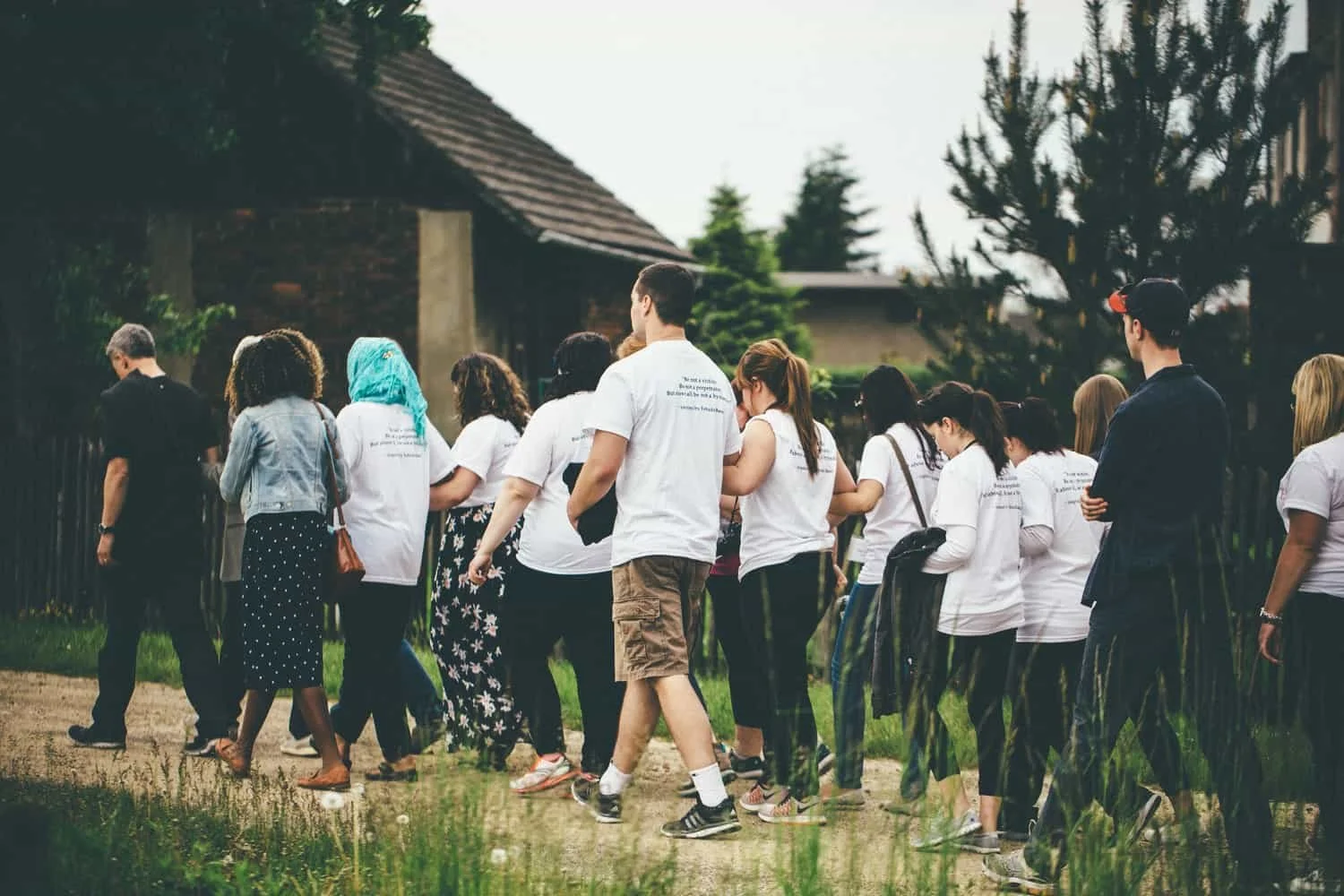

The March of Remembrance and Hope (MRH) is a Holocaust education program for university and college students from diverse religious, cultural, and ethnic backgrounds. Founded in 2001 by Dr. David Machlis of the United States and Eli Rubenstein and Carla Wittes of Canada, the program focuses on teaching the history of the Holocaust and other genocides through experiential learning in Germany and Poland. The program is intended to foster awareness of intolerance and discrimination and to encourage dialogue among students from different communities. To learn more about the current program, click HERE.
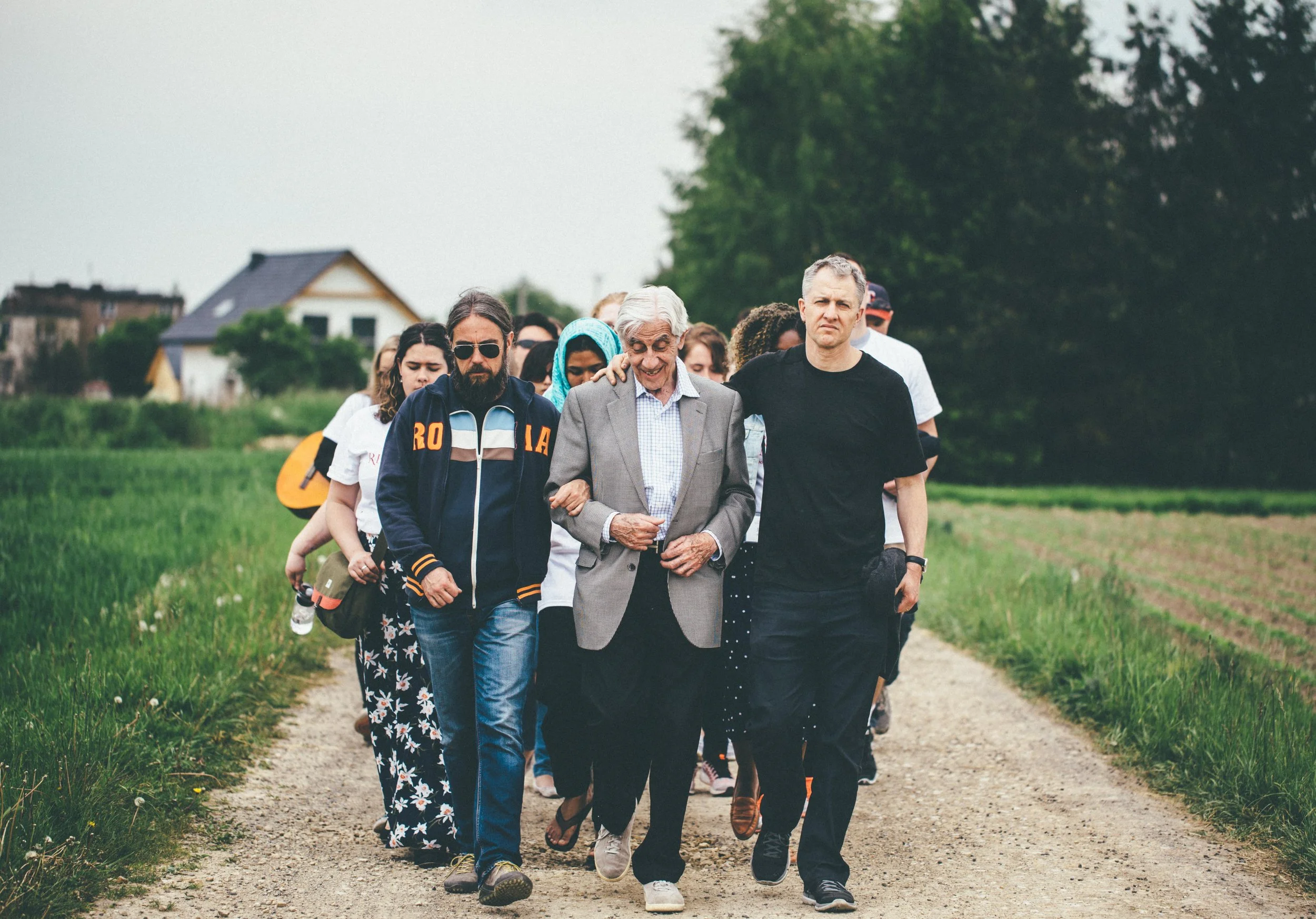
Canadian Holocaust survivor, Elly Gotz OC shares his experience with university students on the March of
Remembrance and Hope (2016)




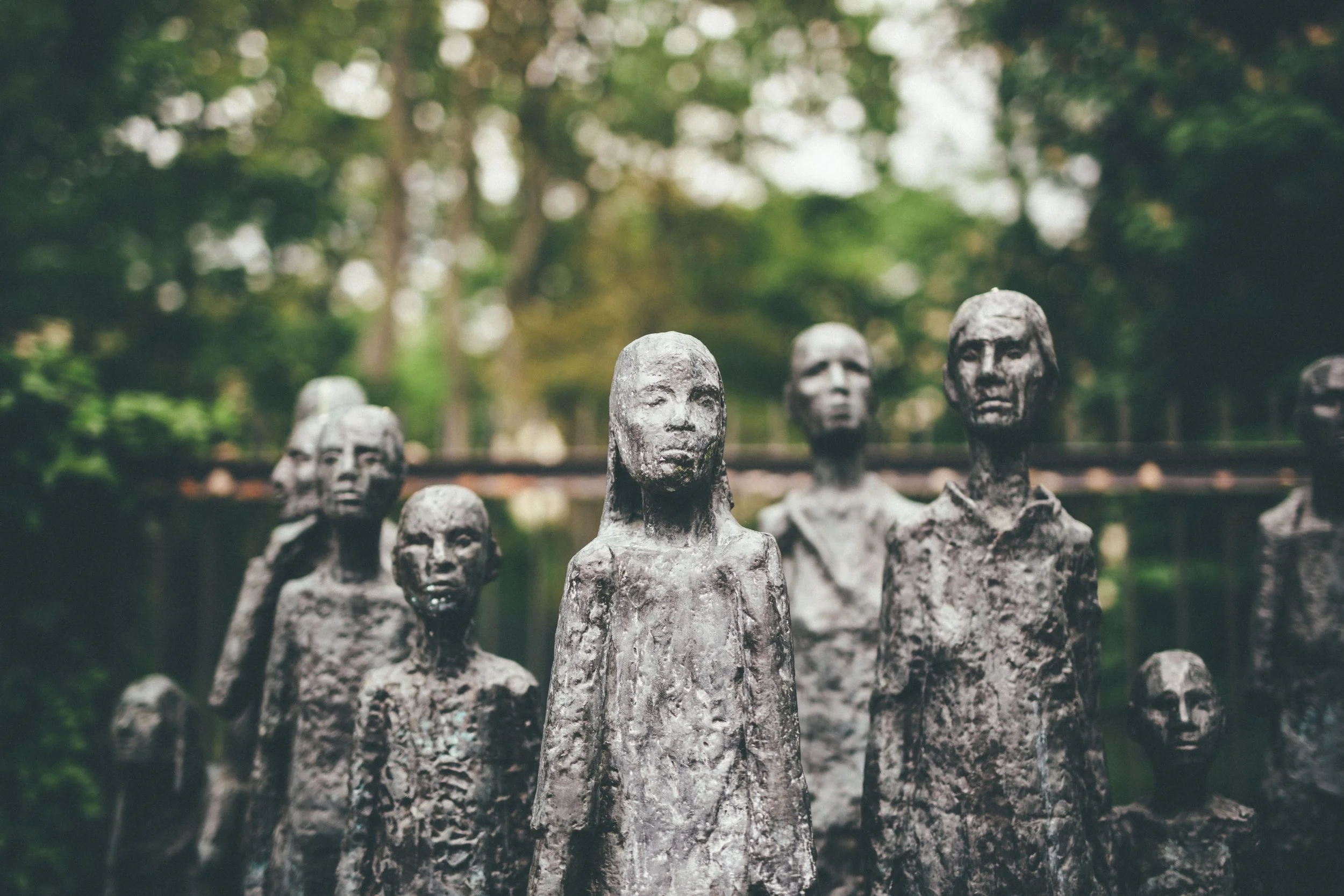
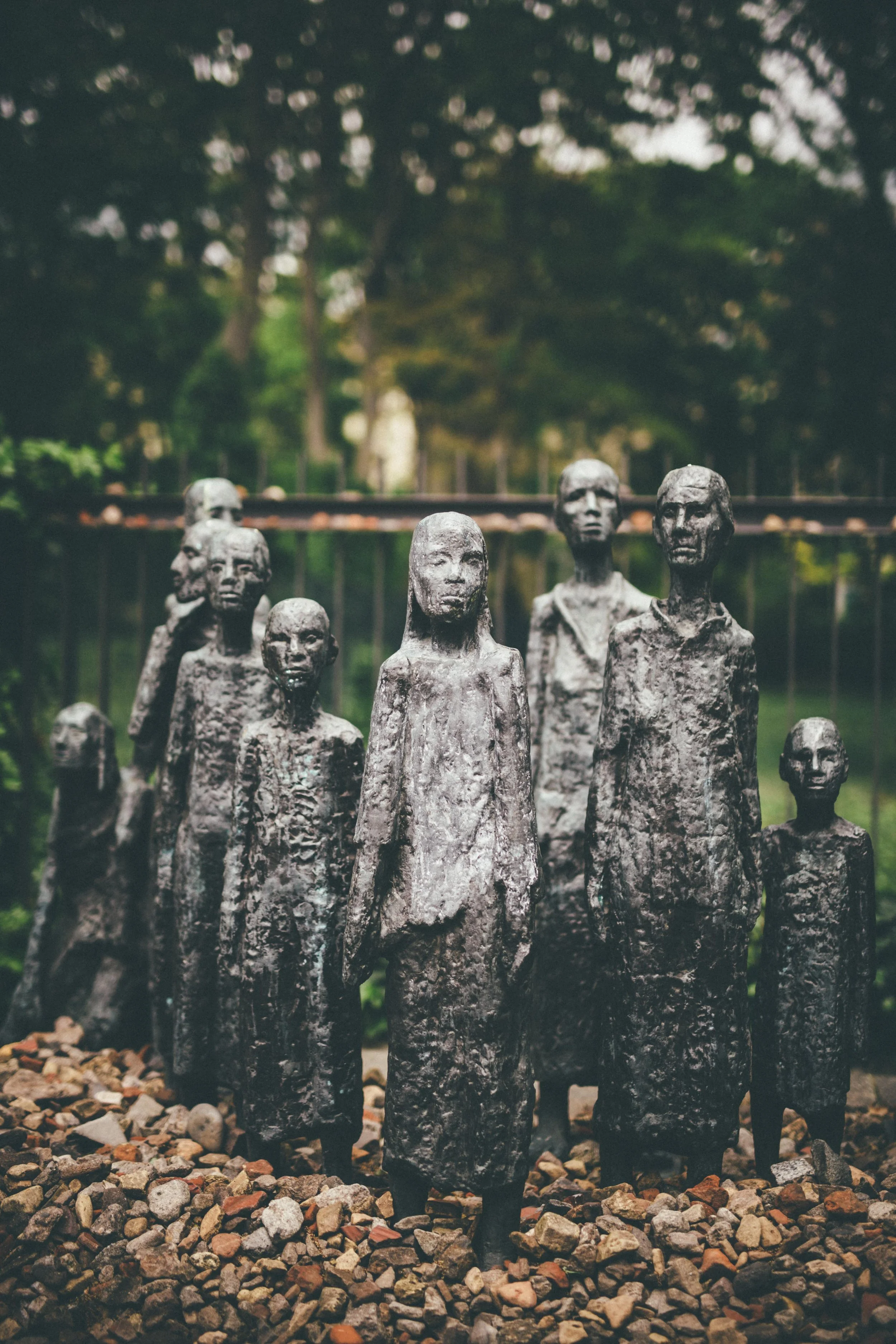
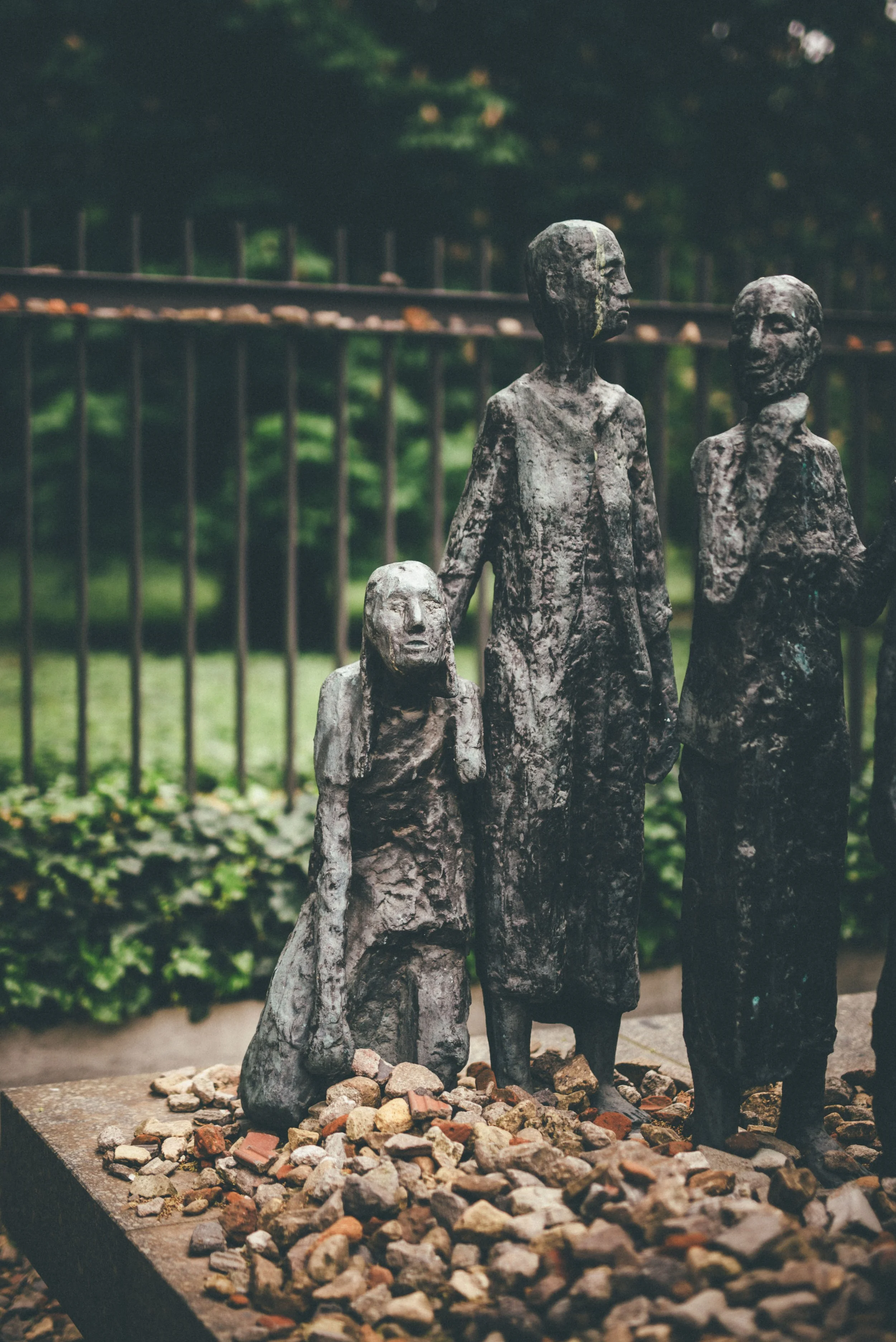
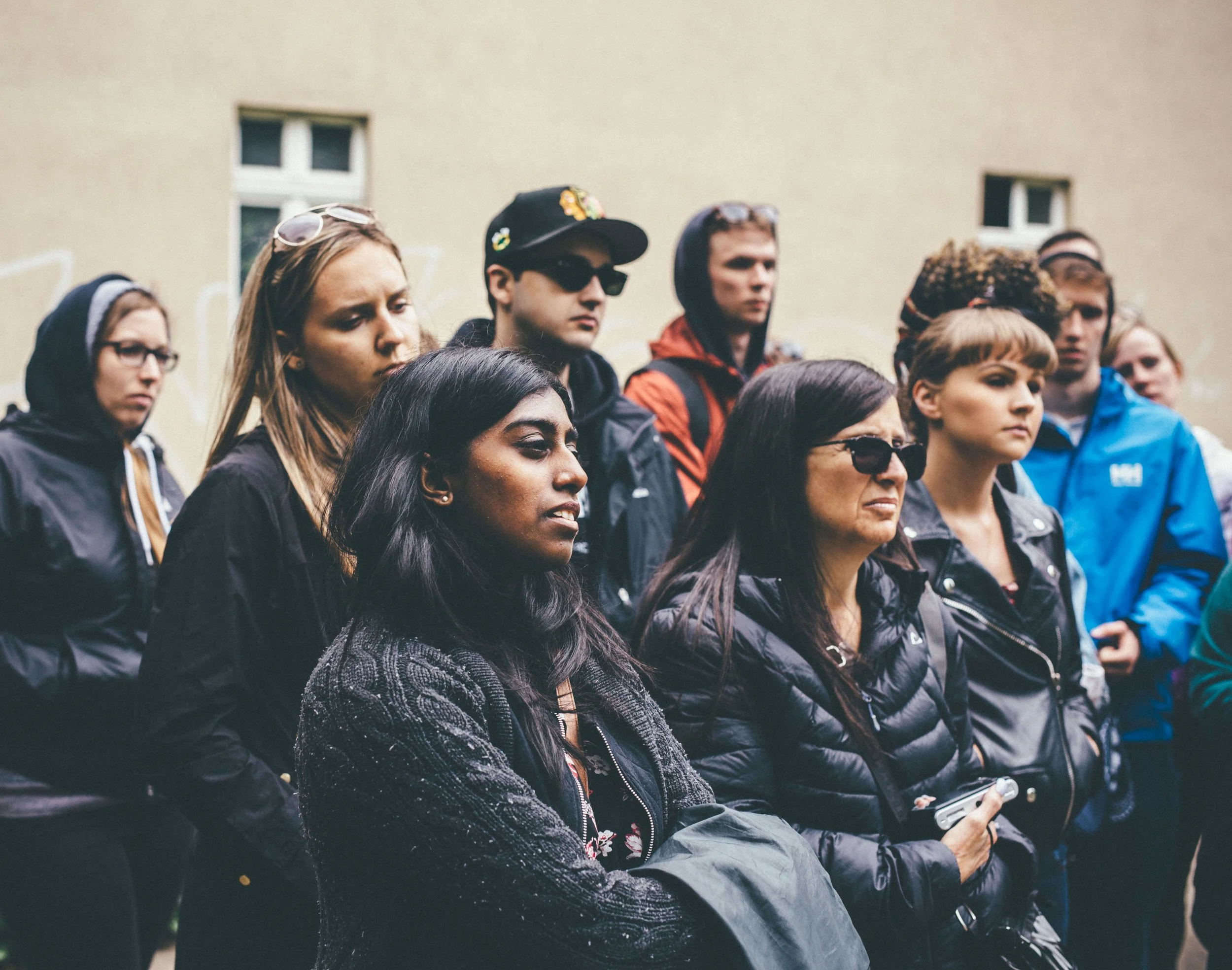
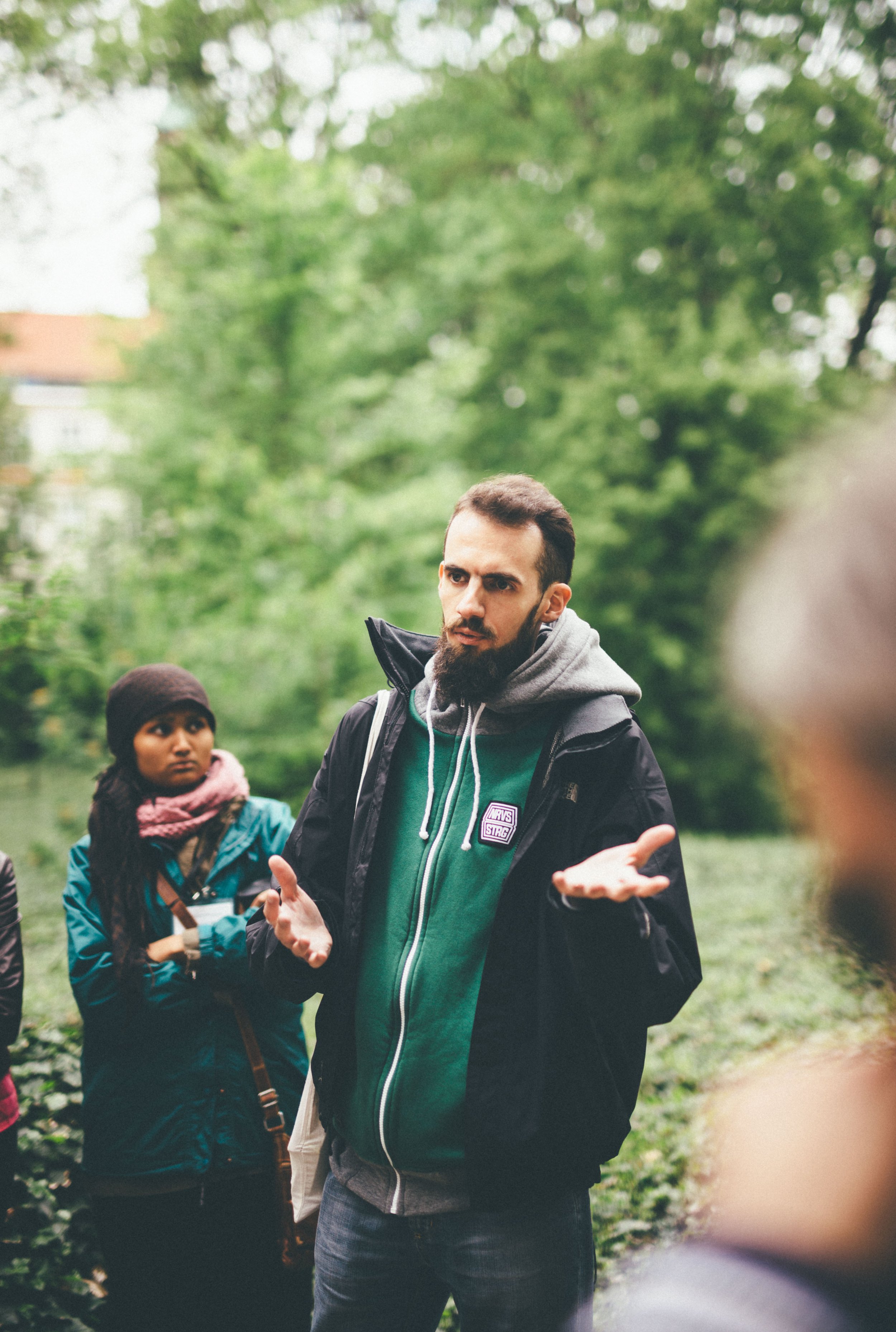



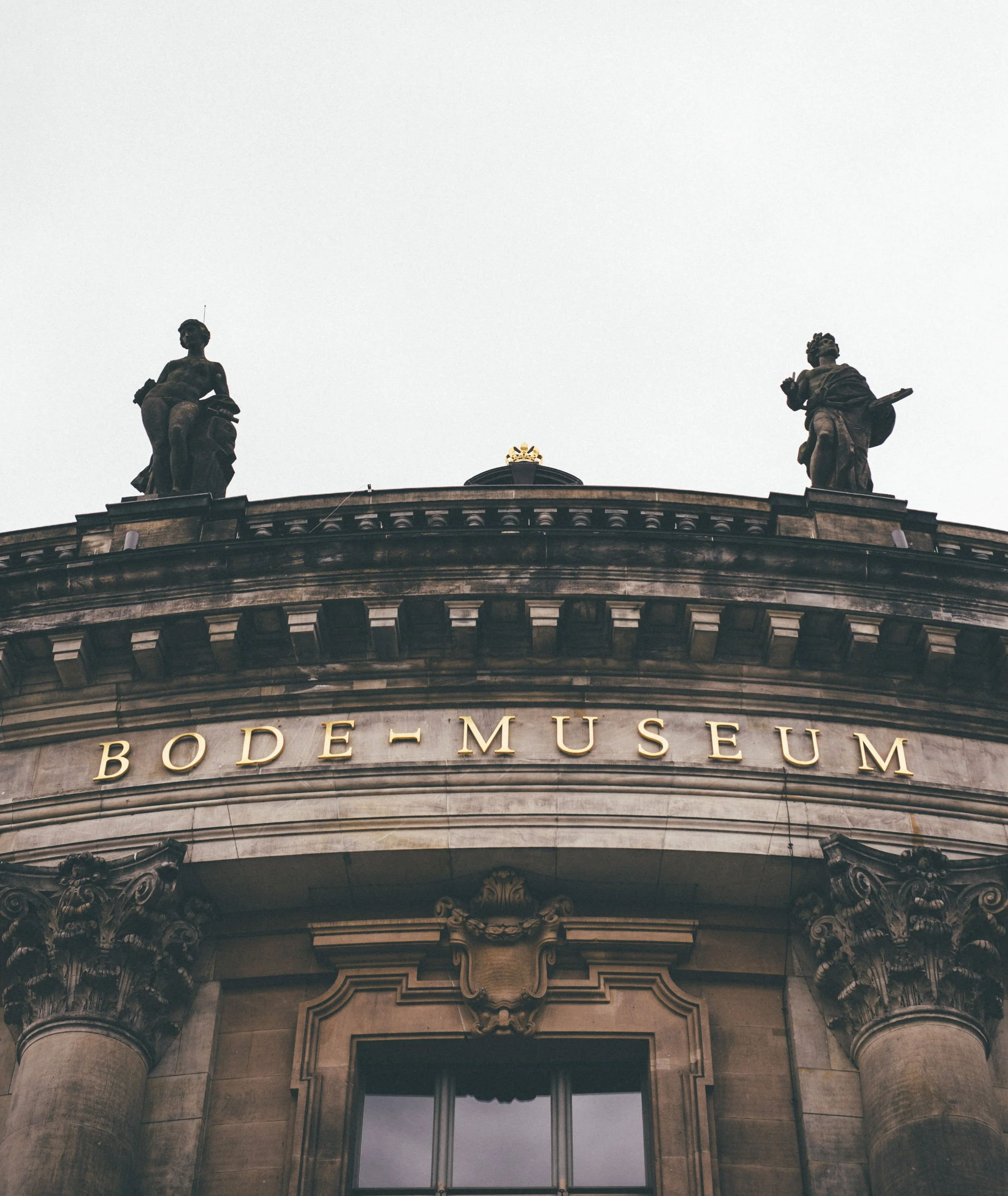


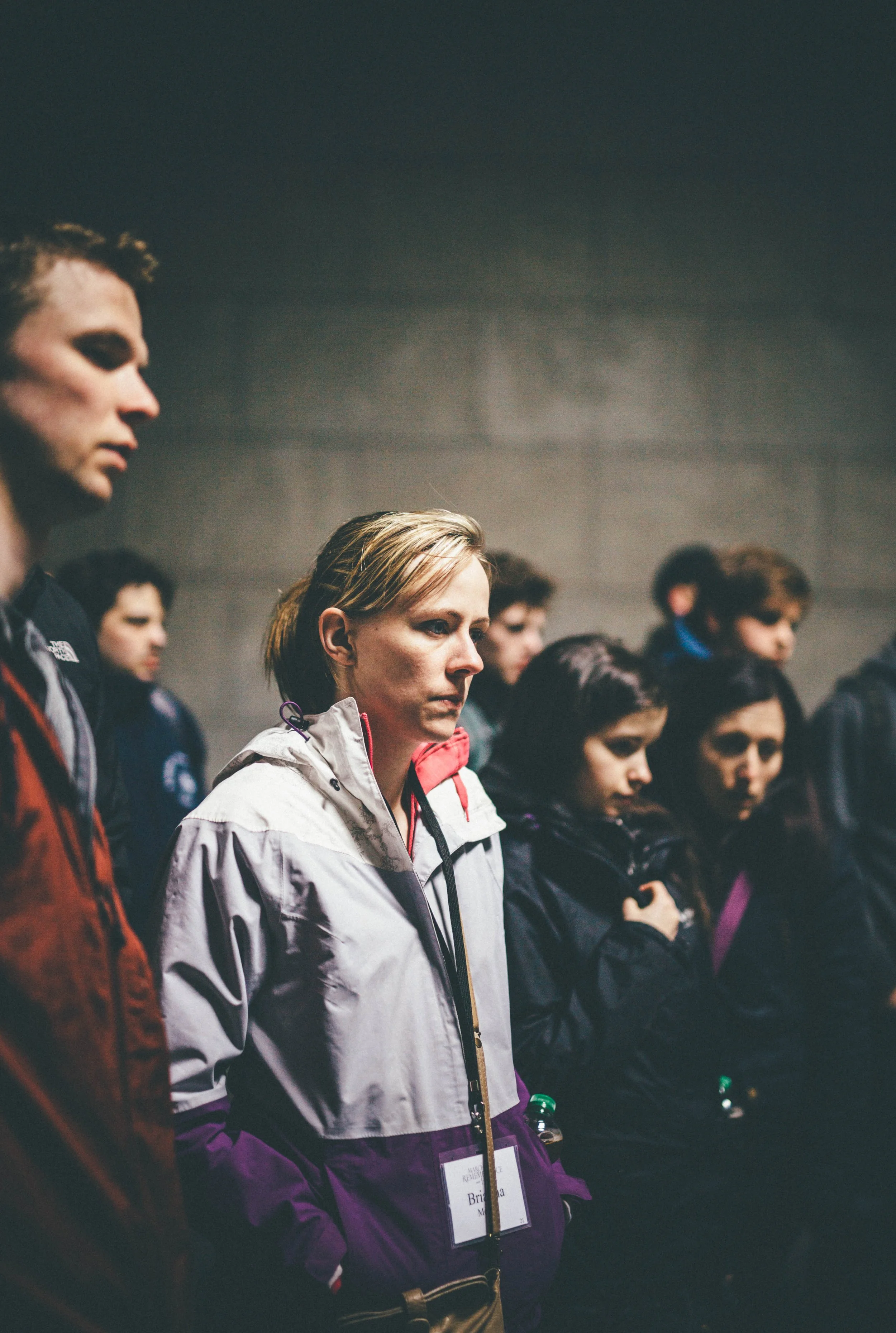




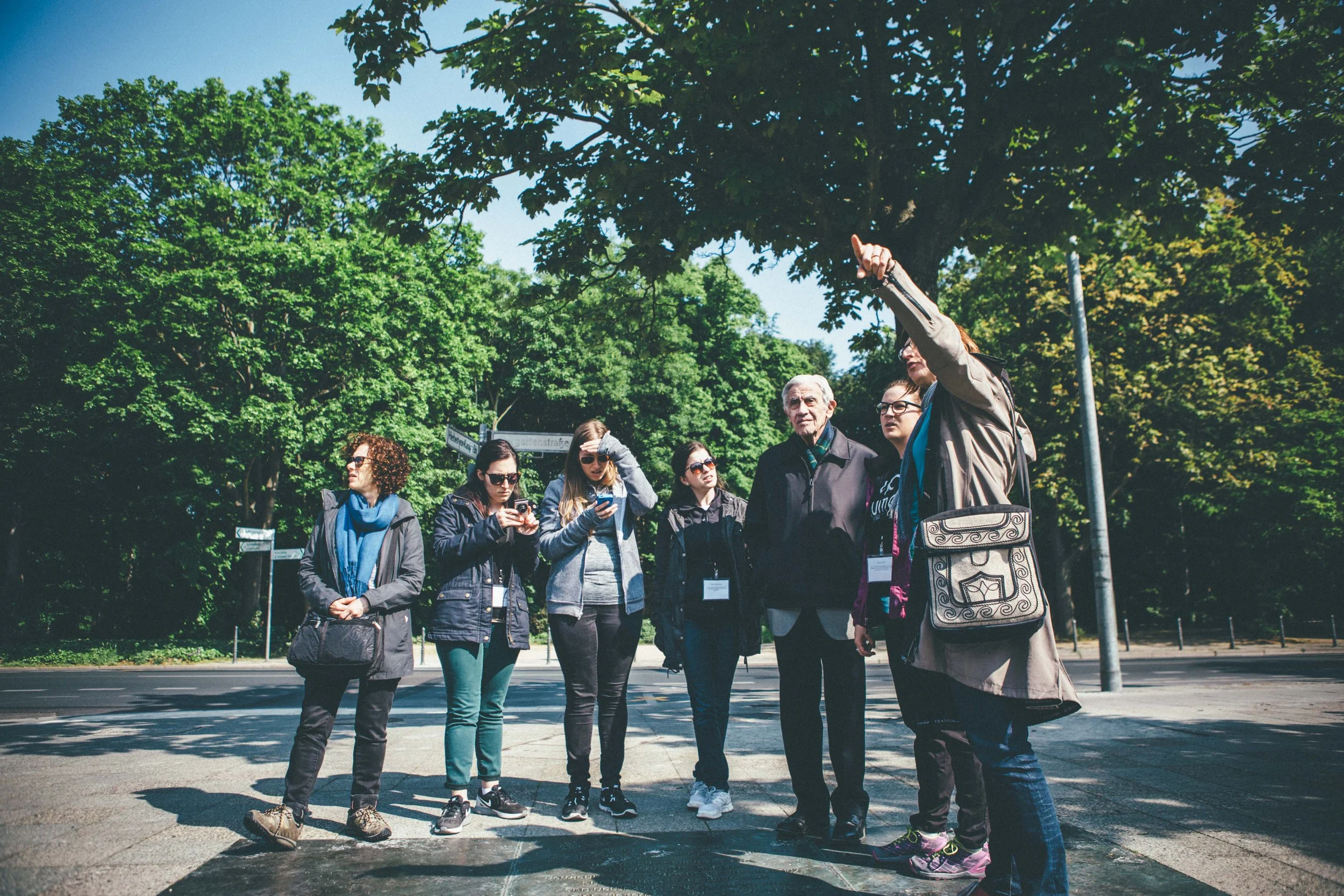
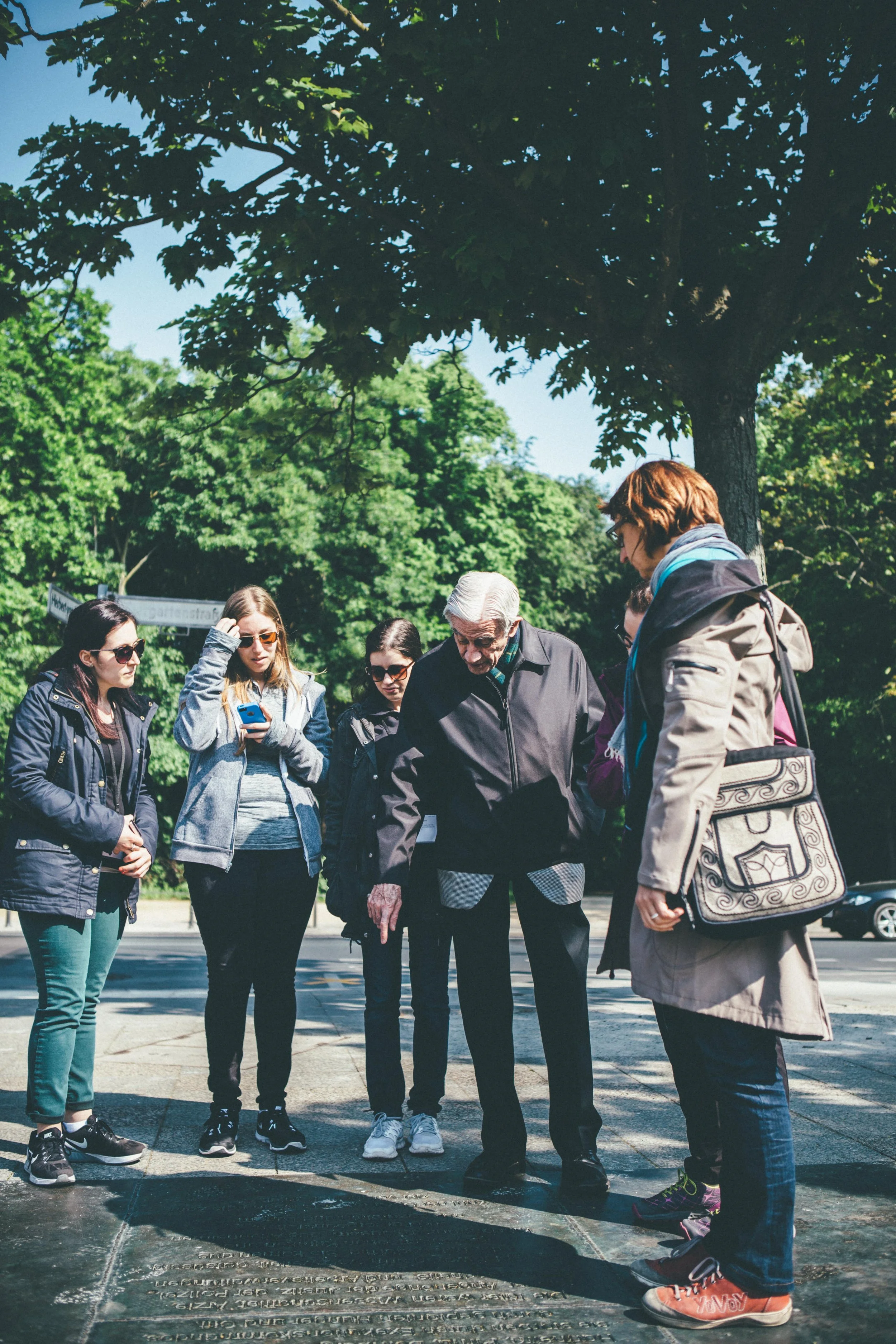






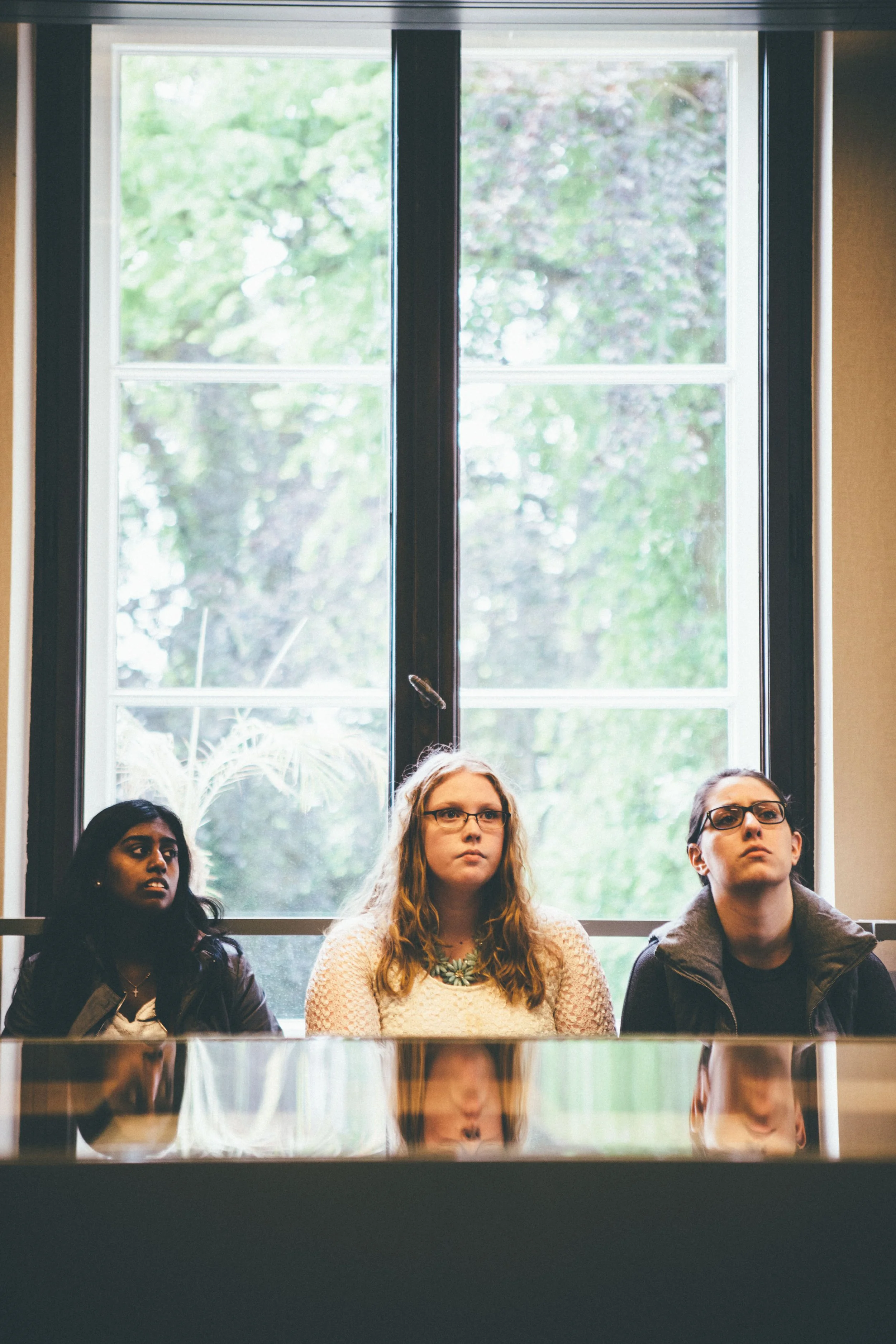
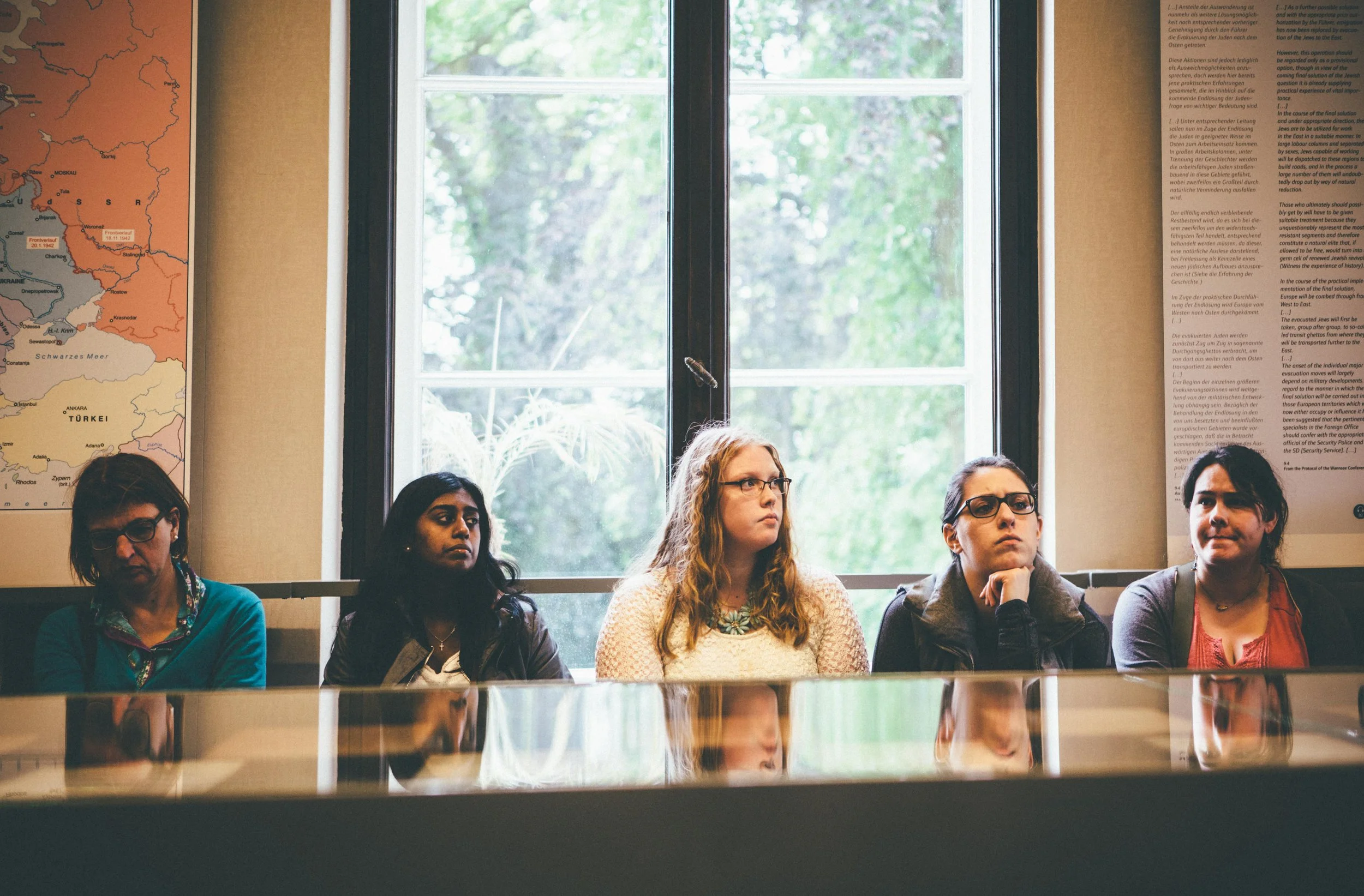
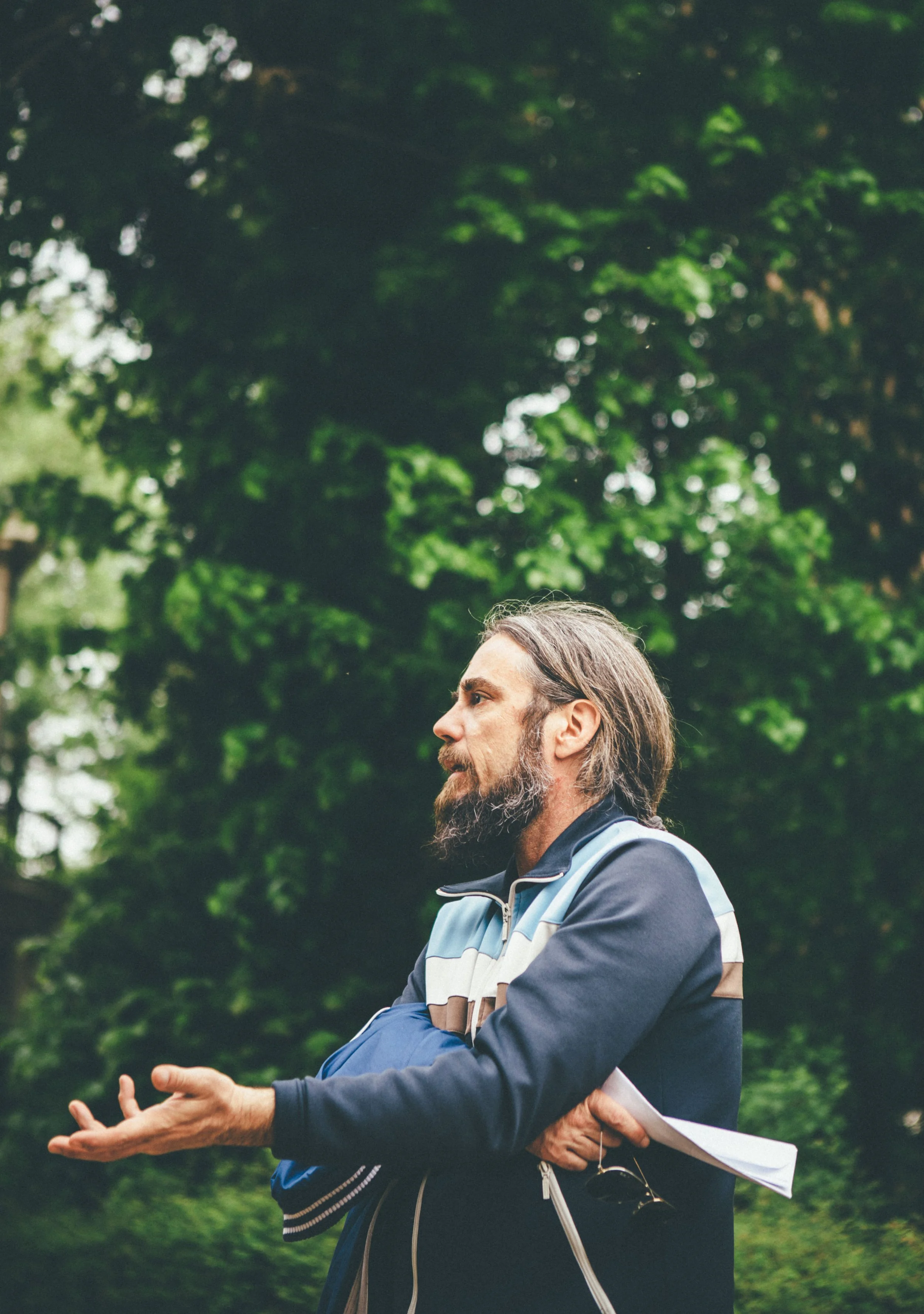

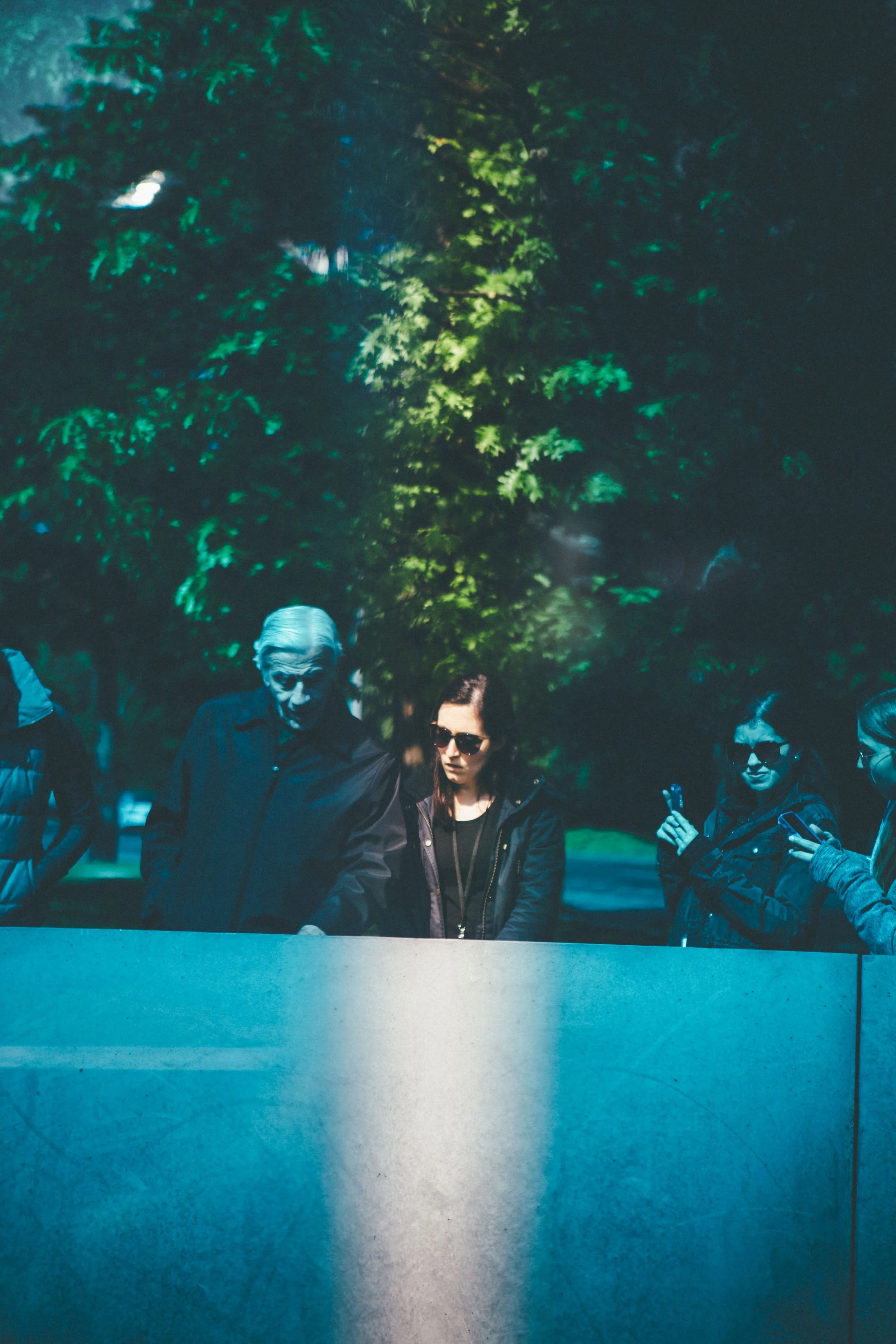

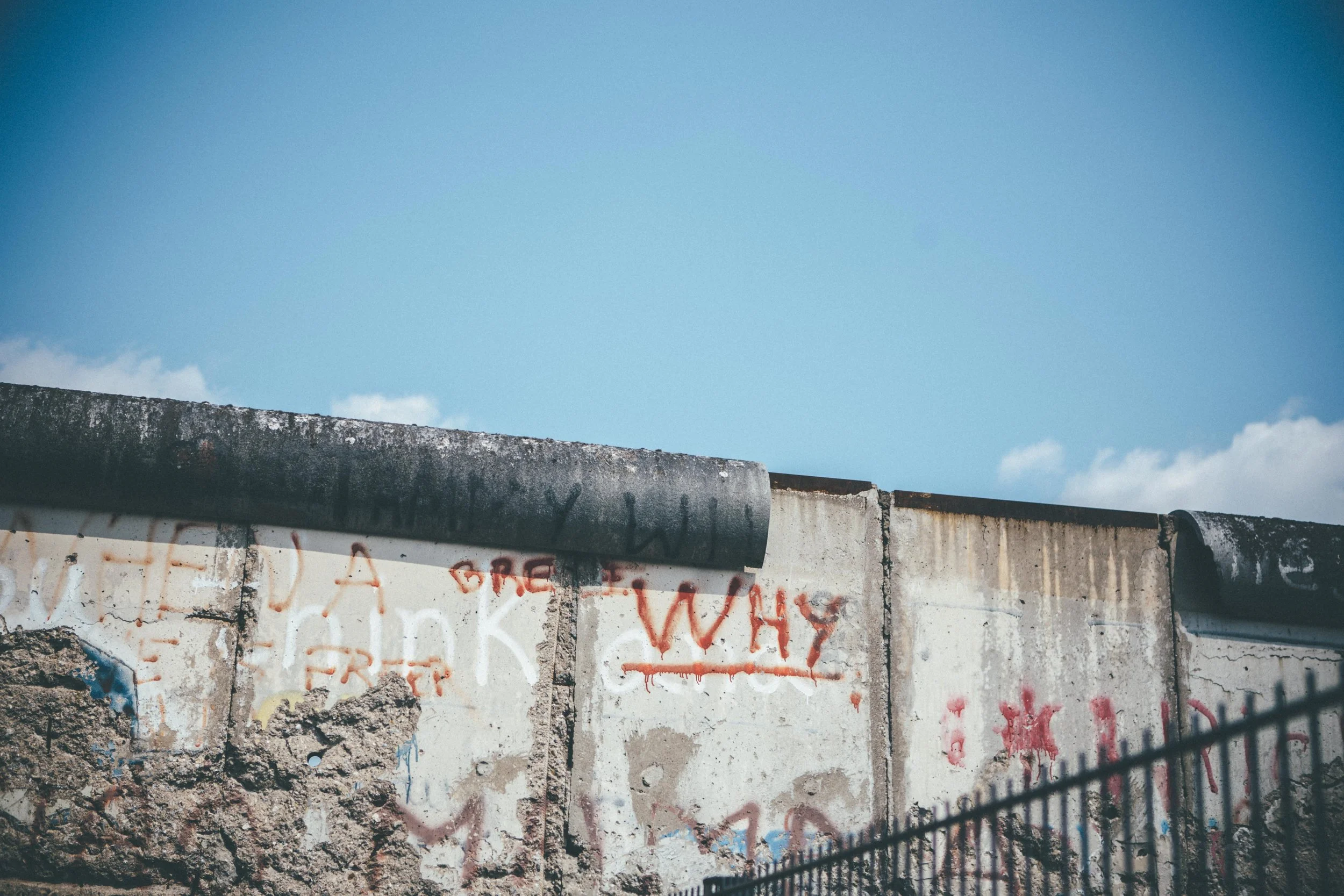
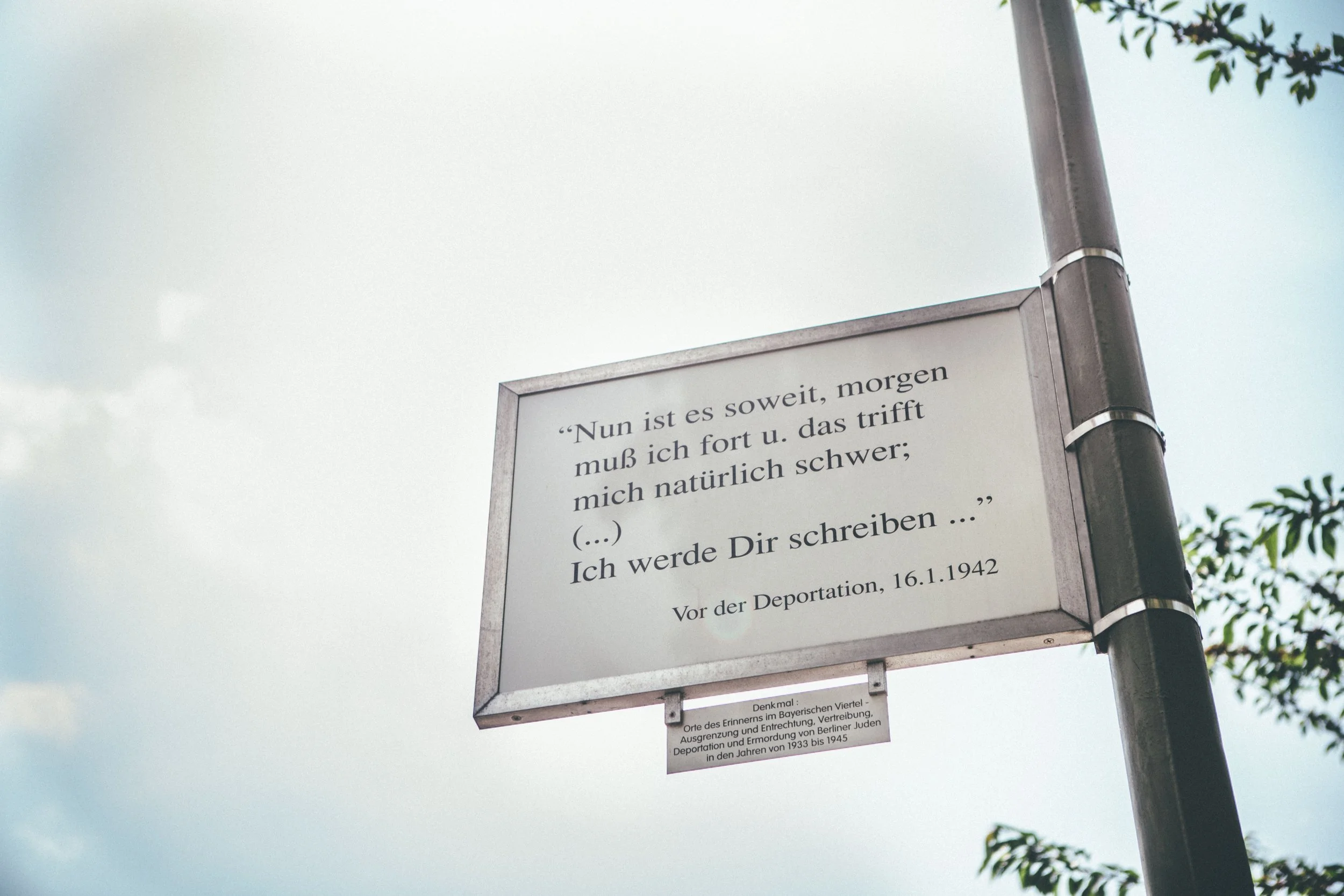

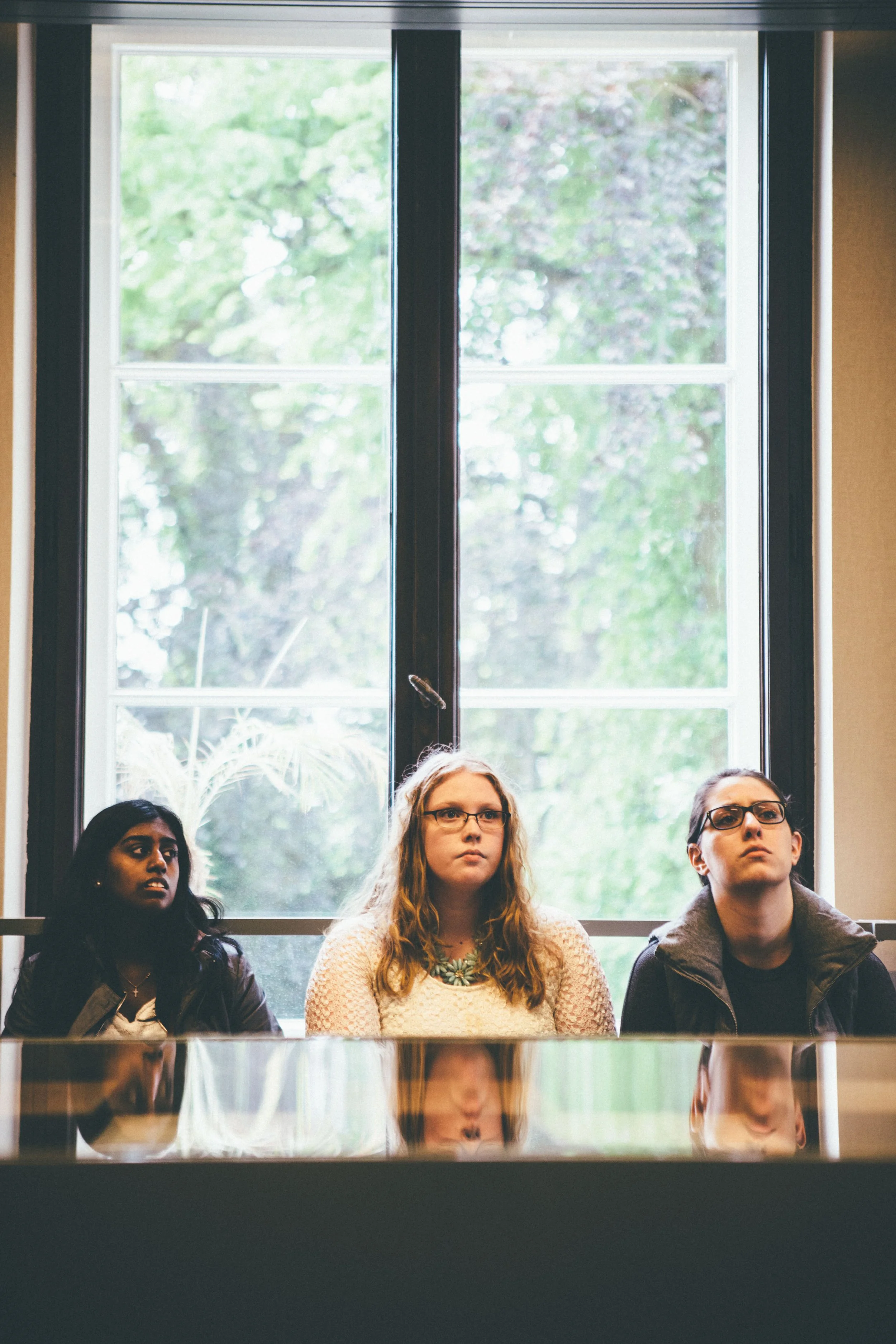
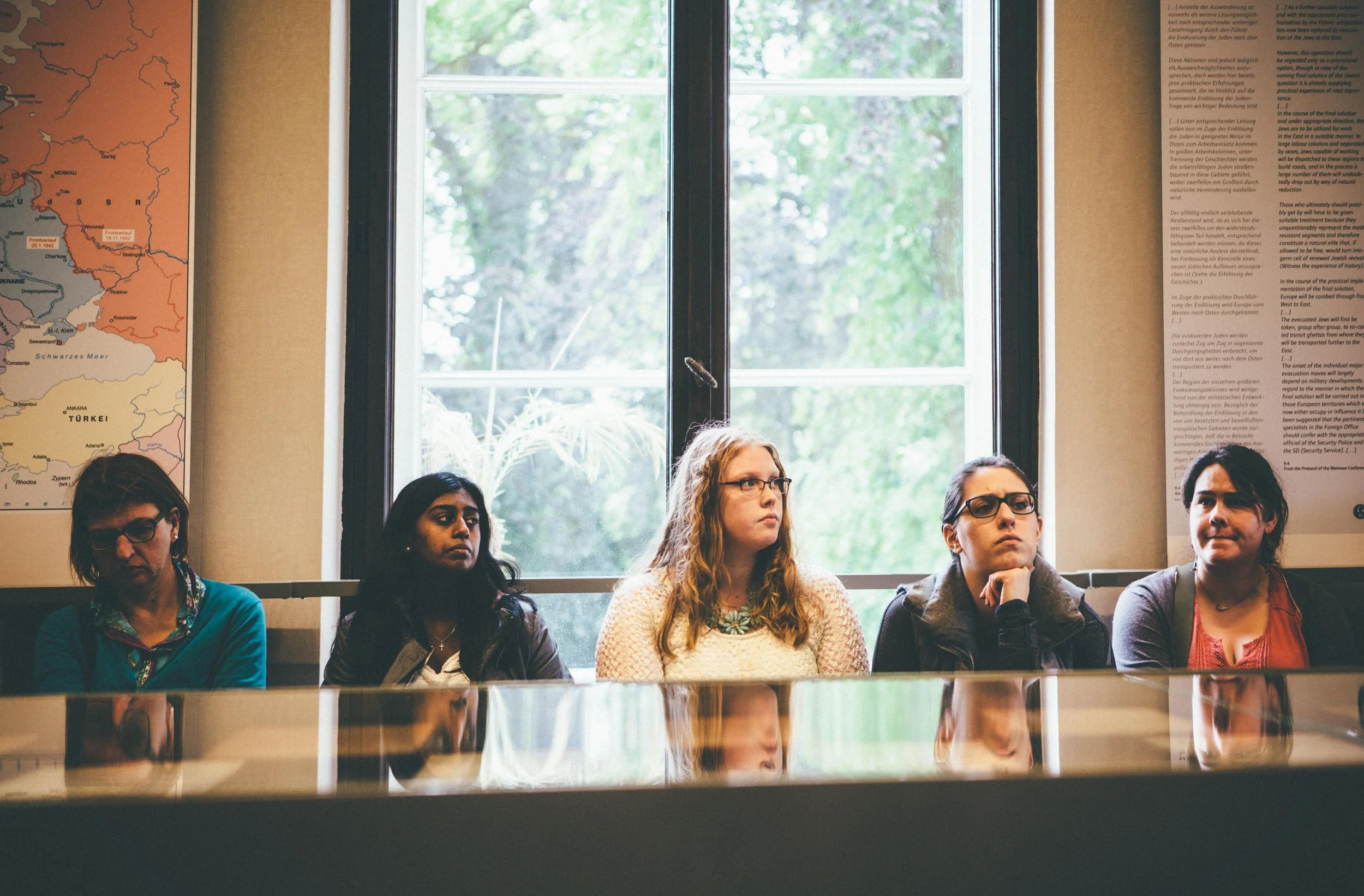



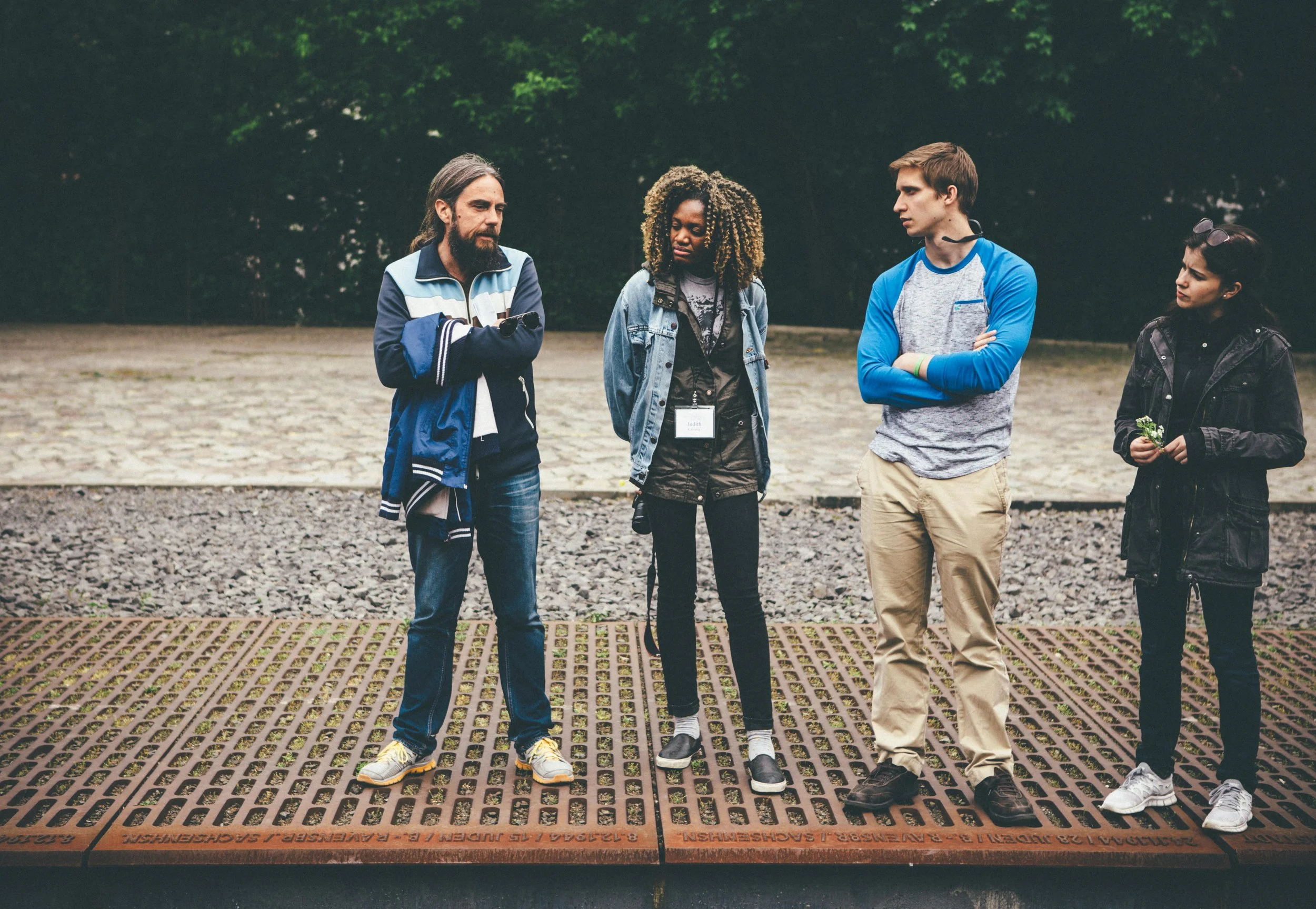

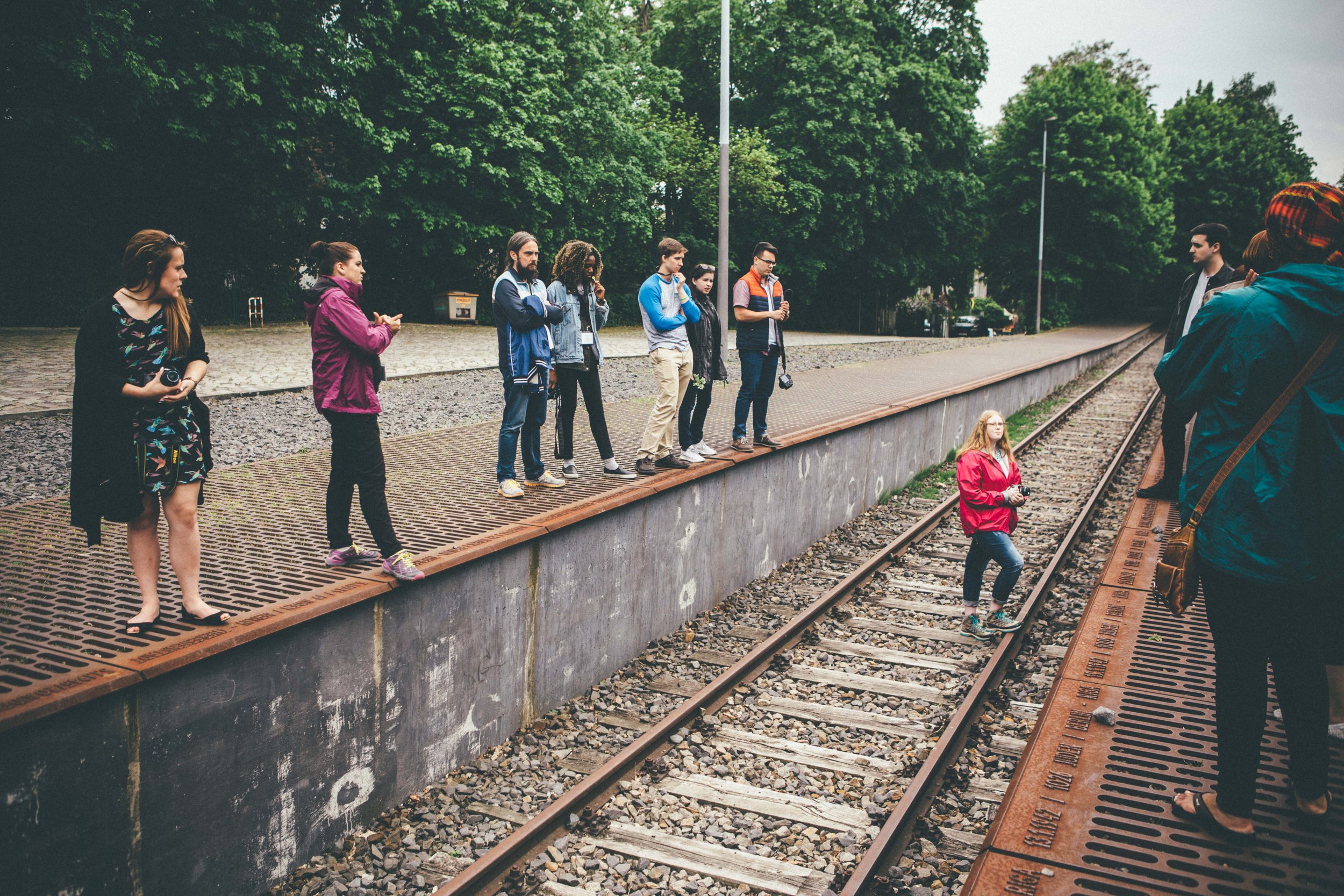
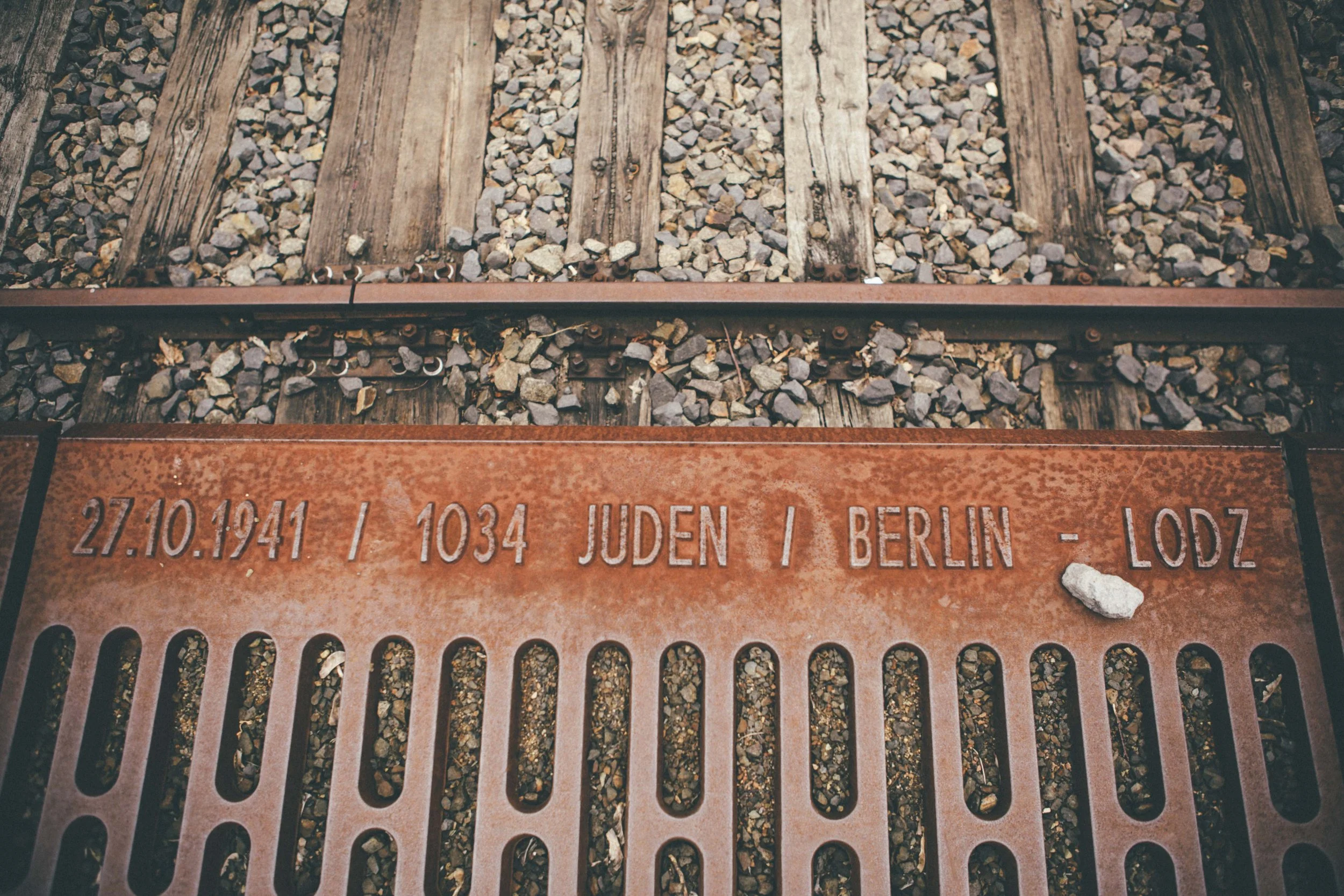





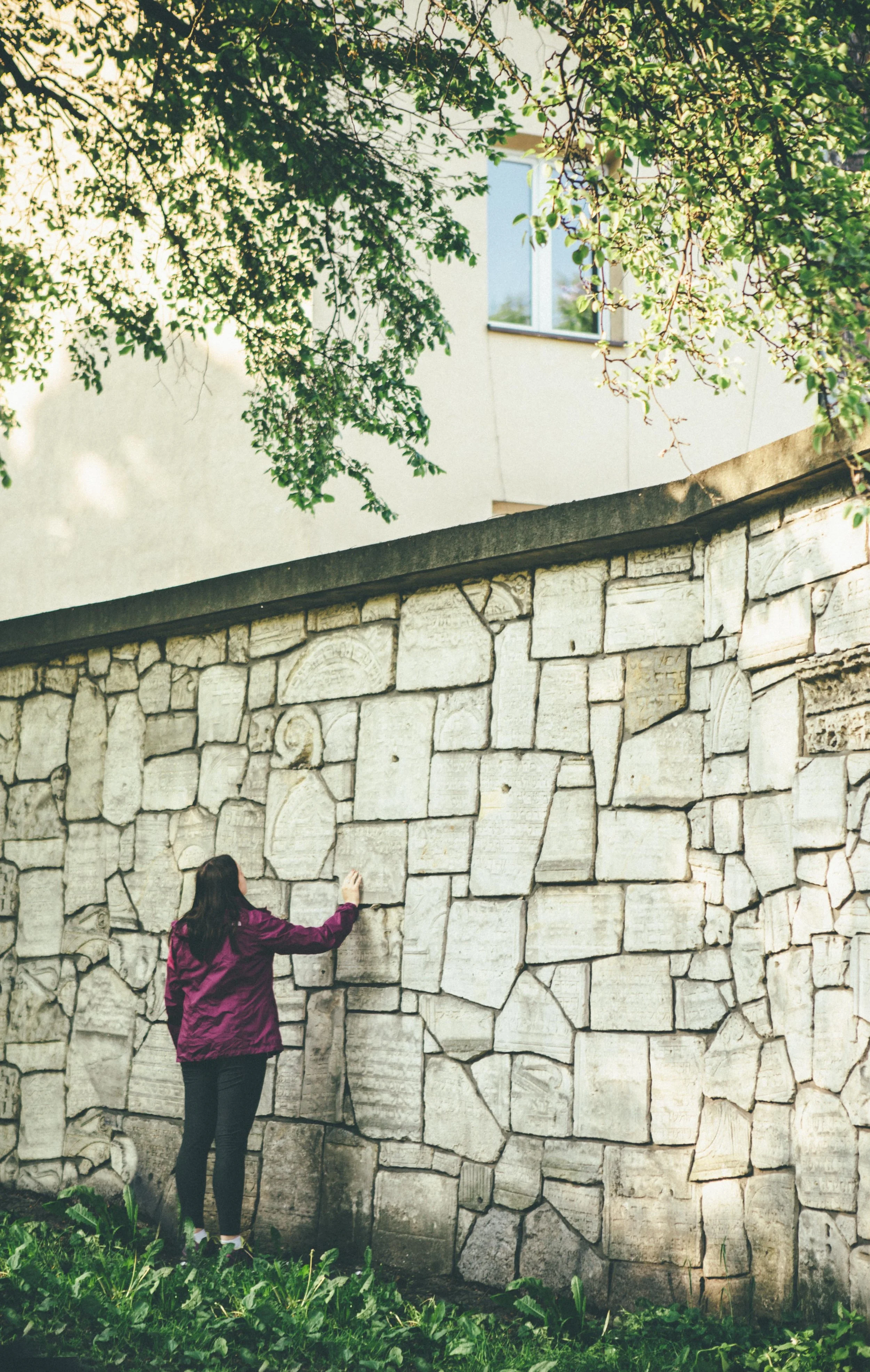
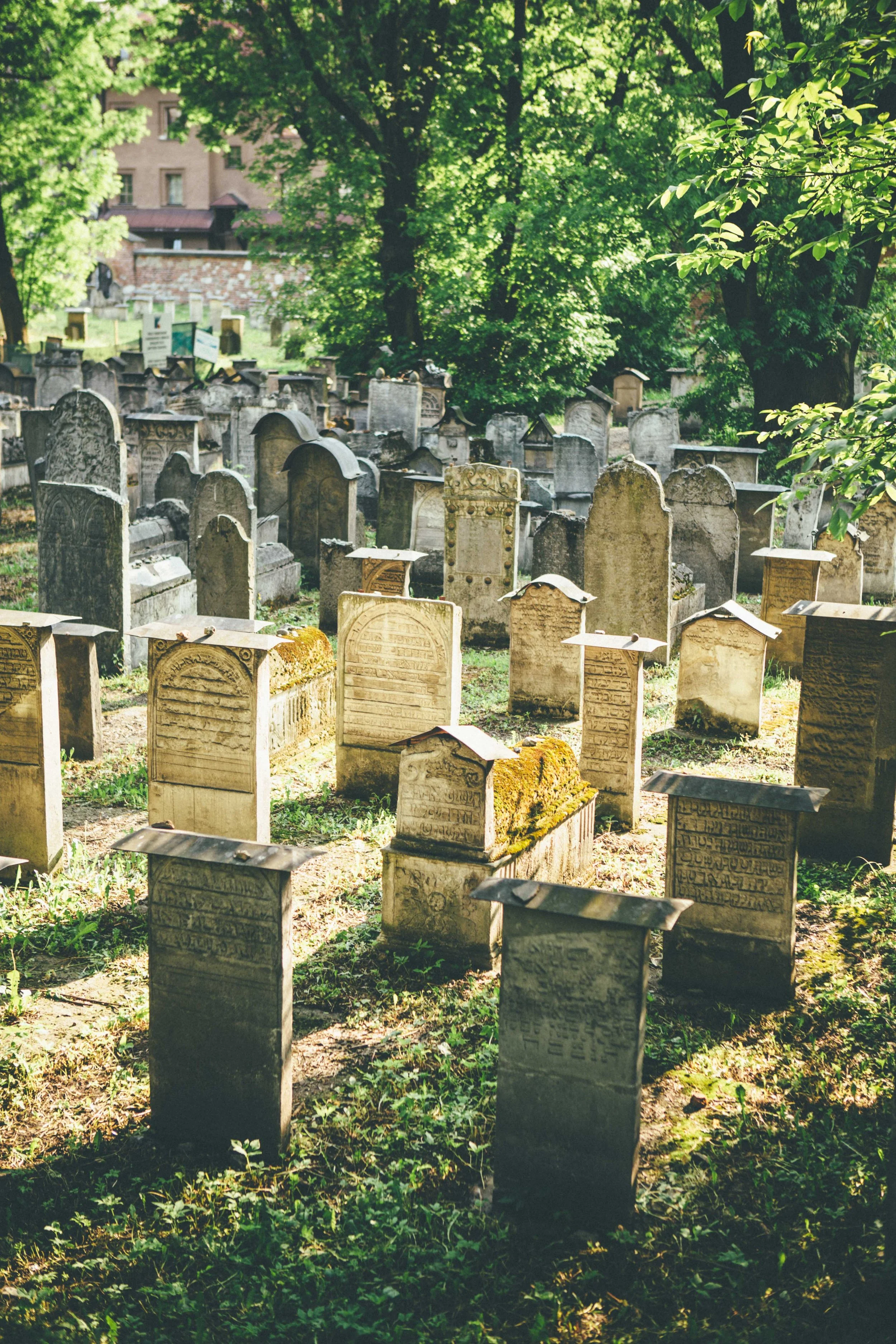
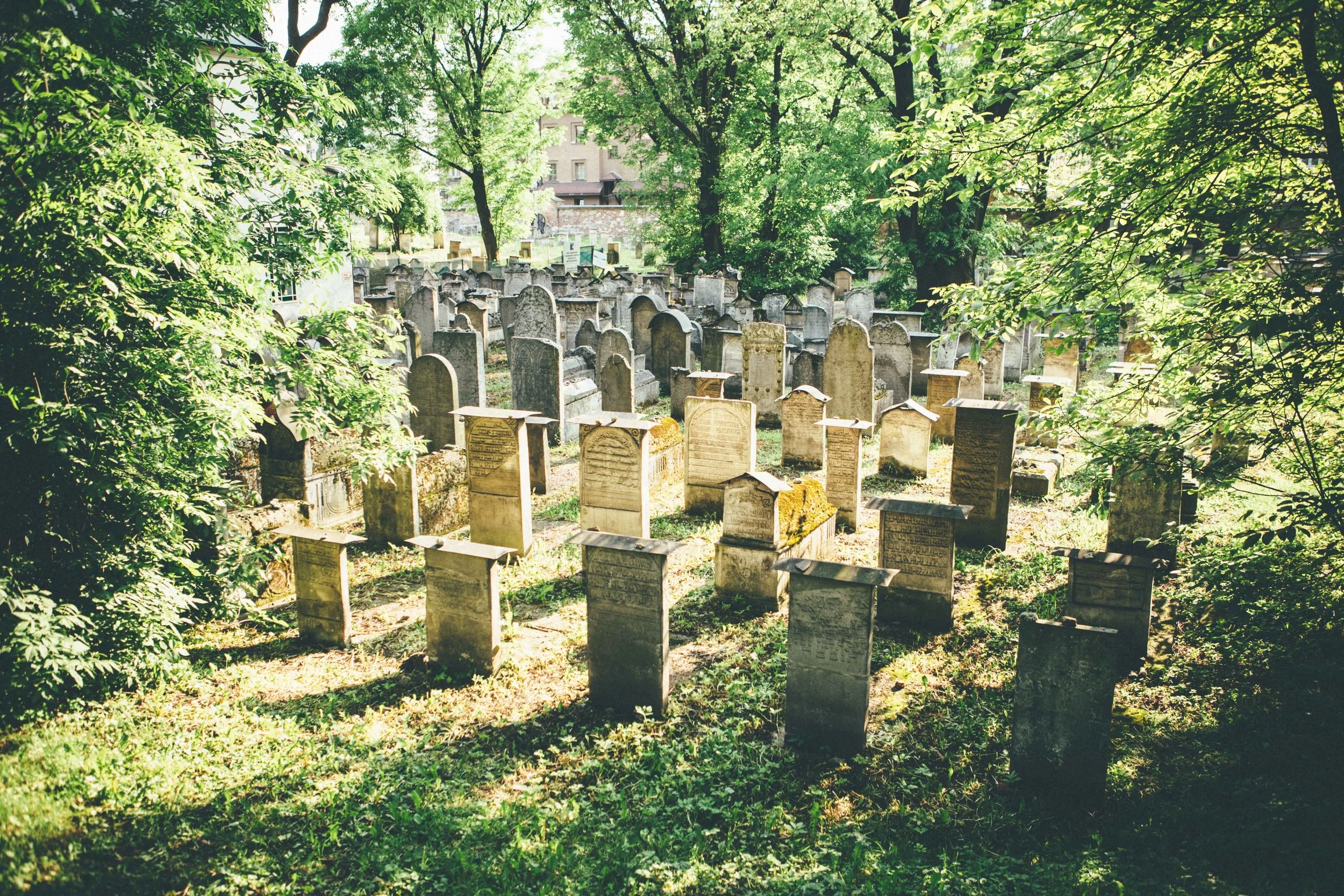
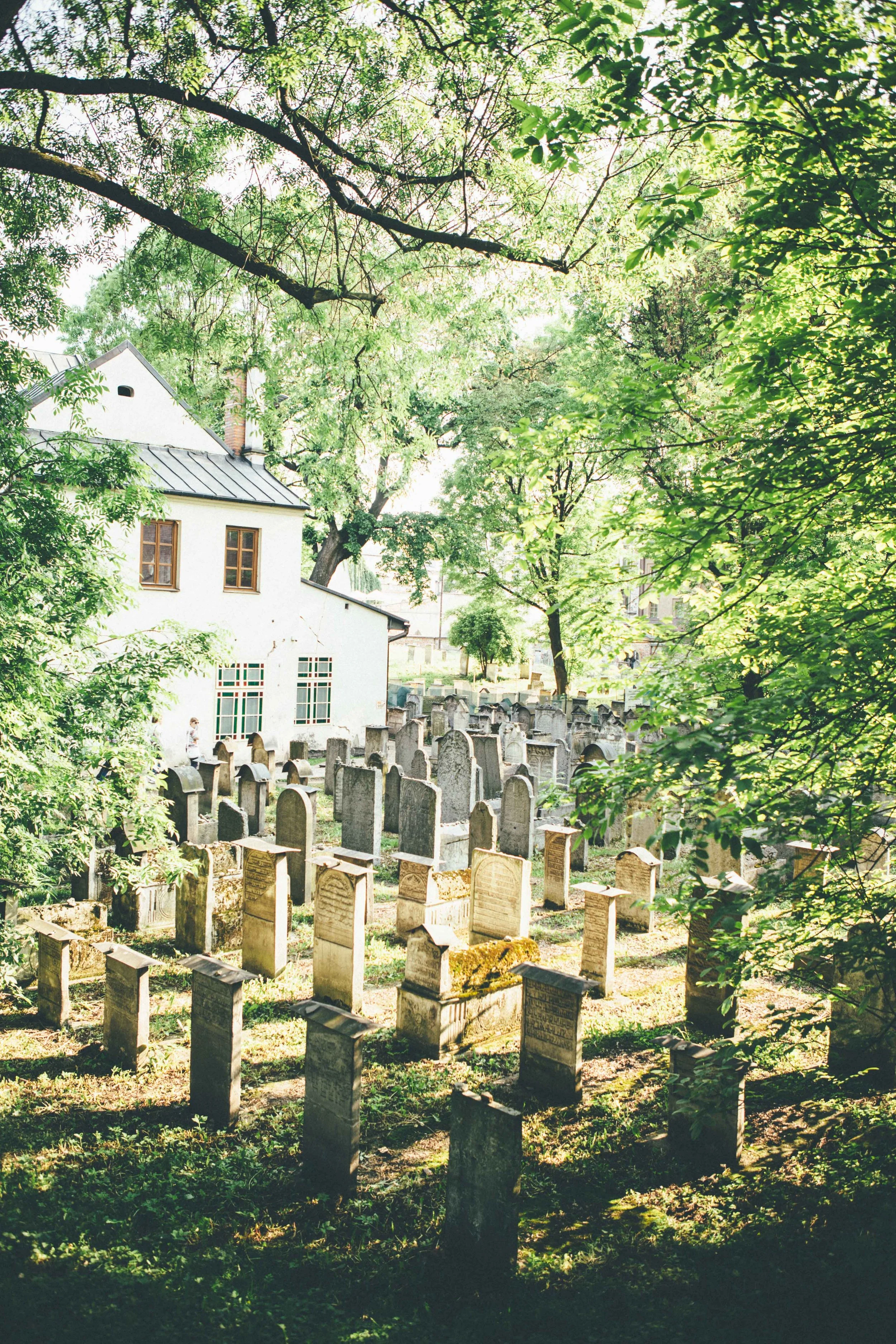




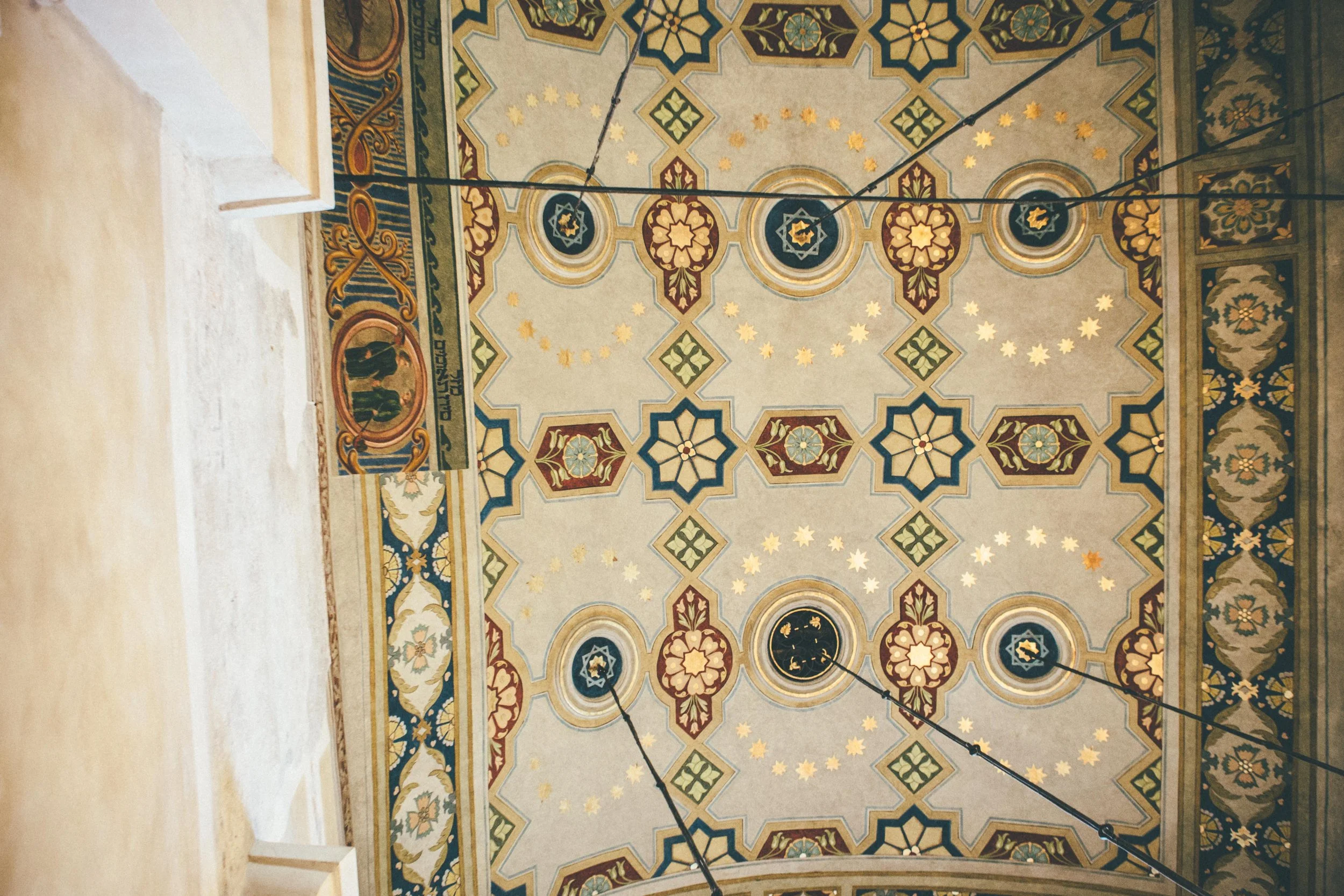

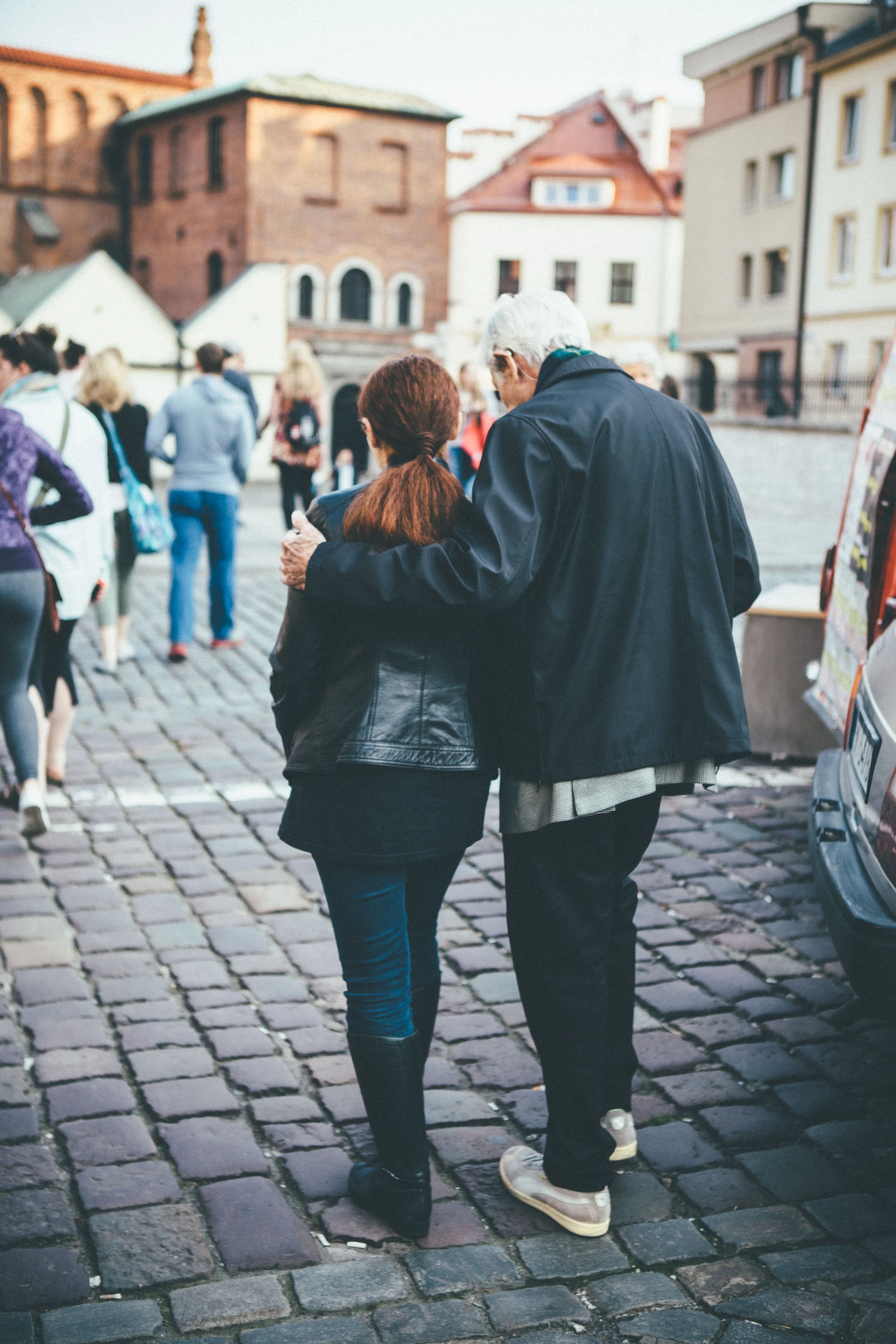
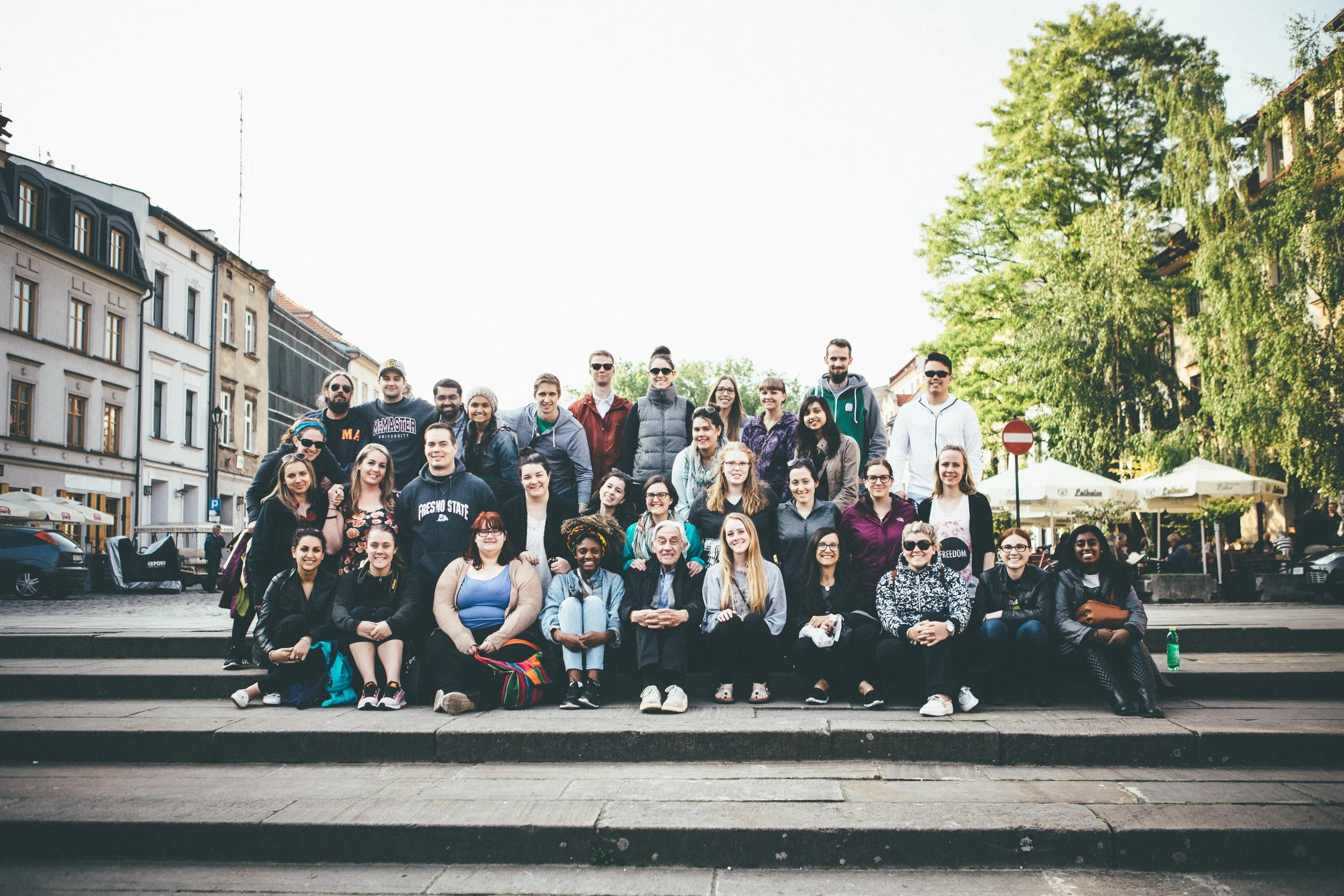
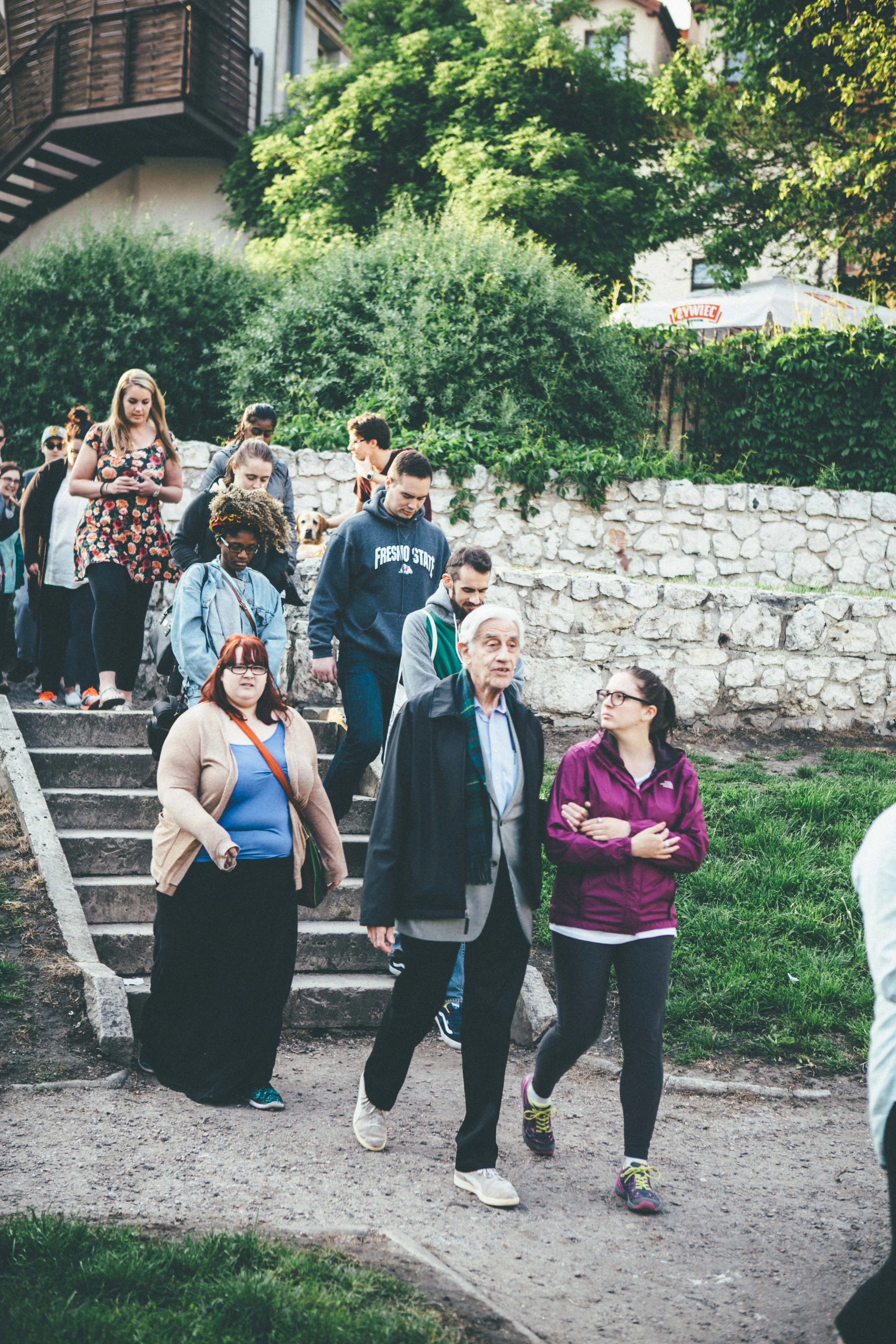
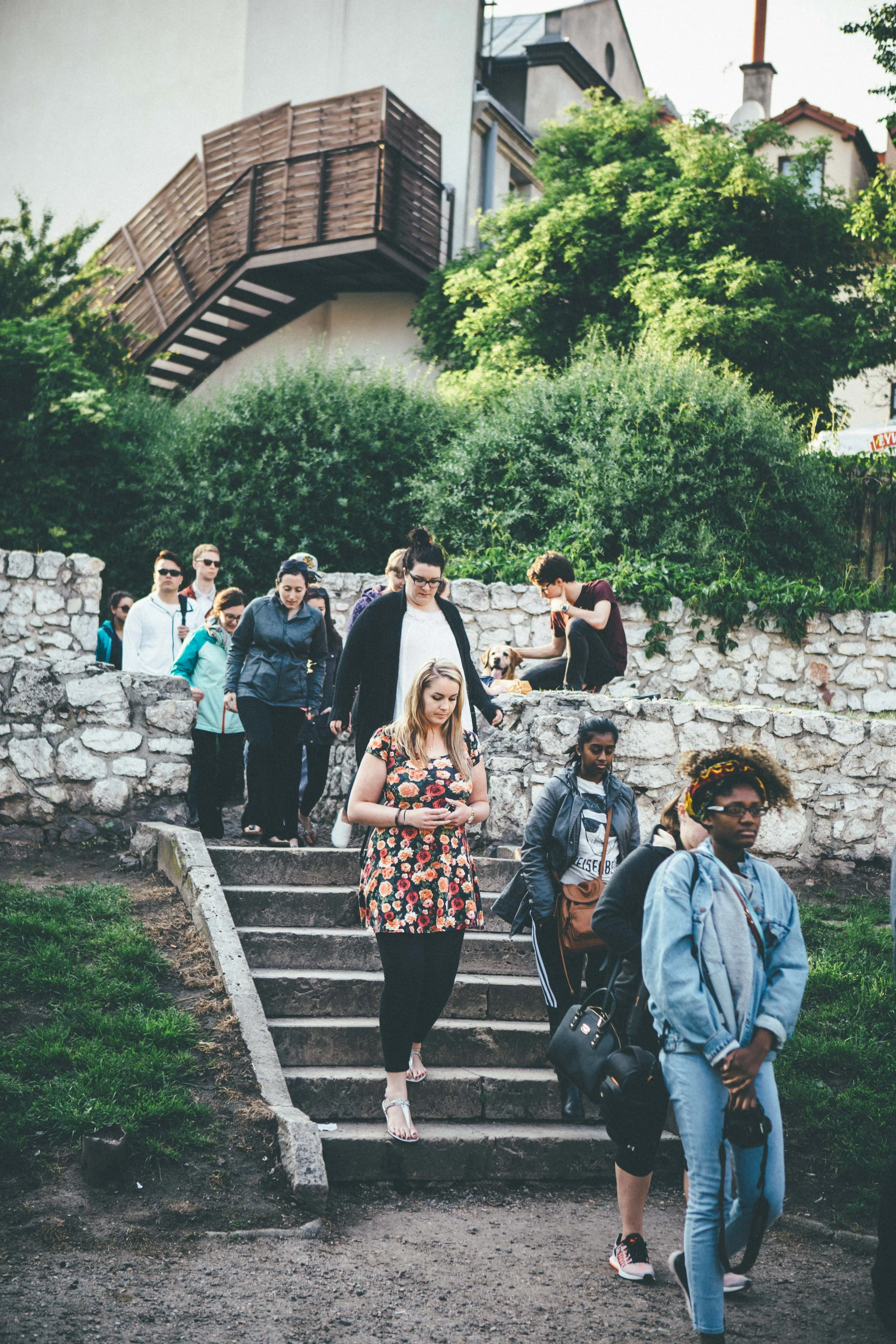


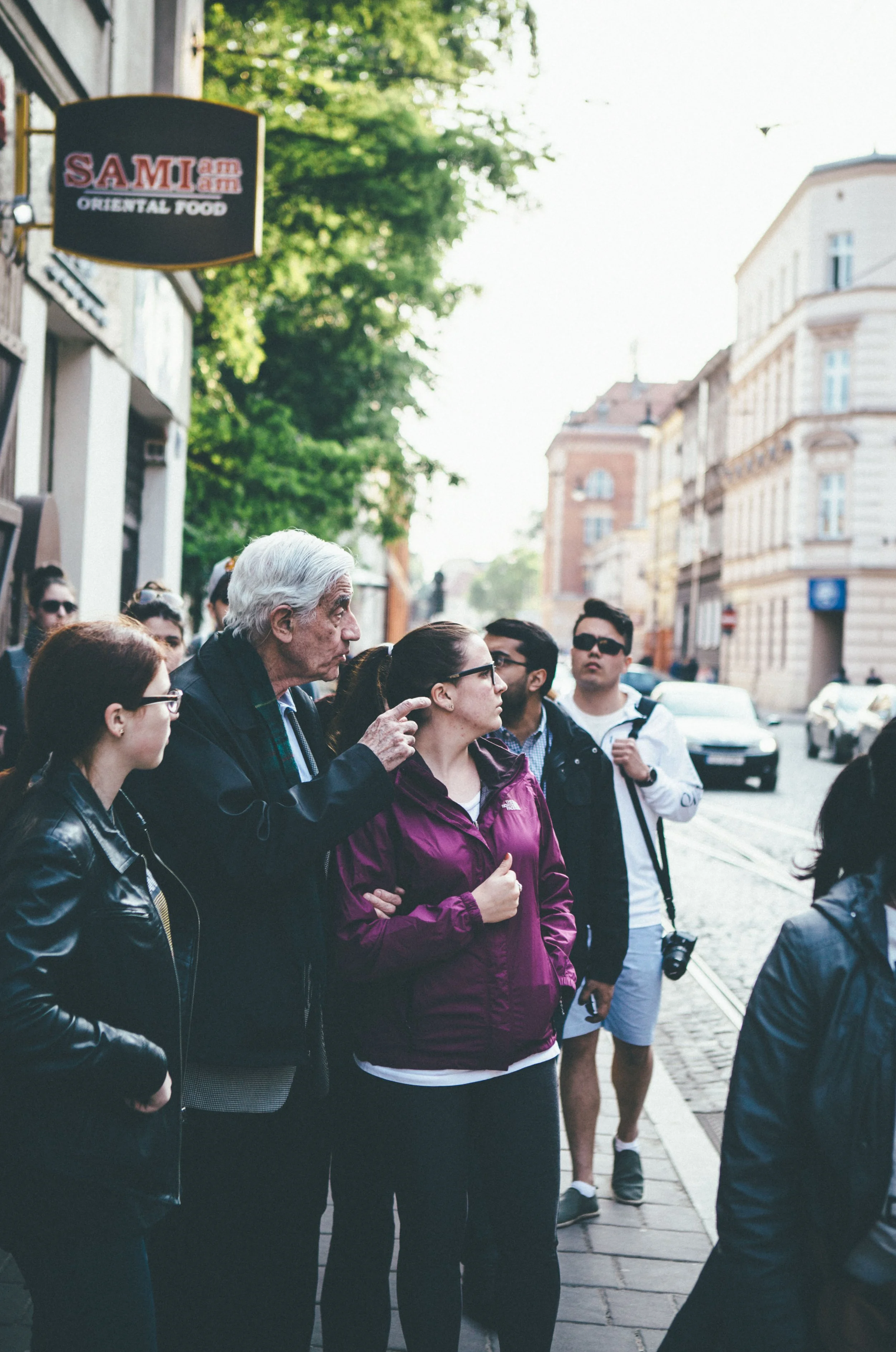


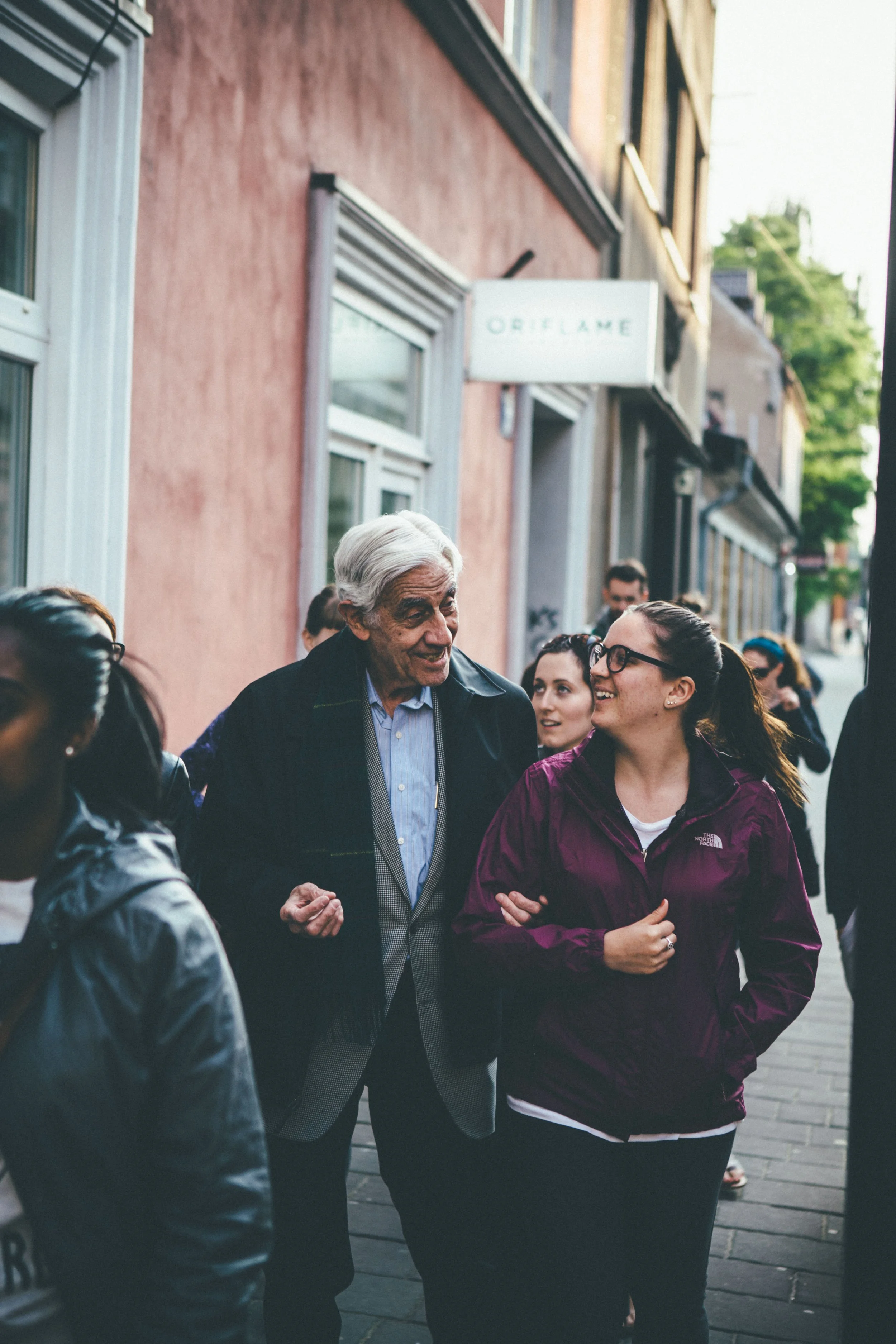
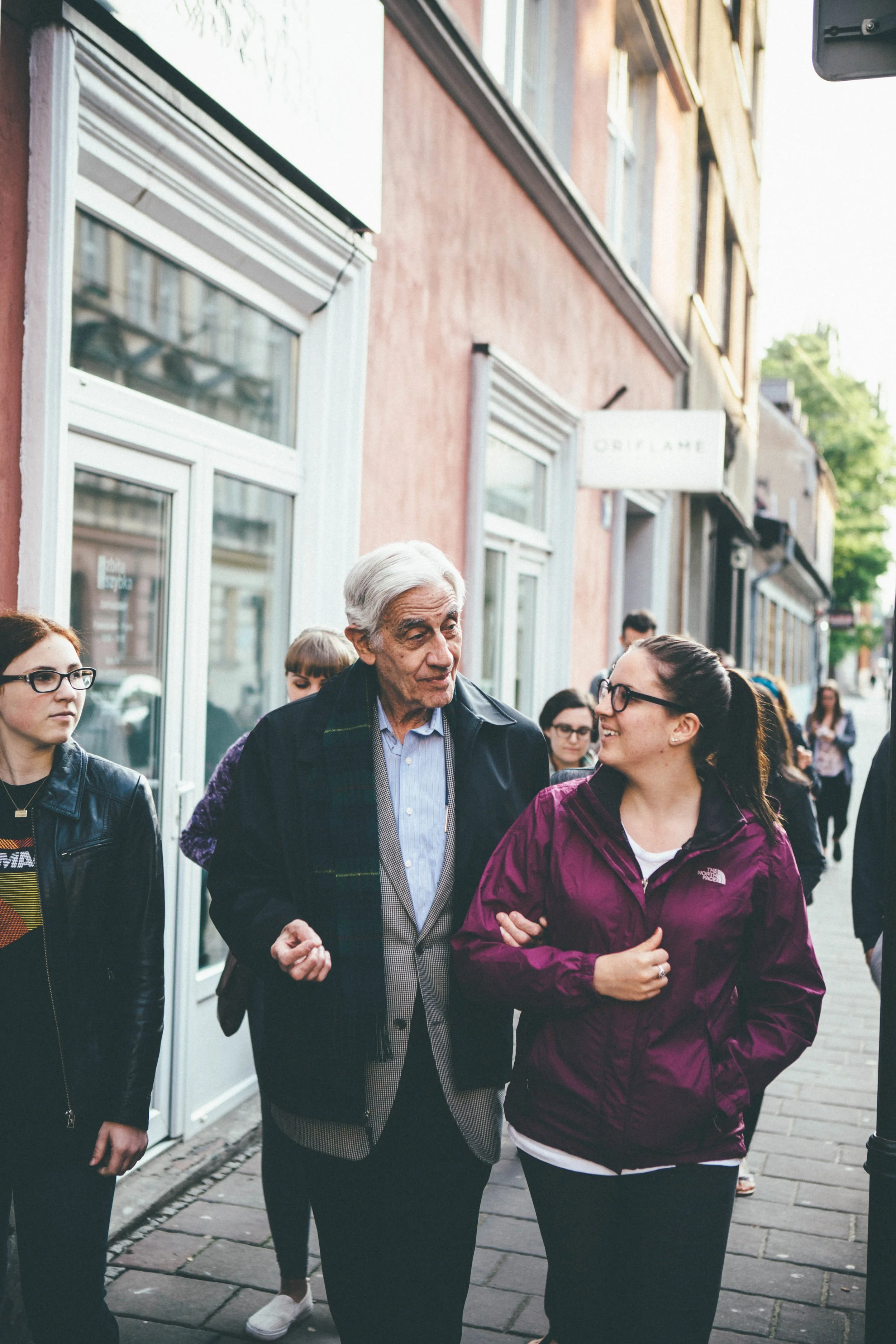

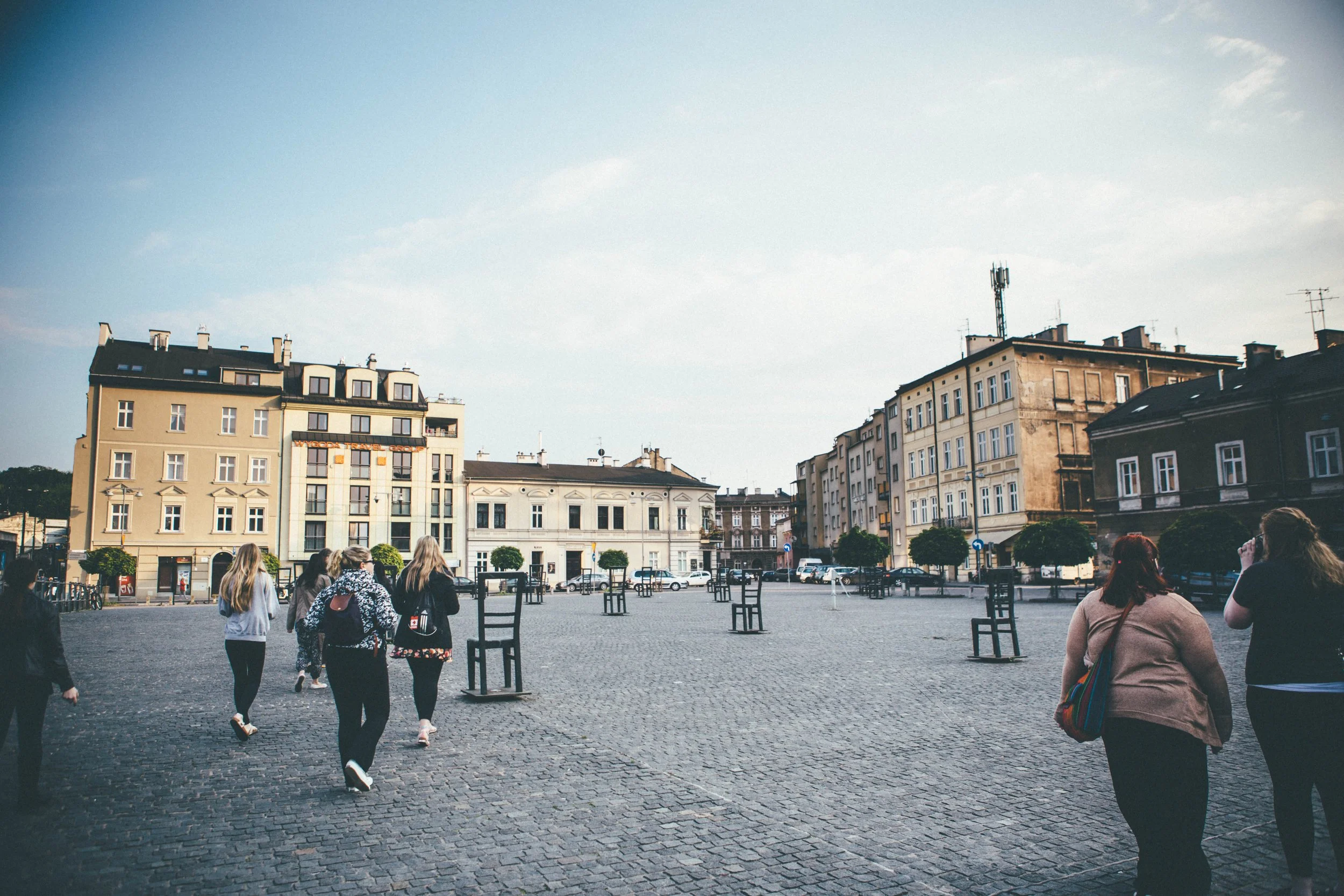







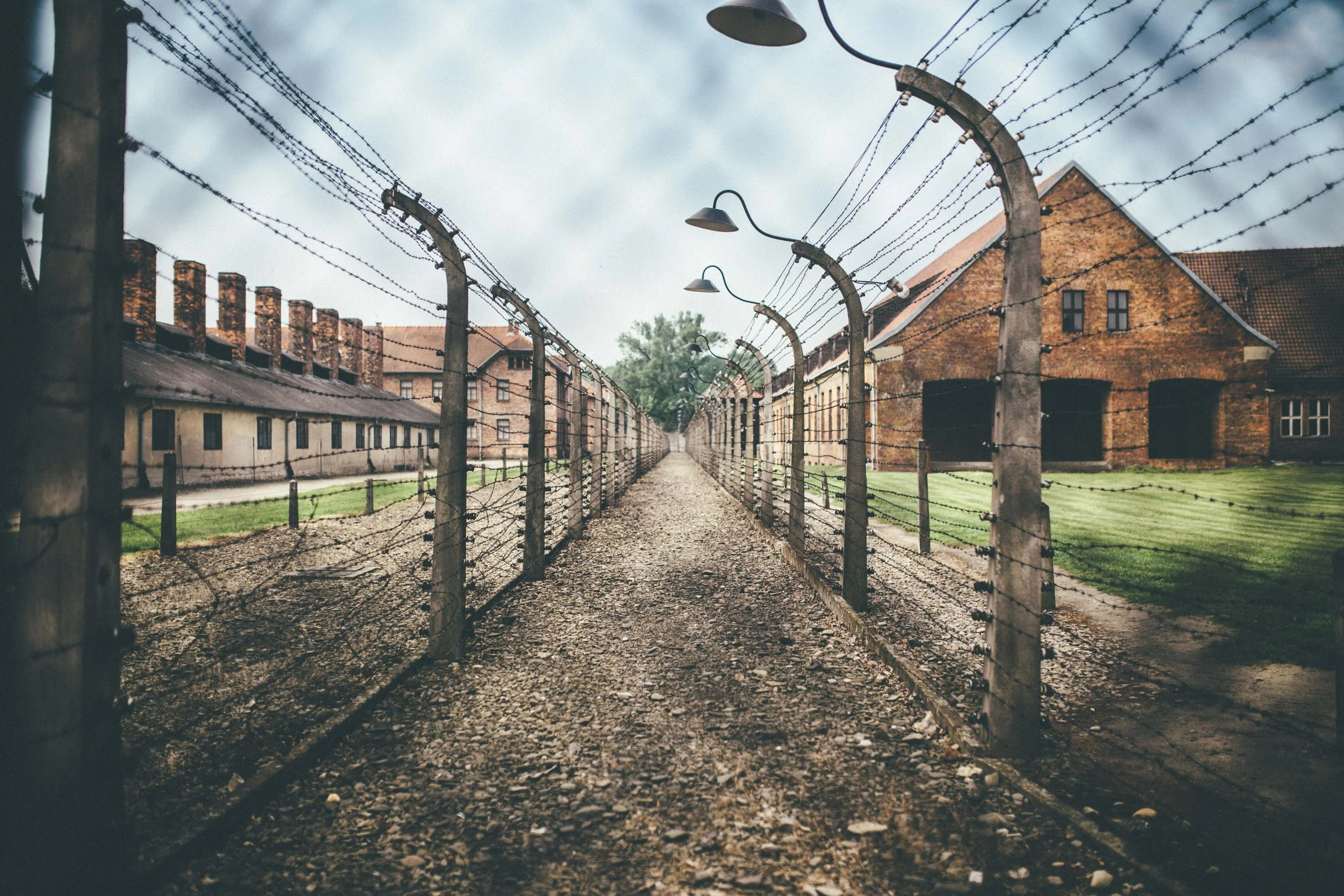



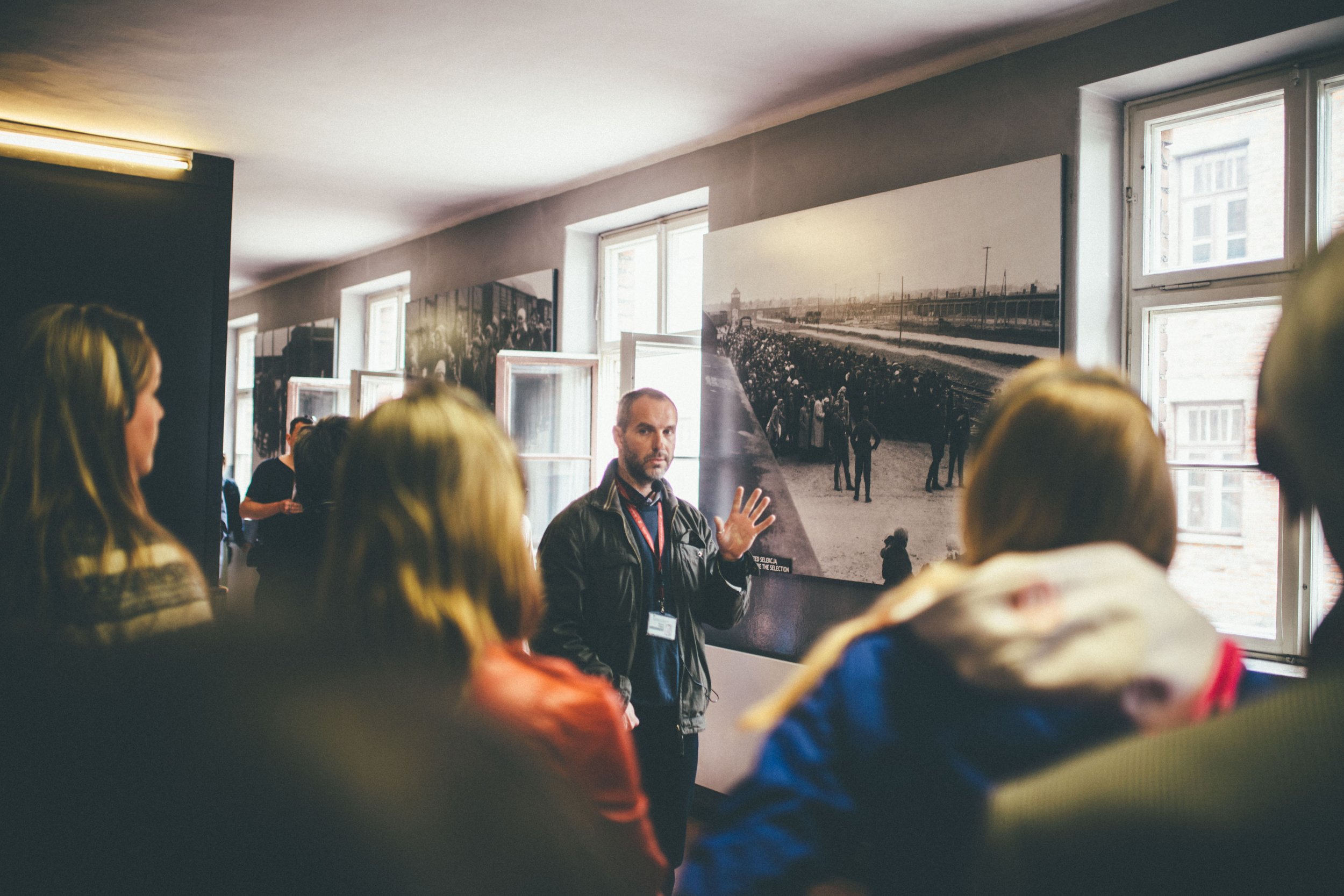




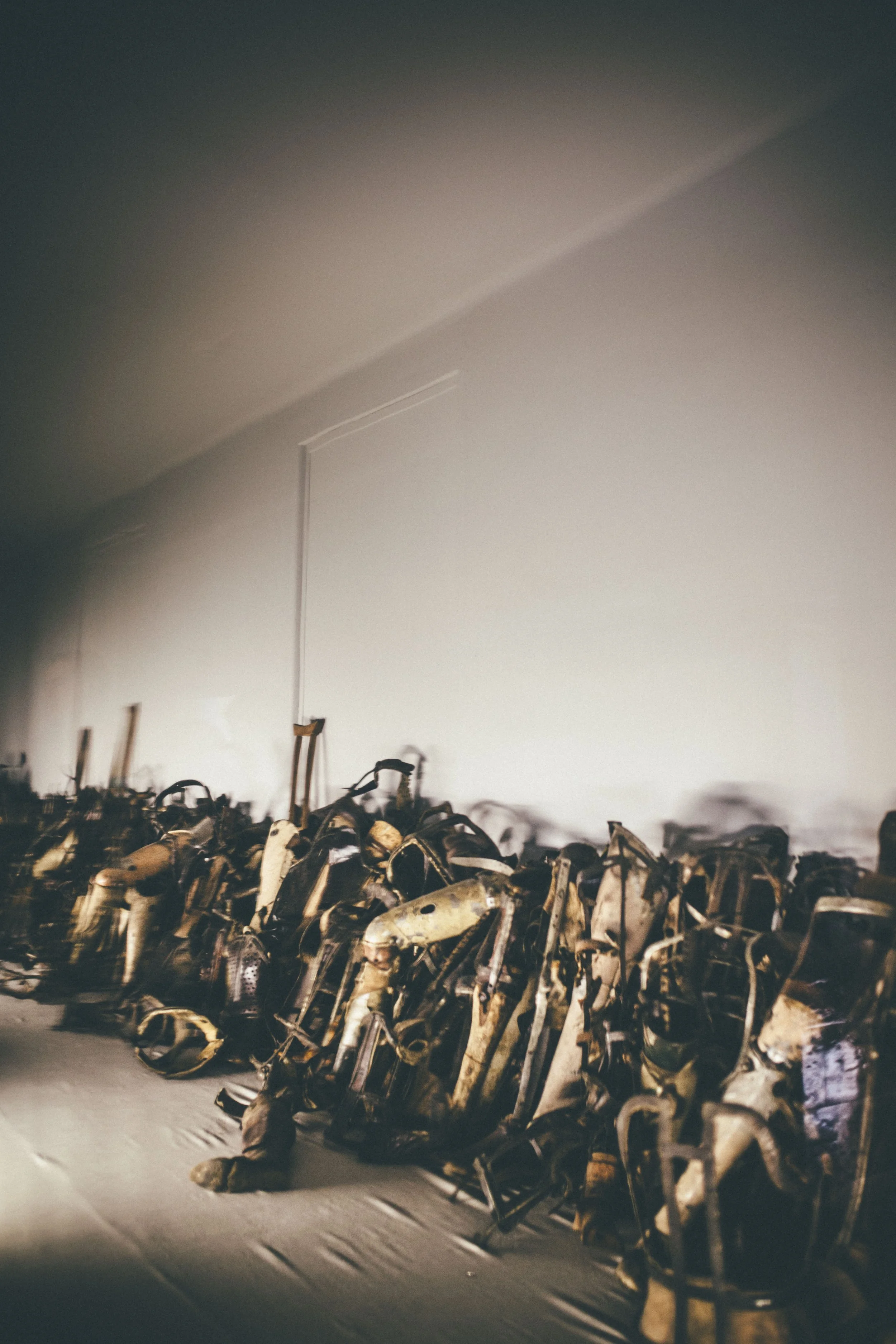
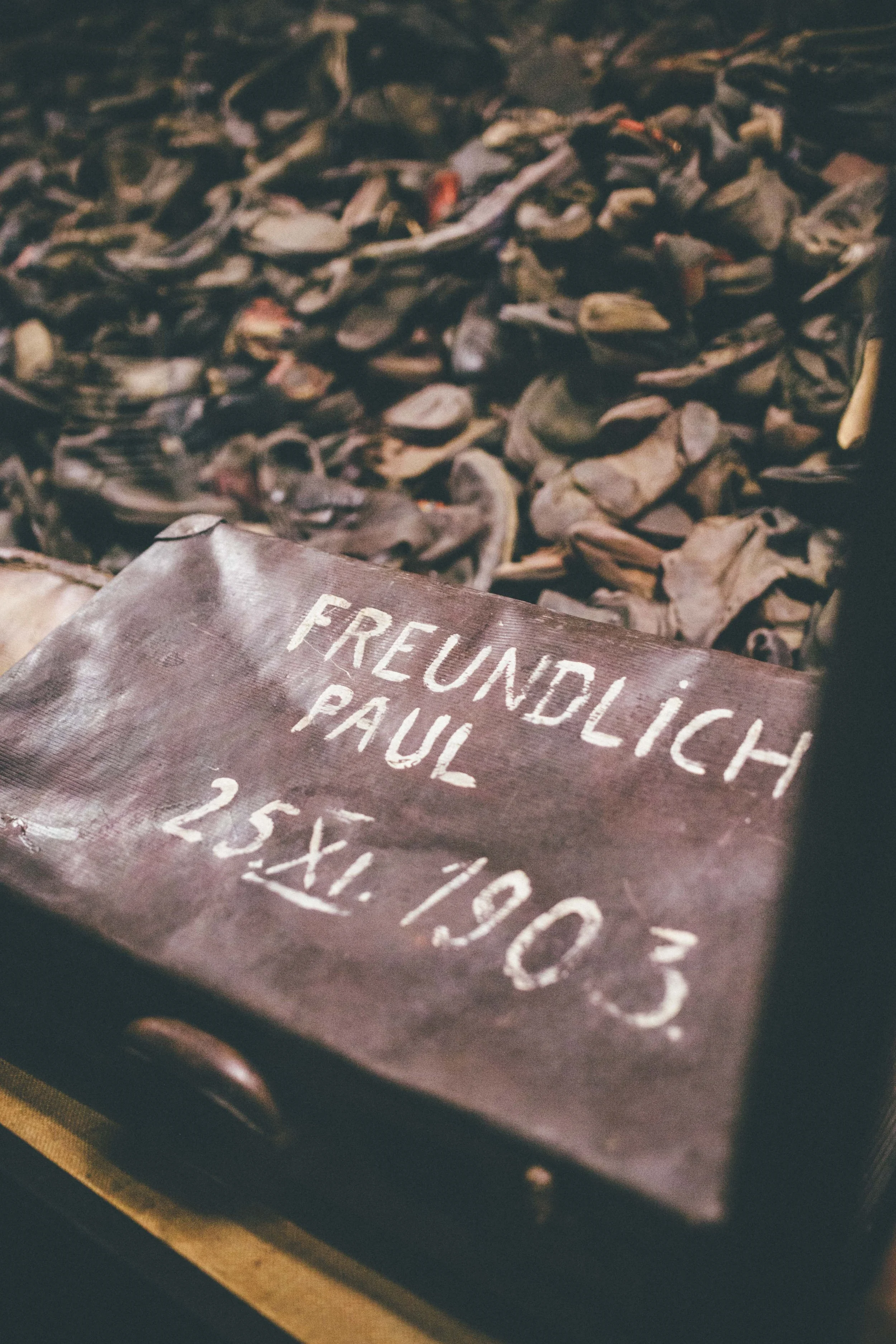
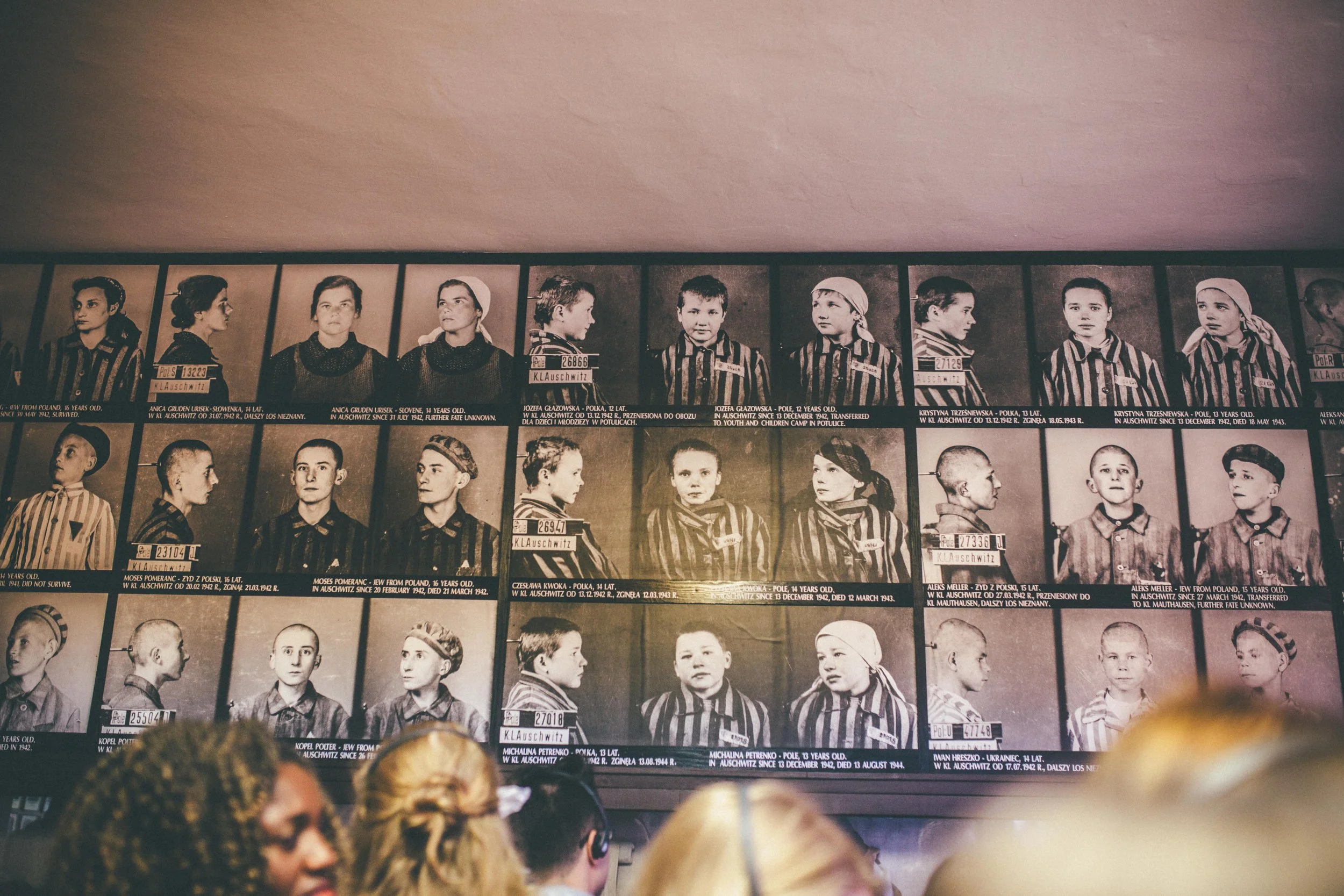
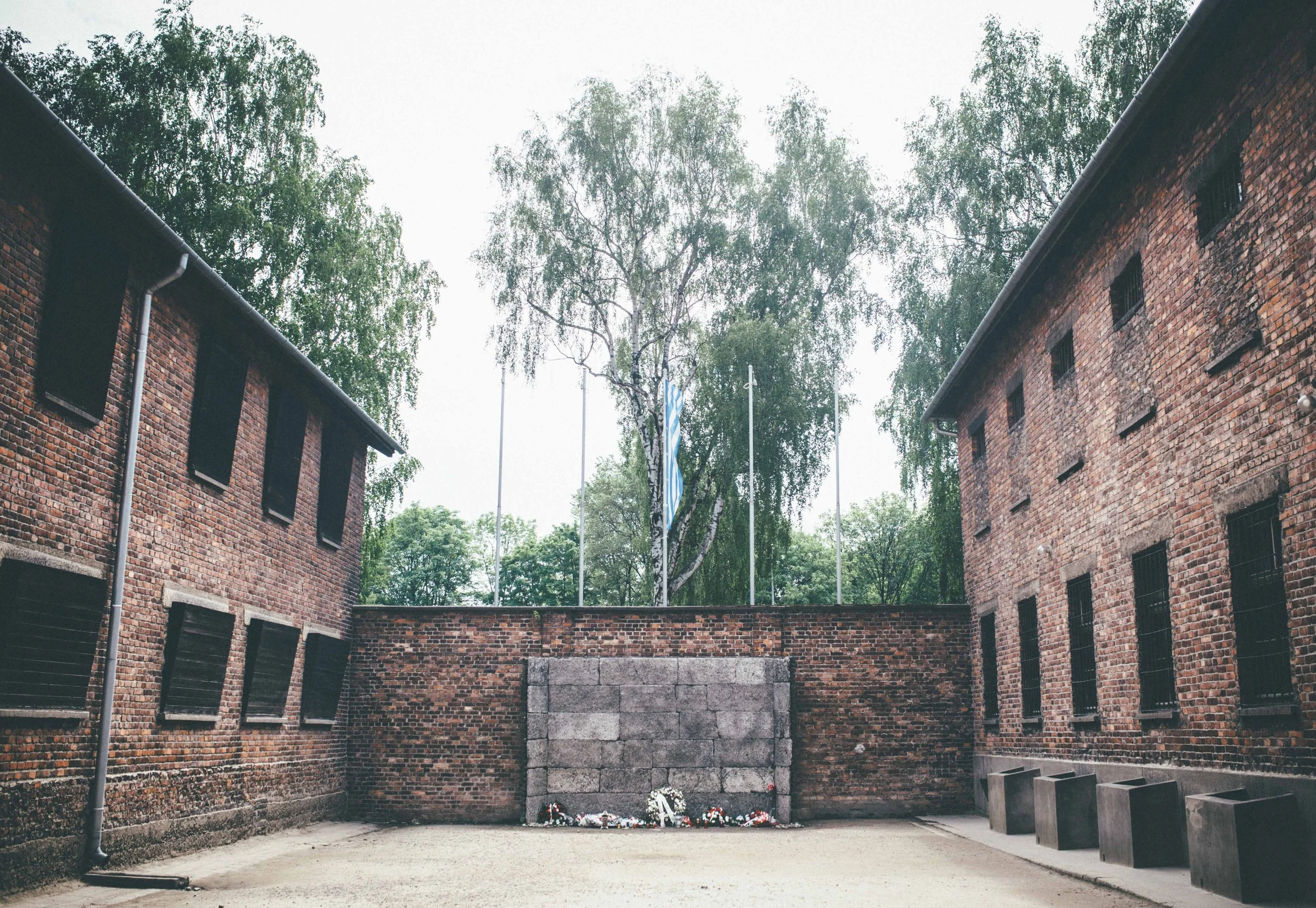
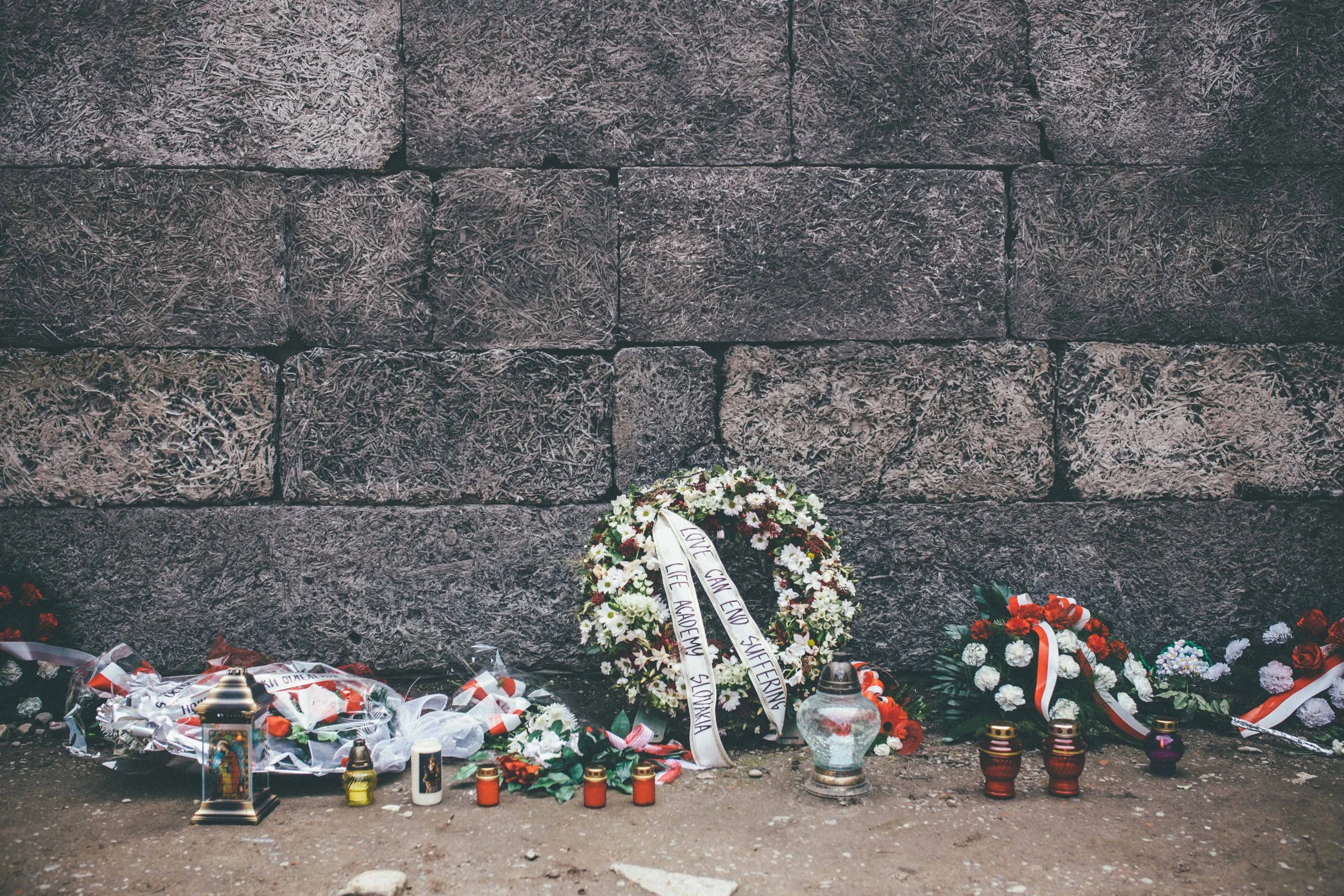

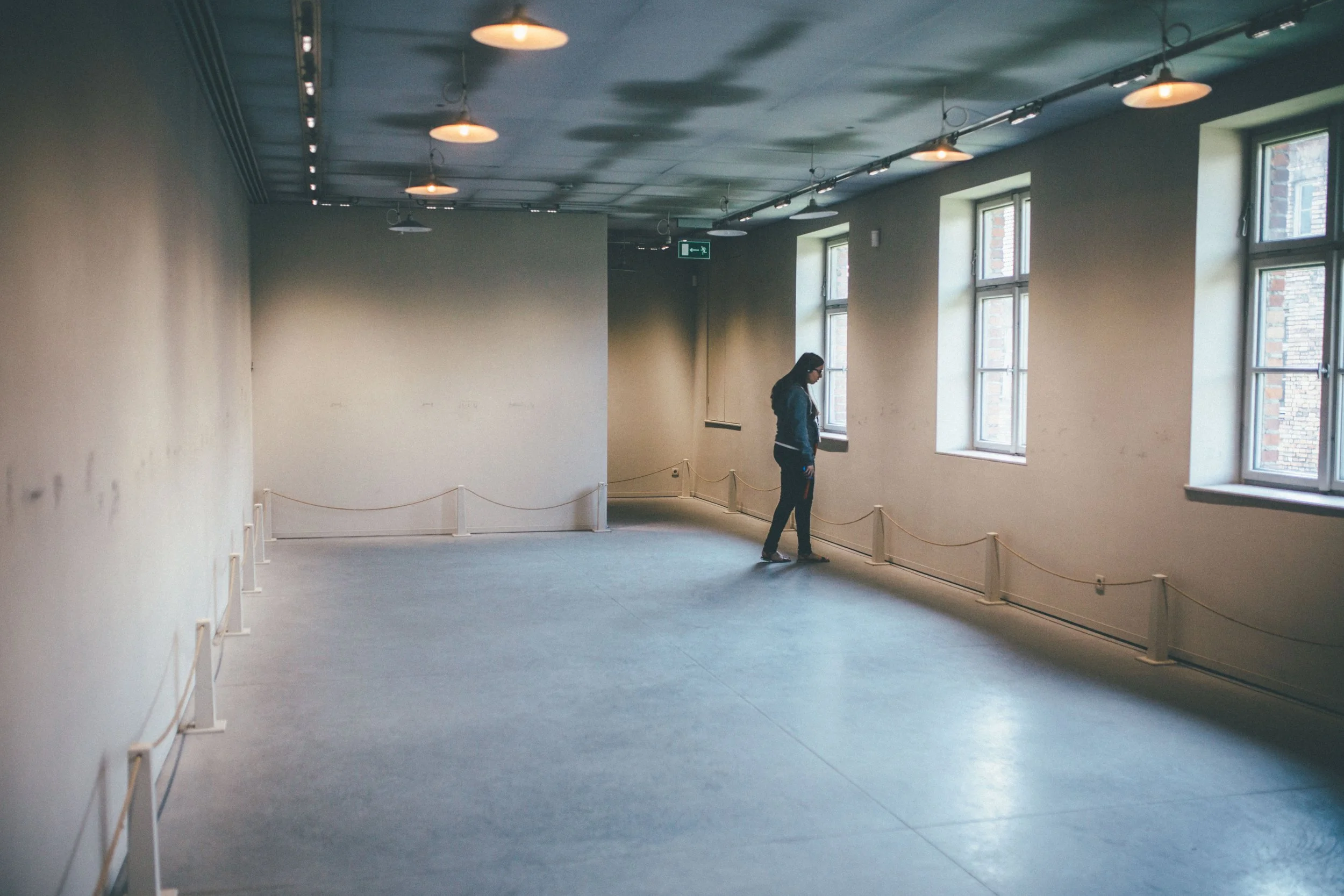

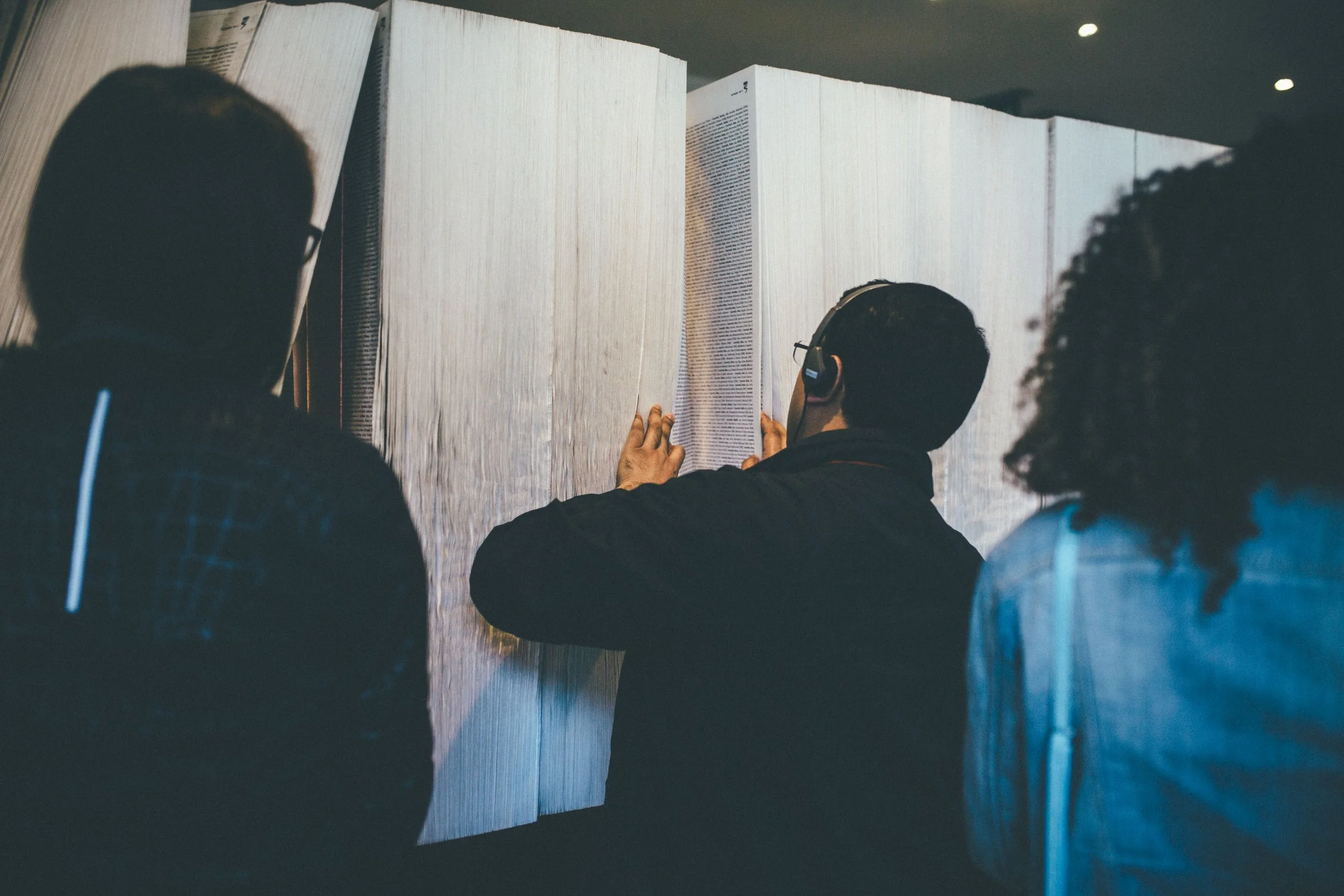
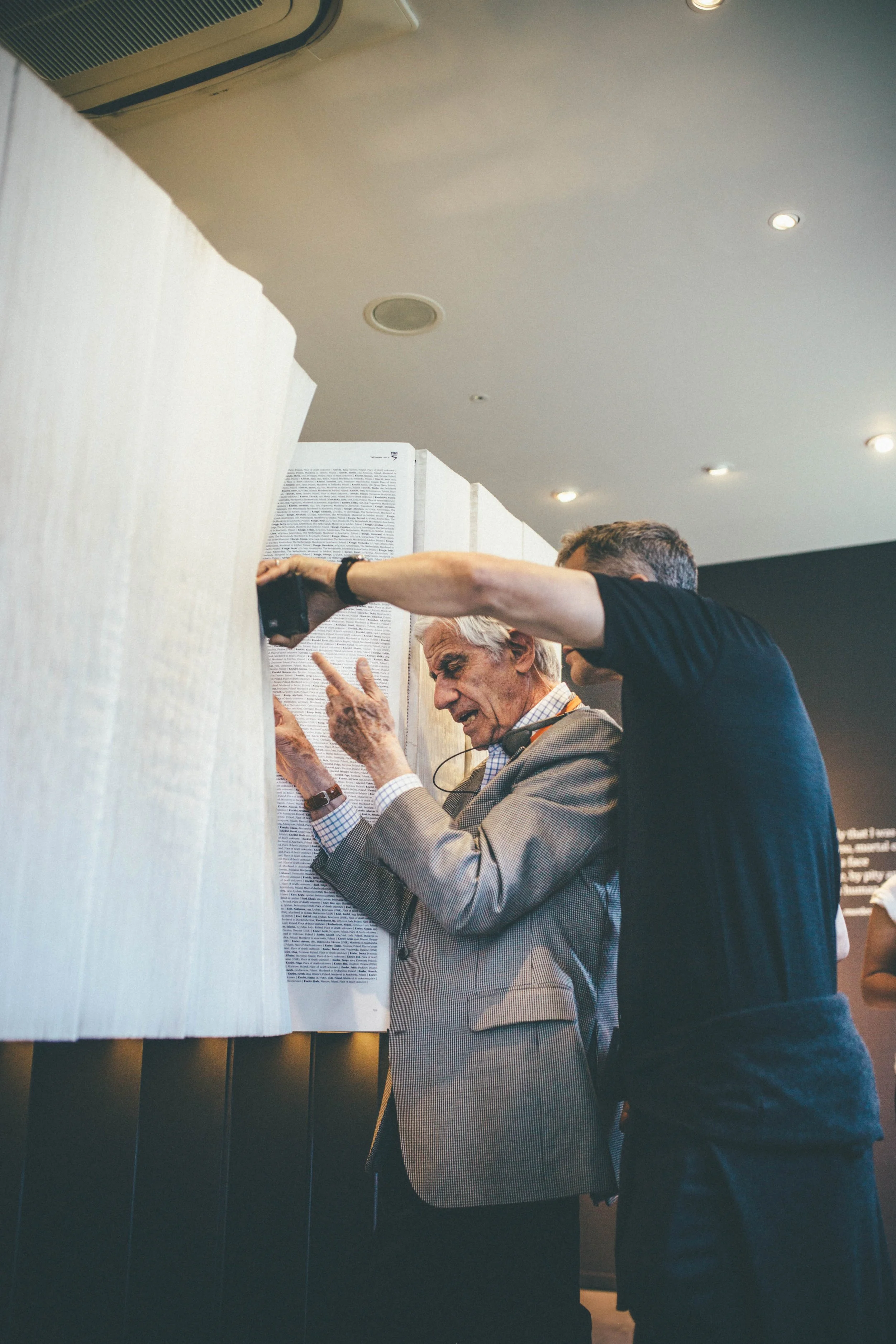
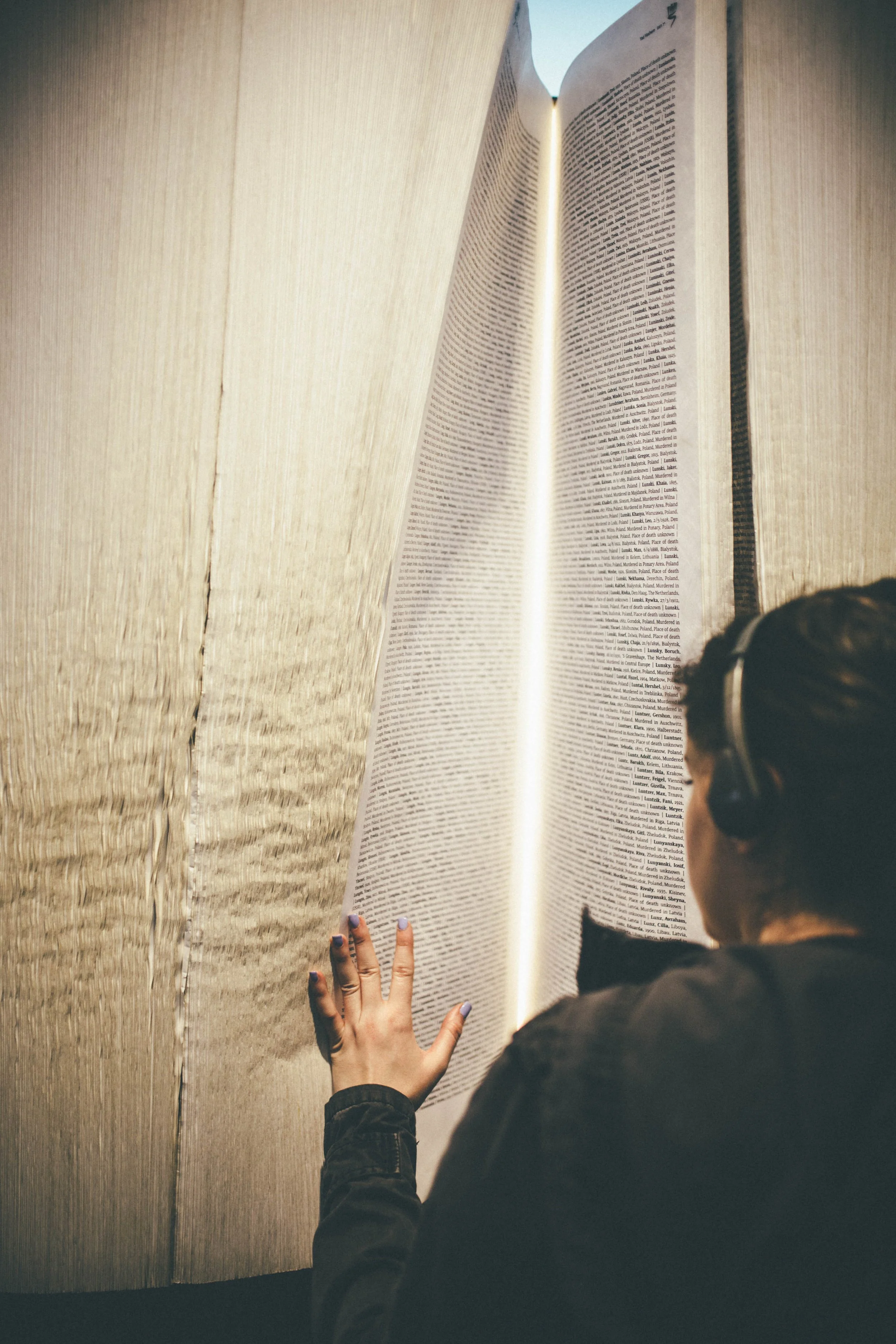
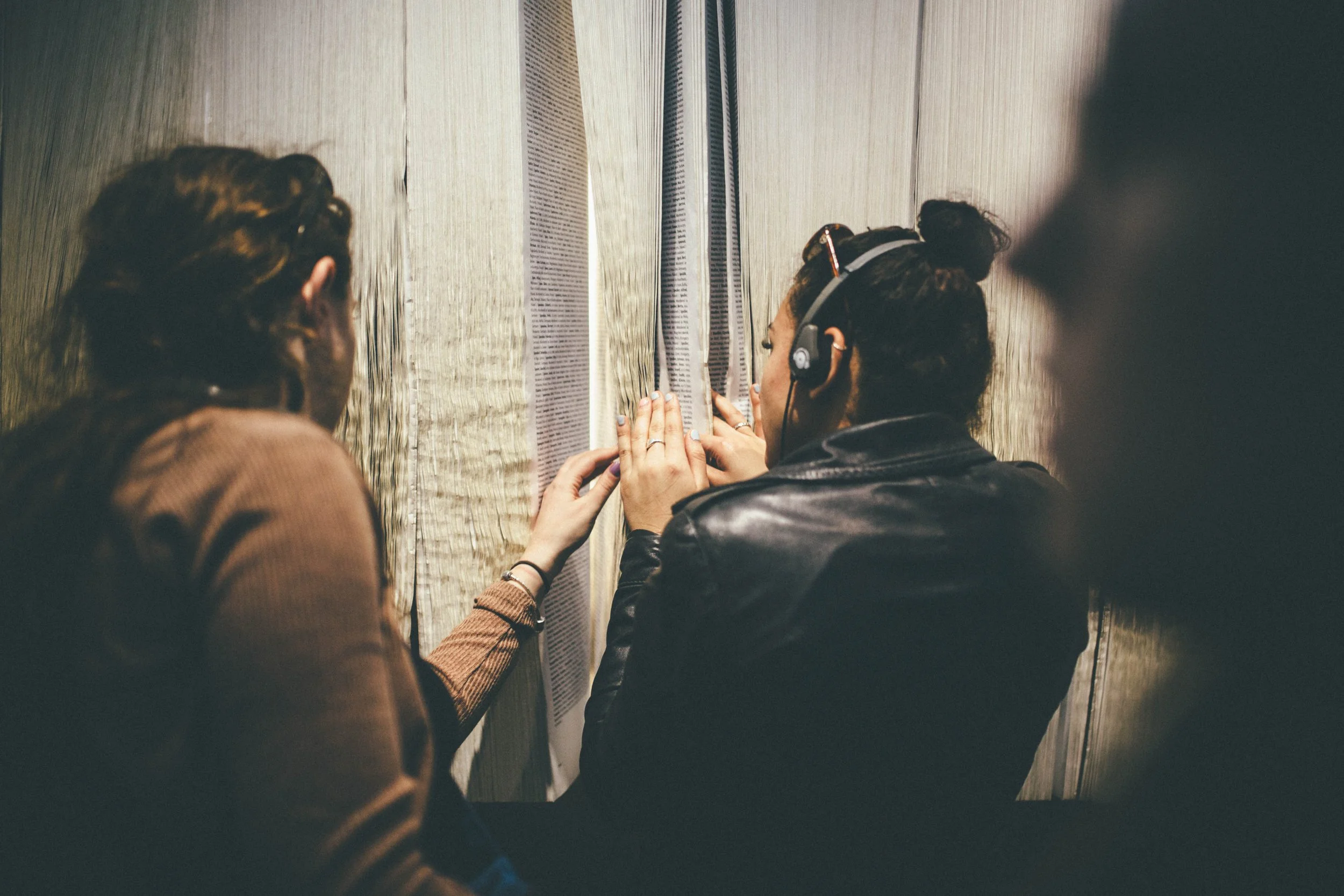

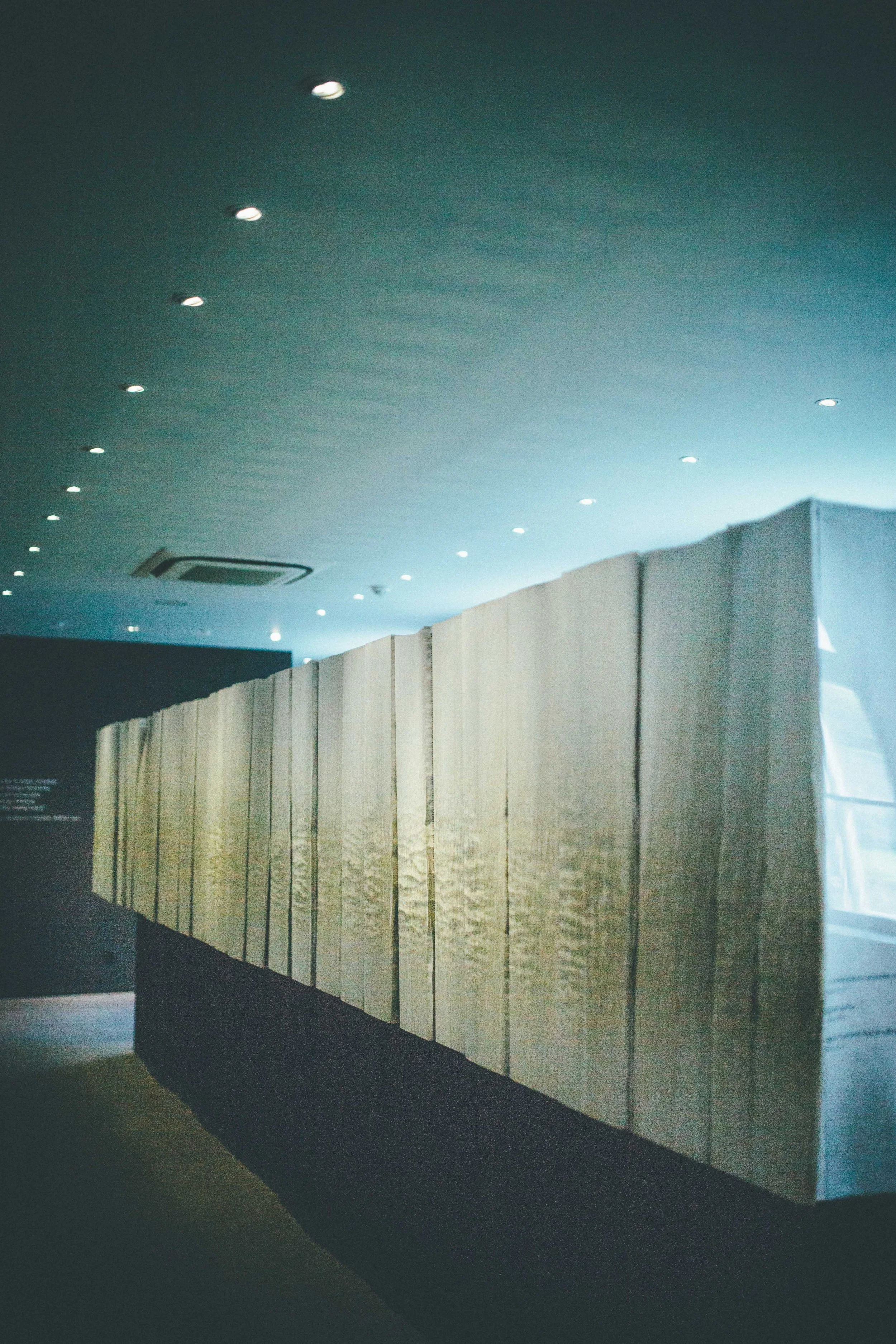
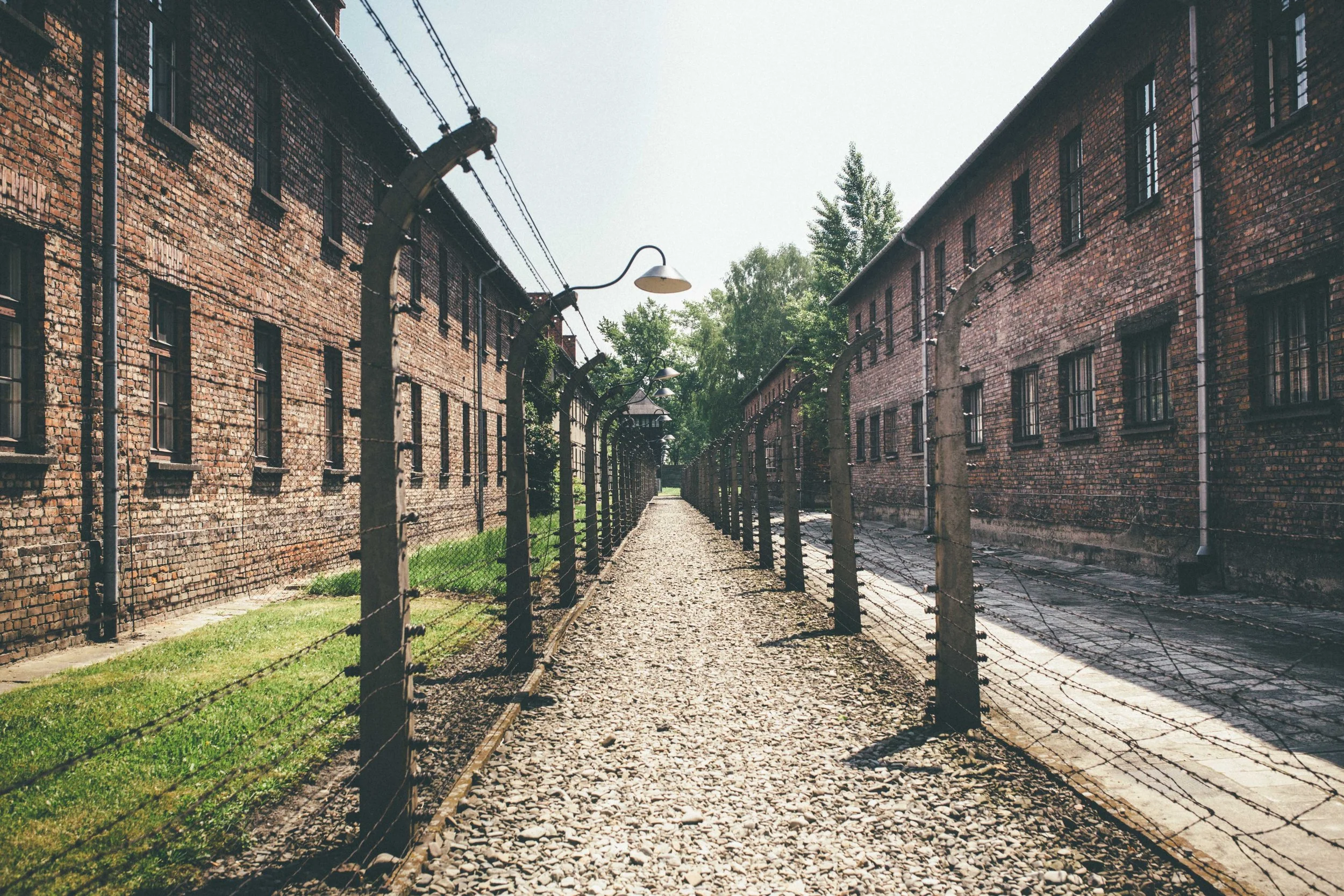
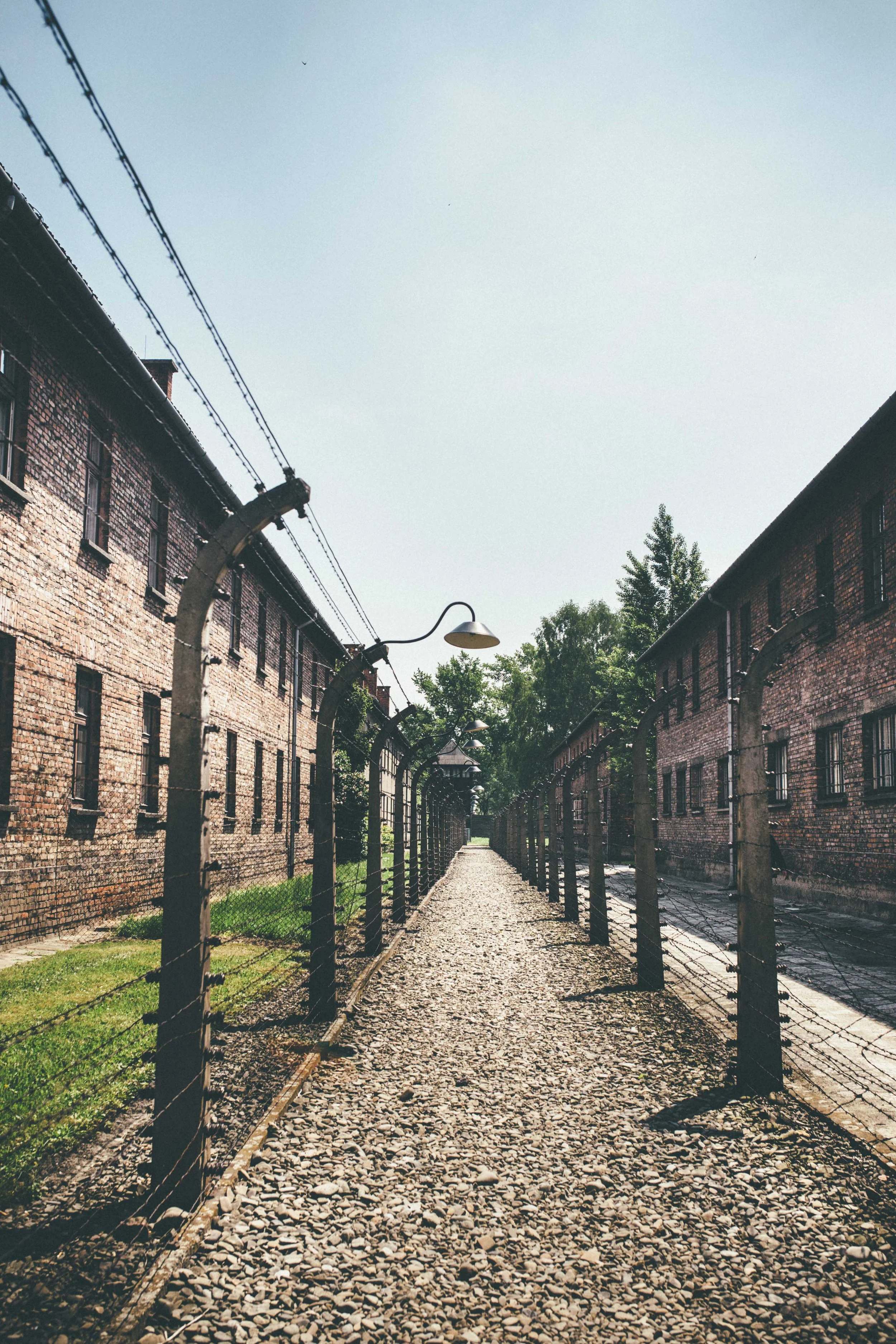
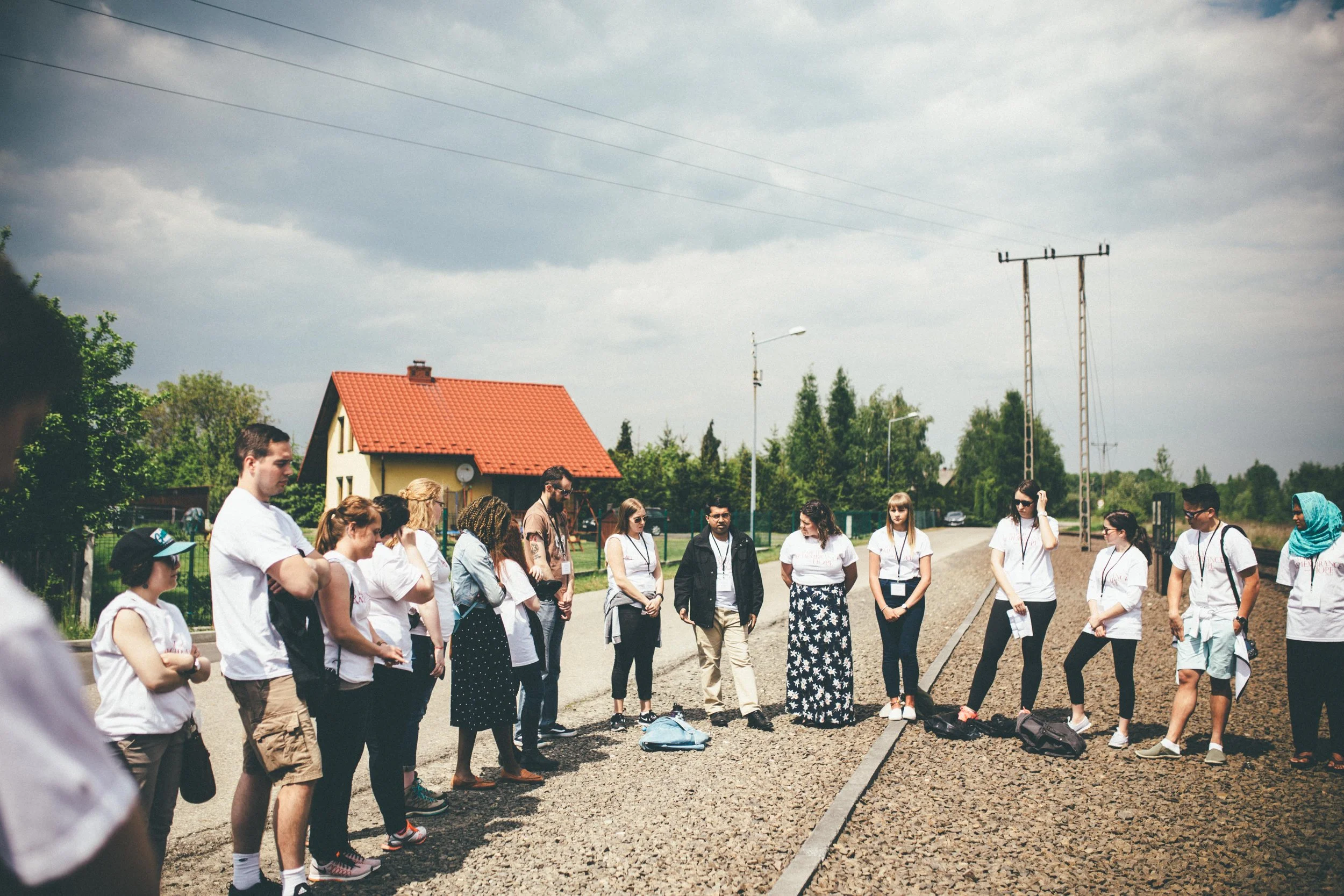
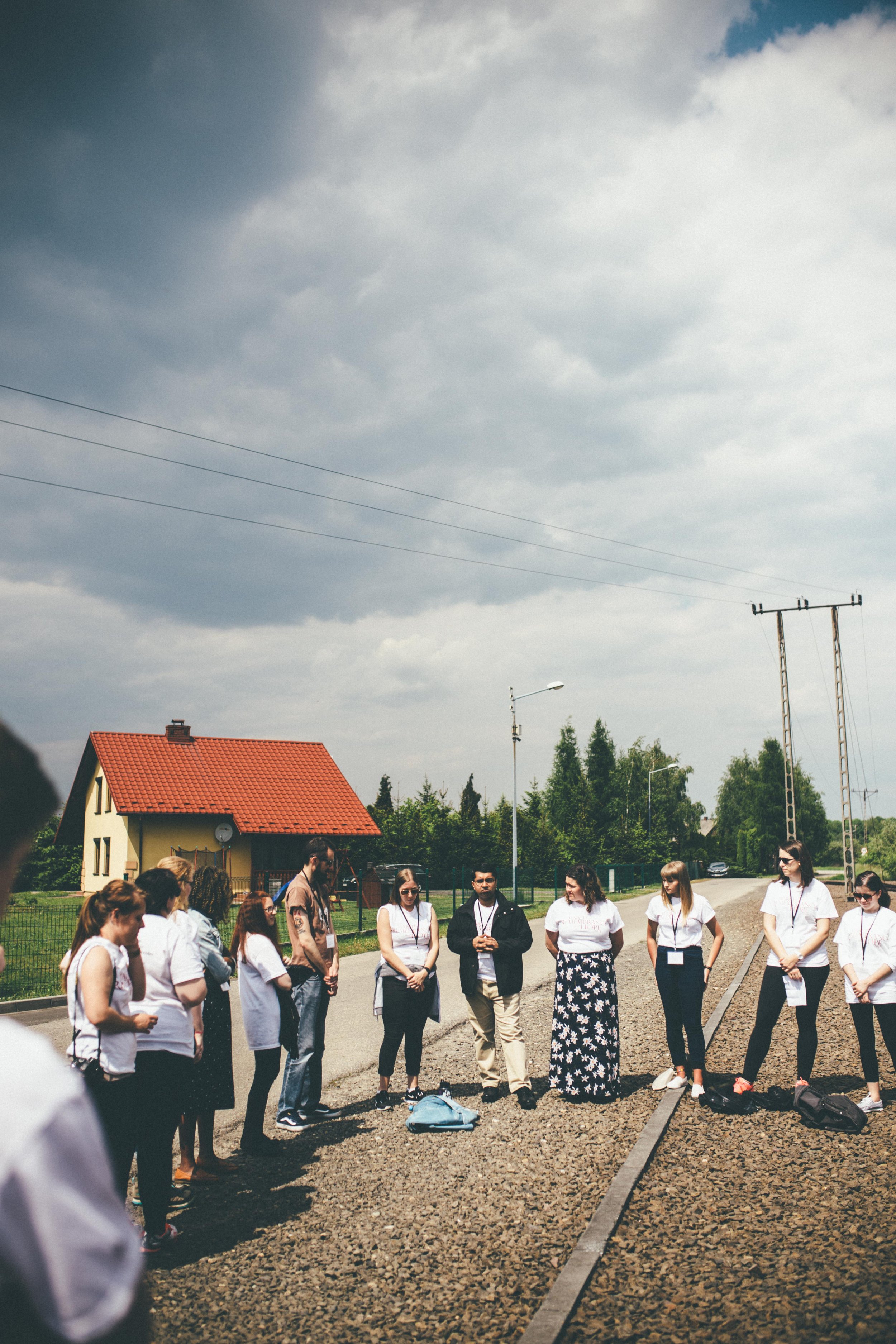
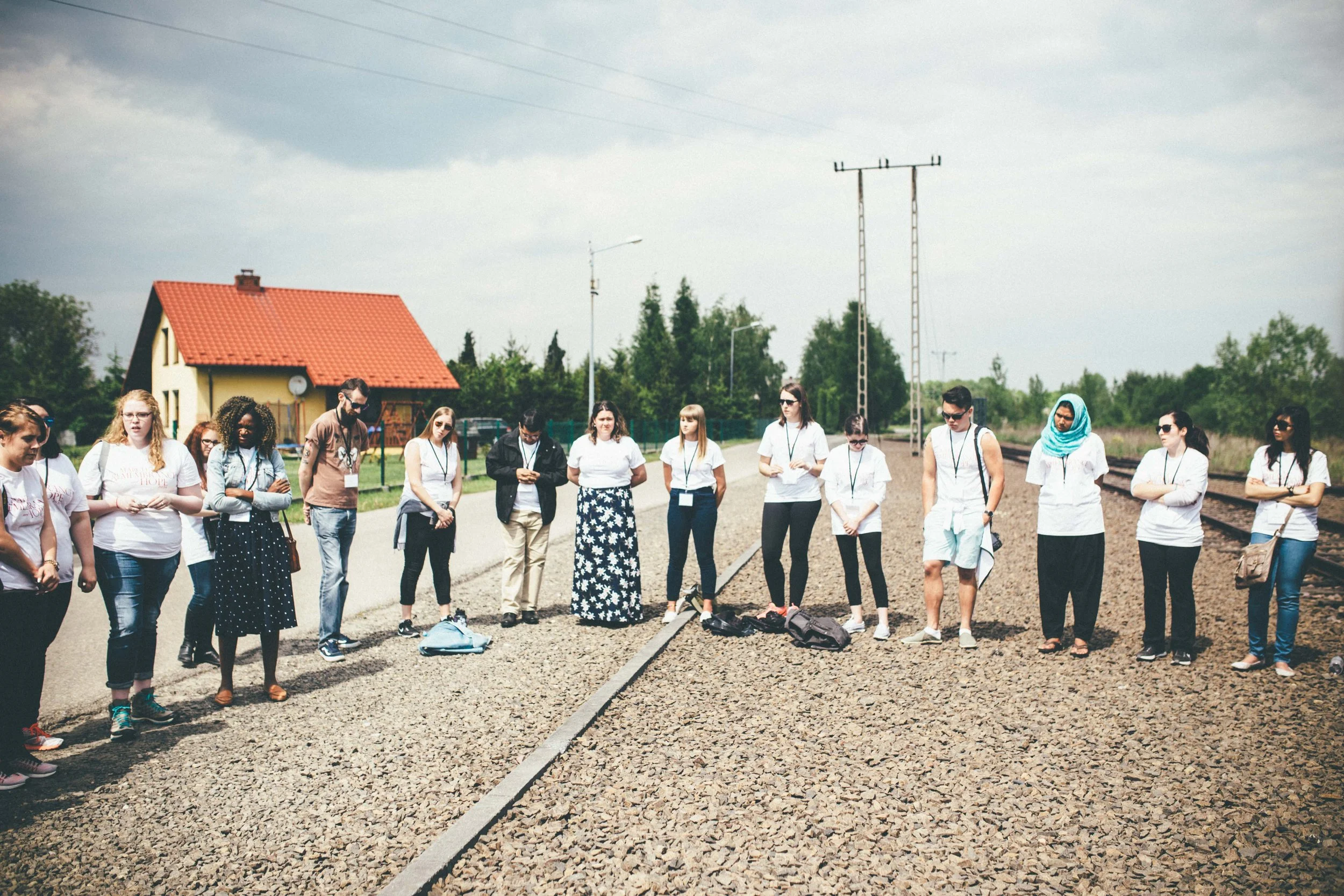
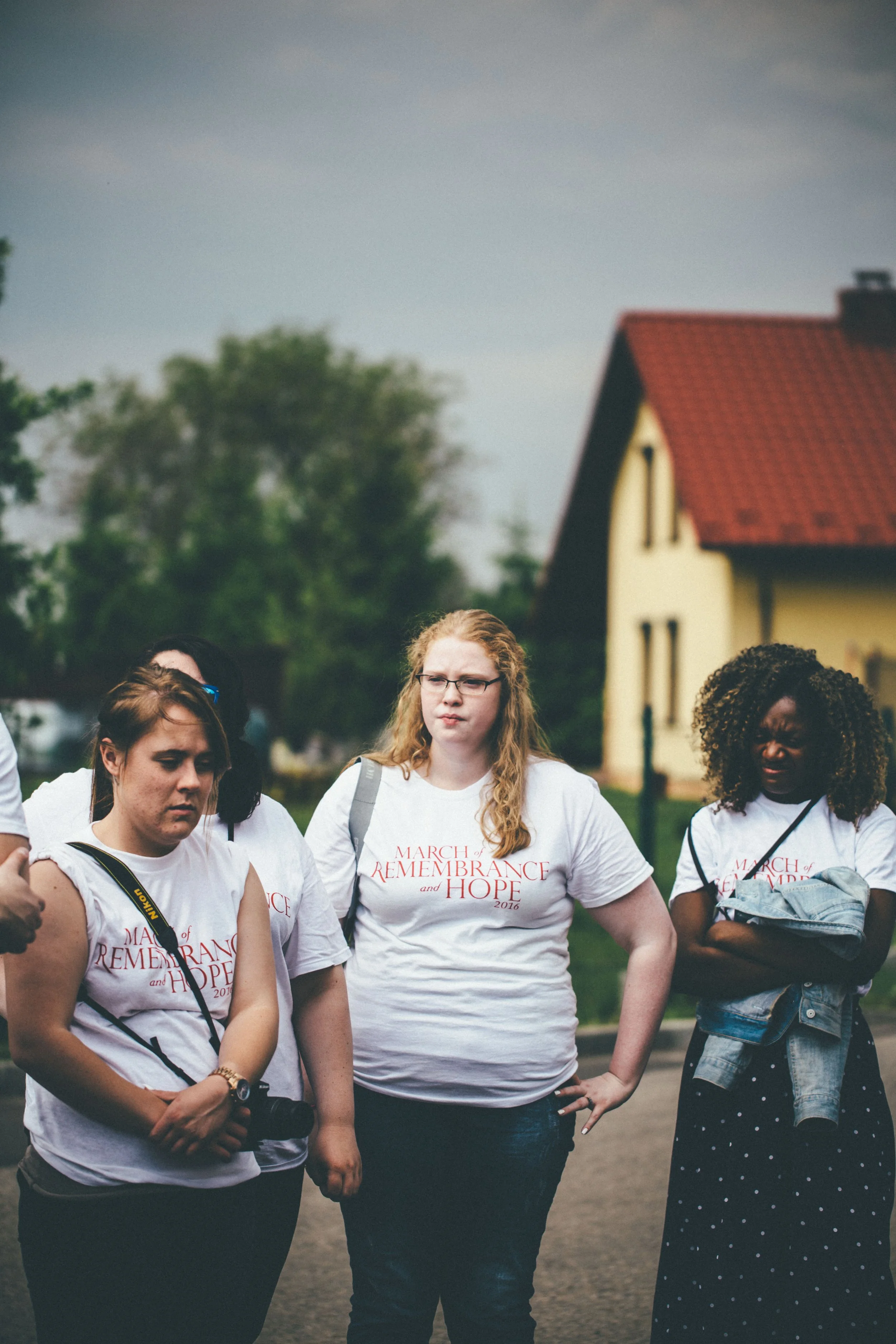
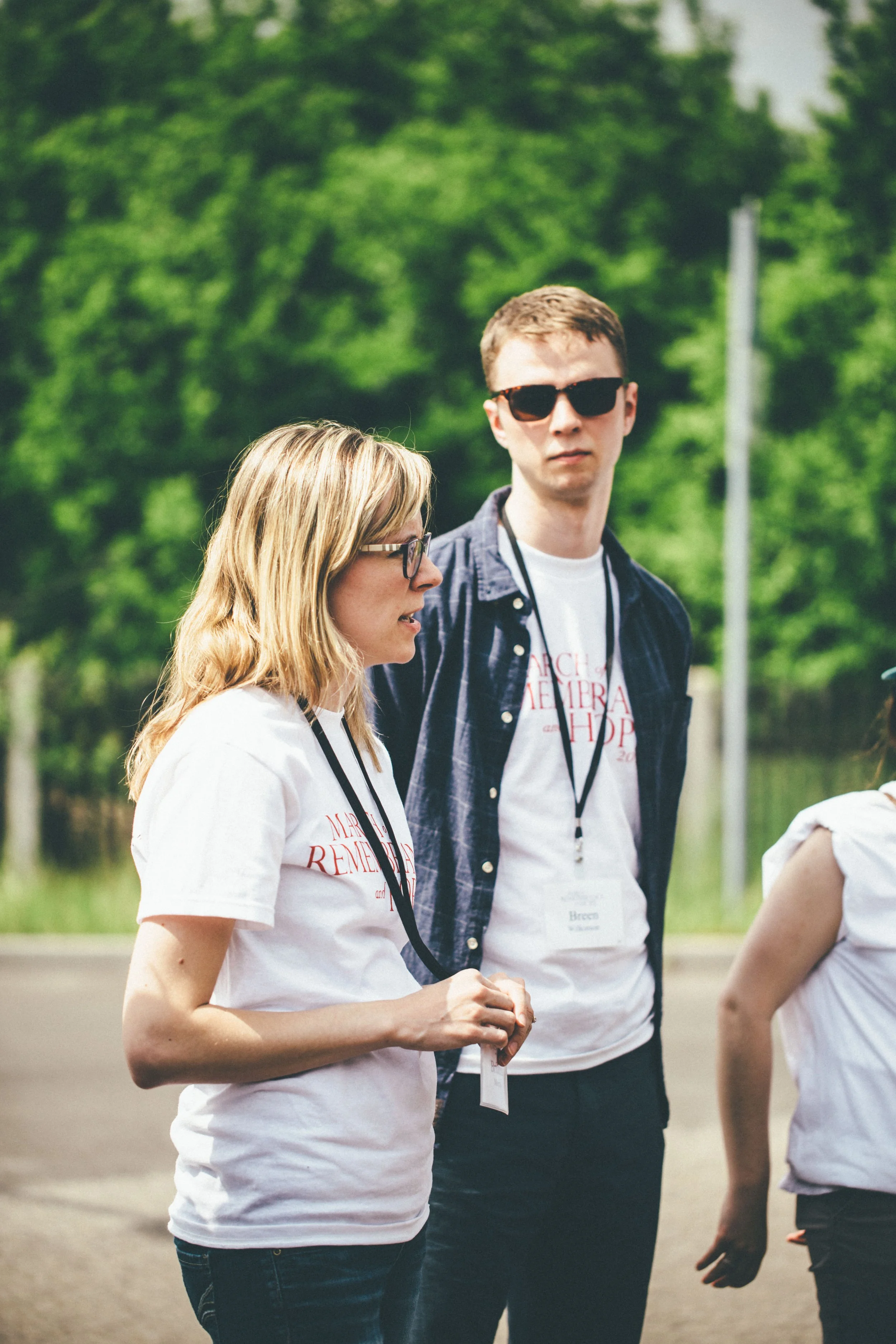
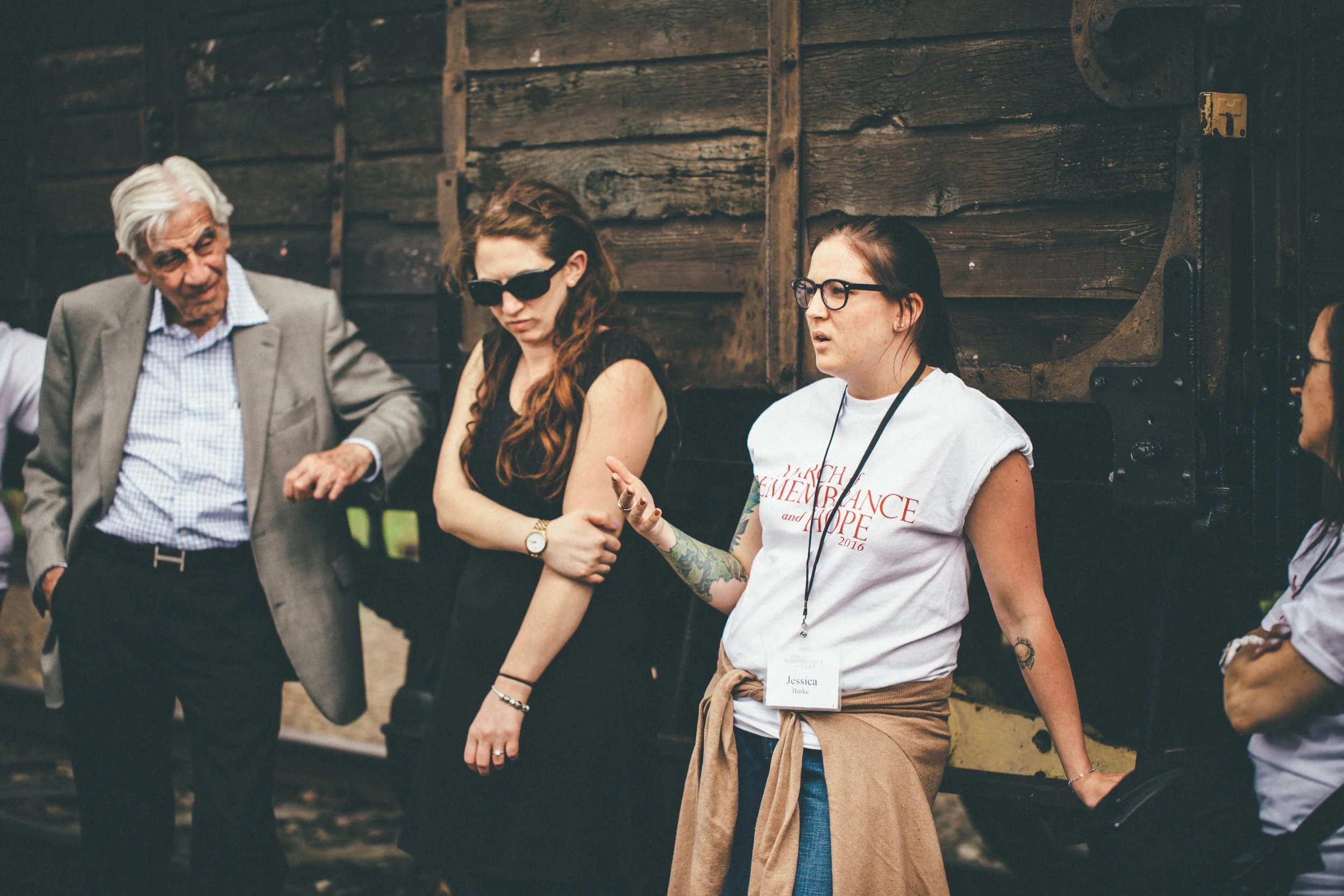
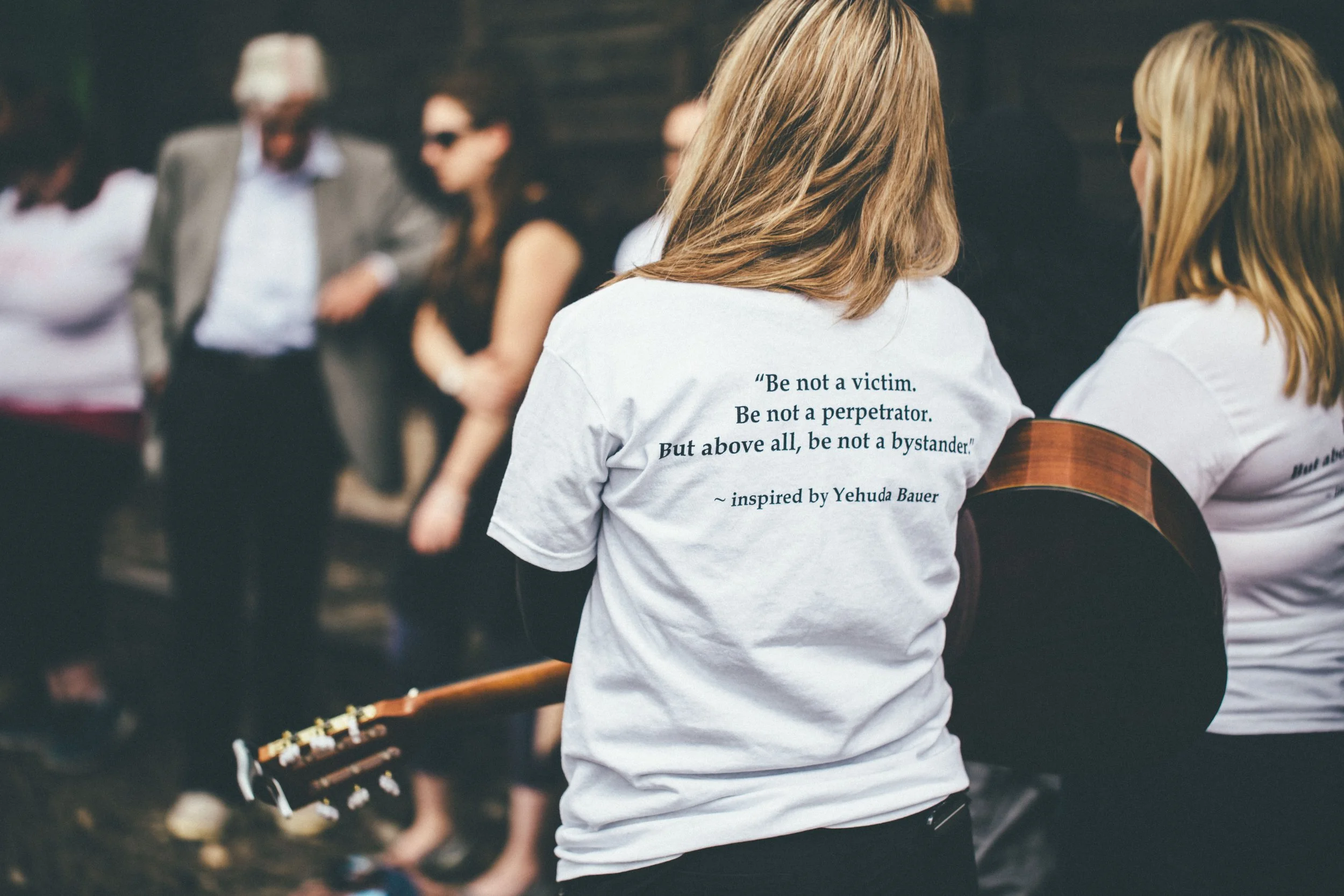
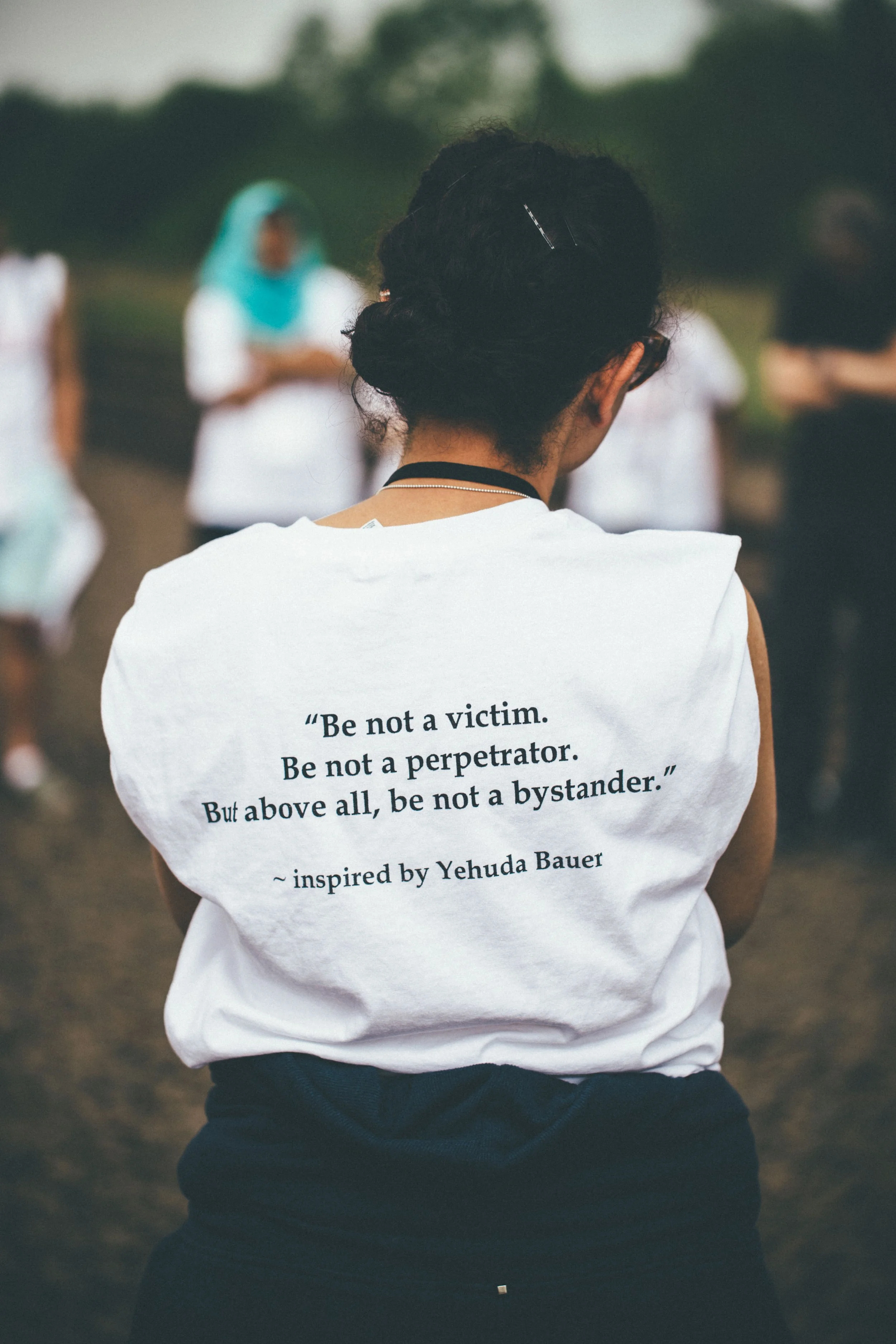
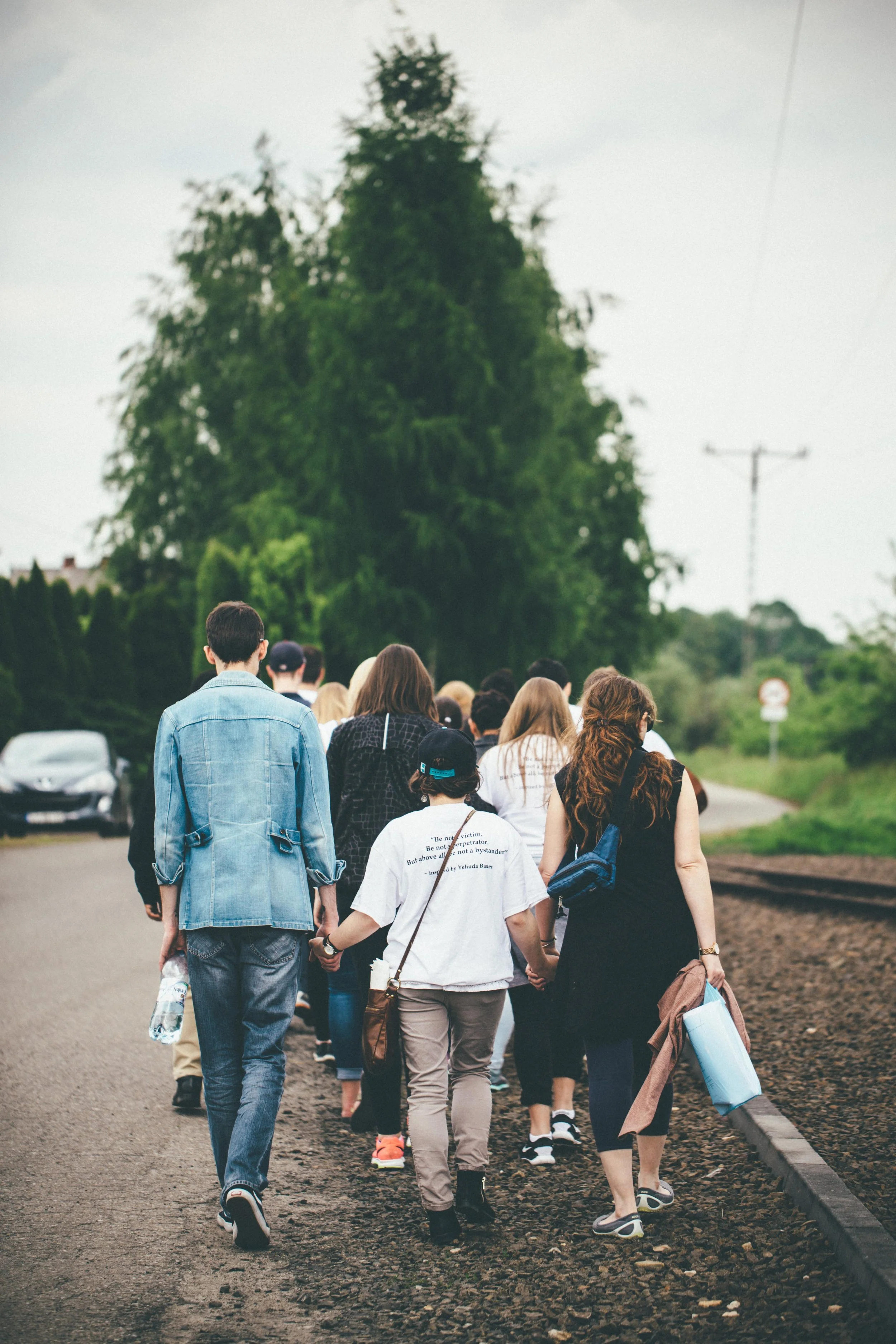
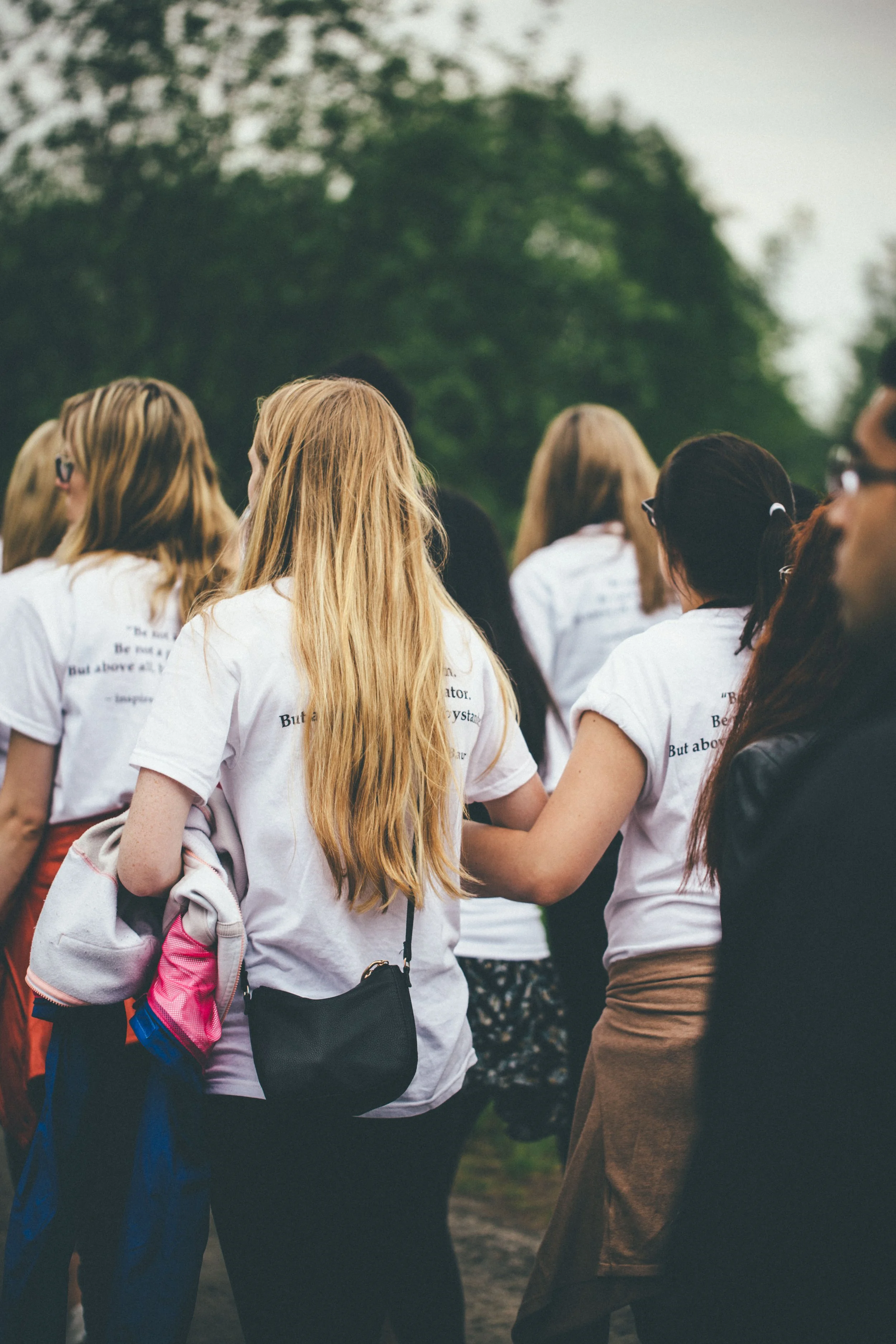
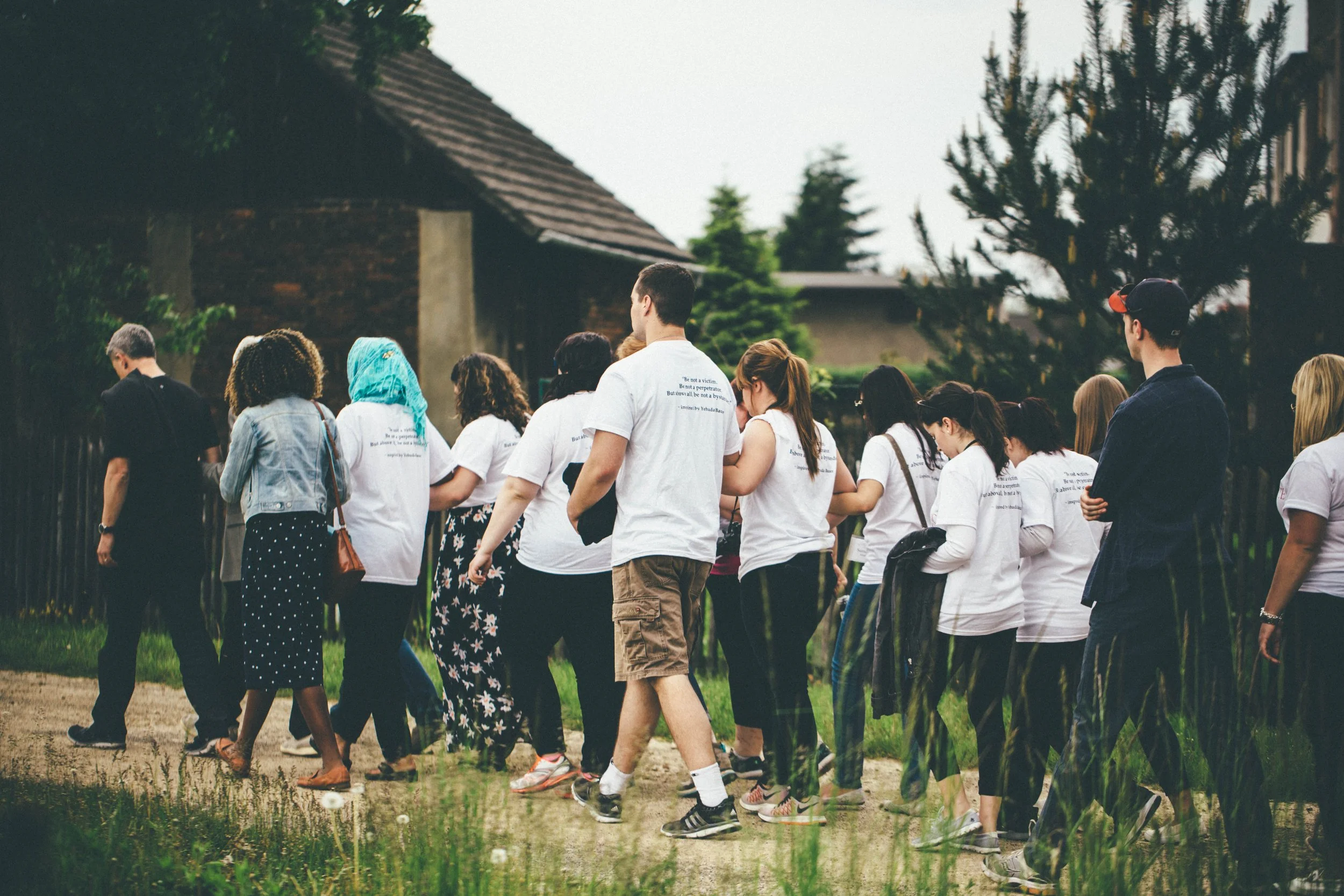
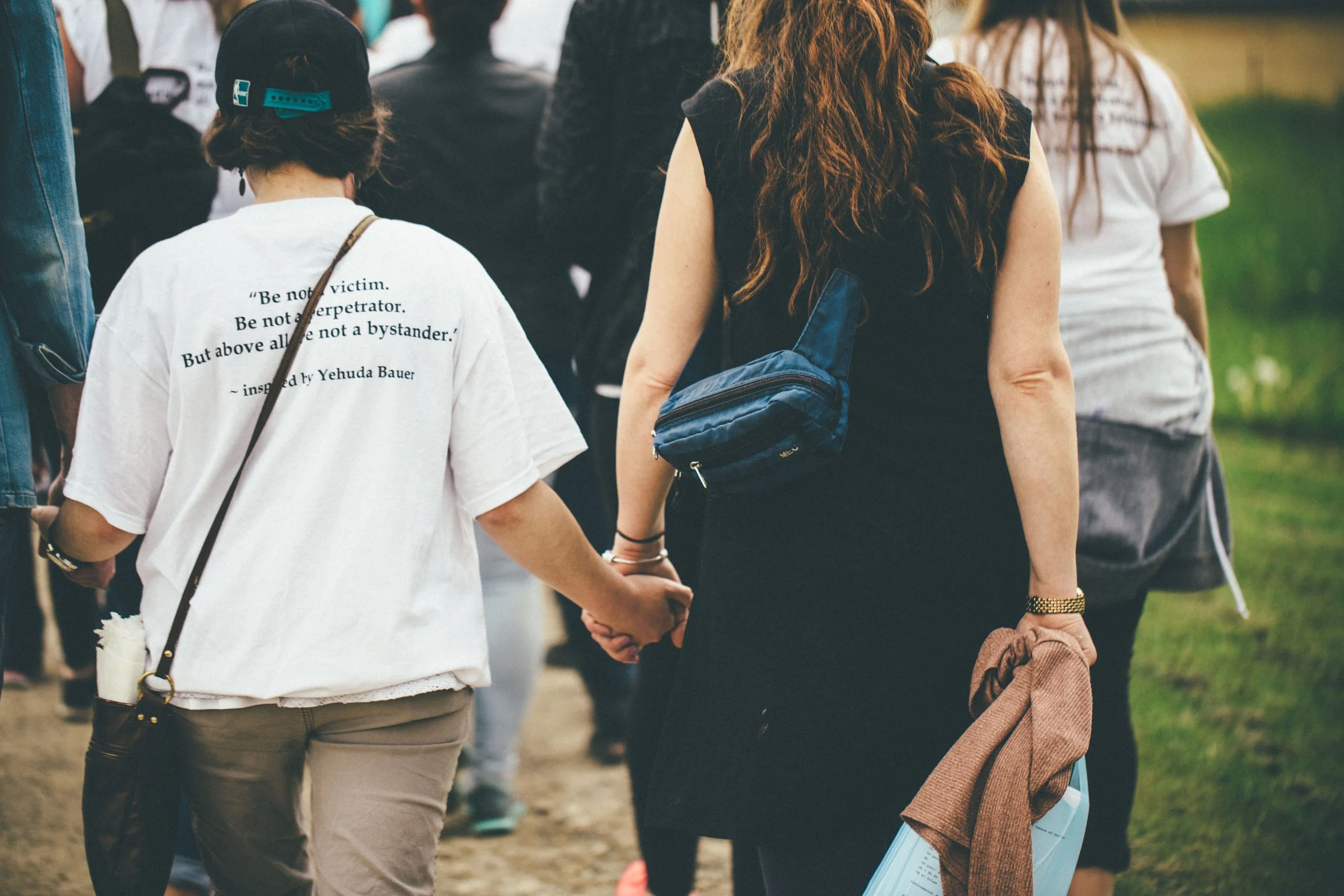
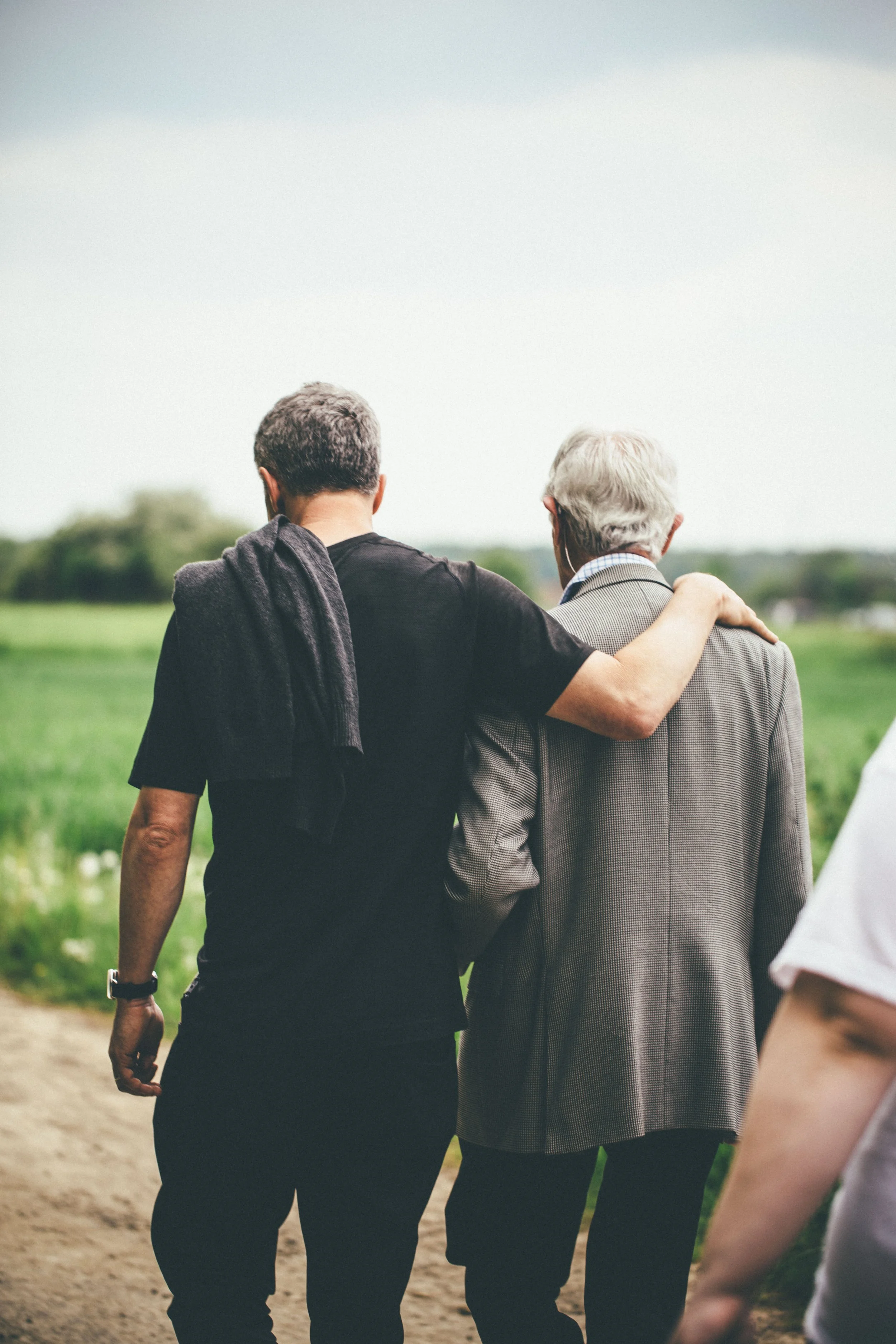

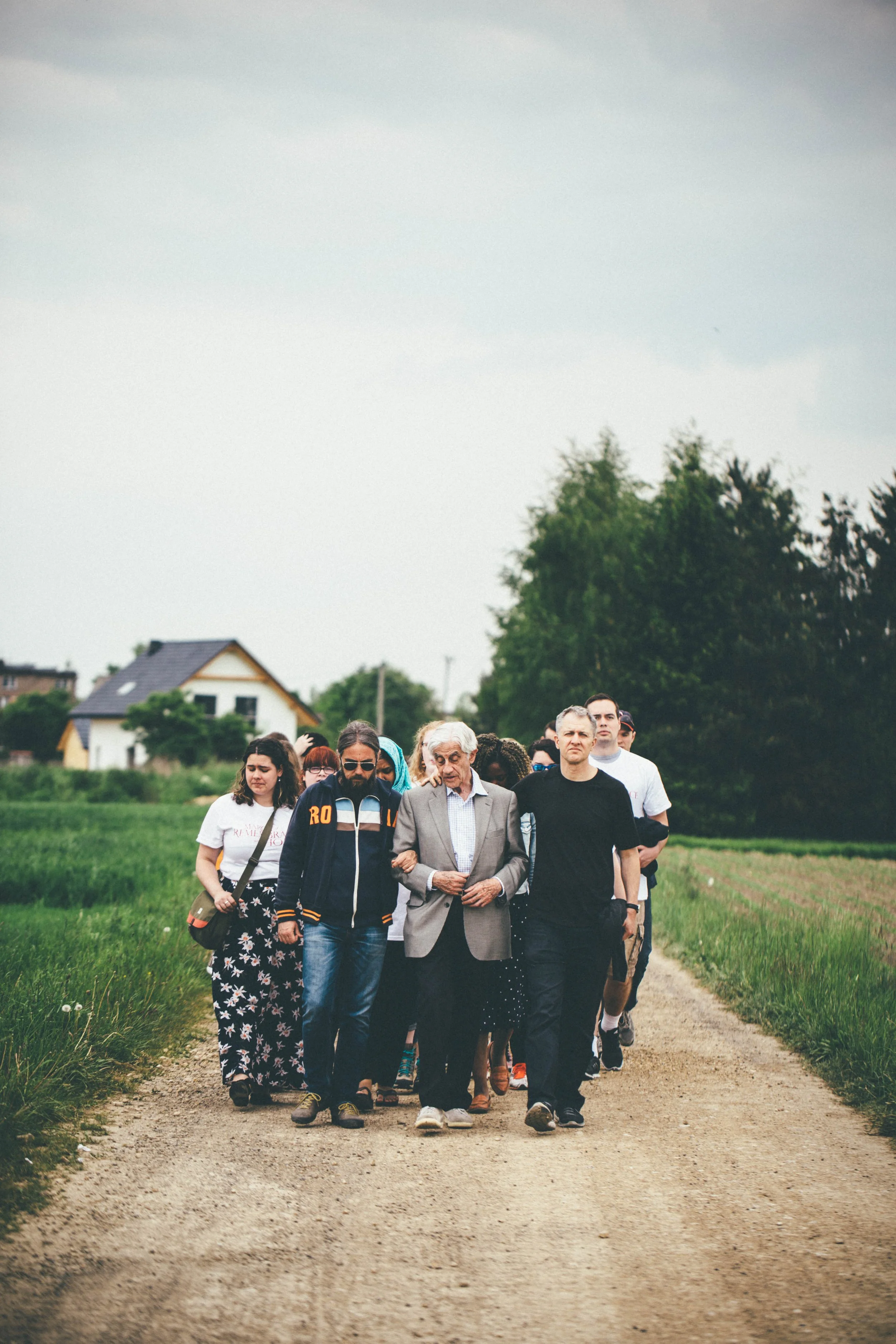
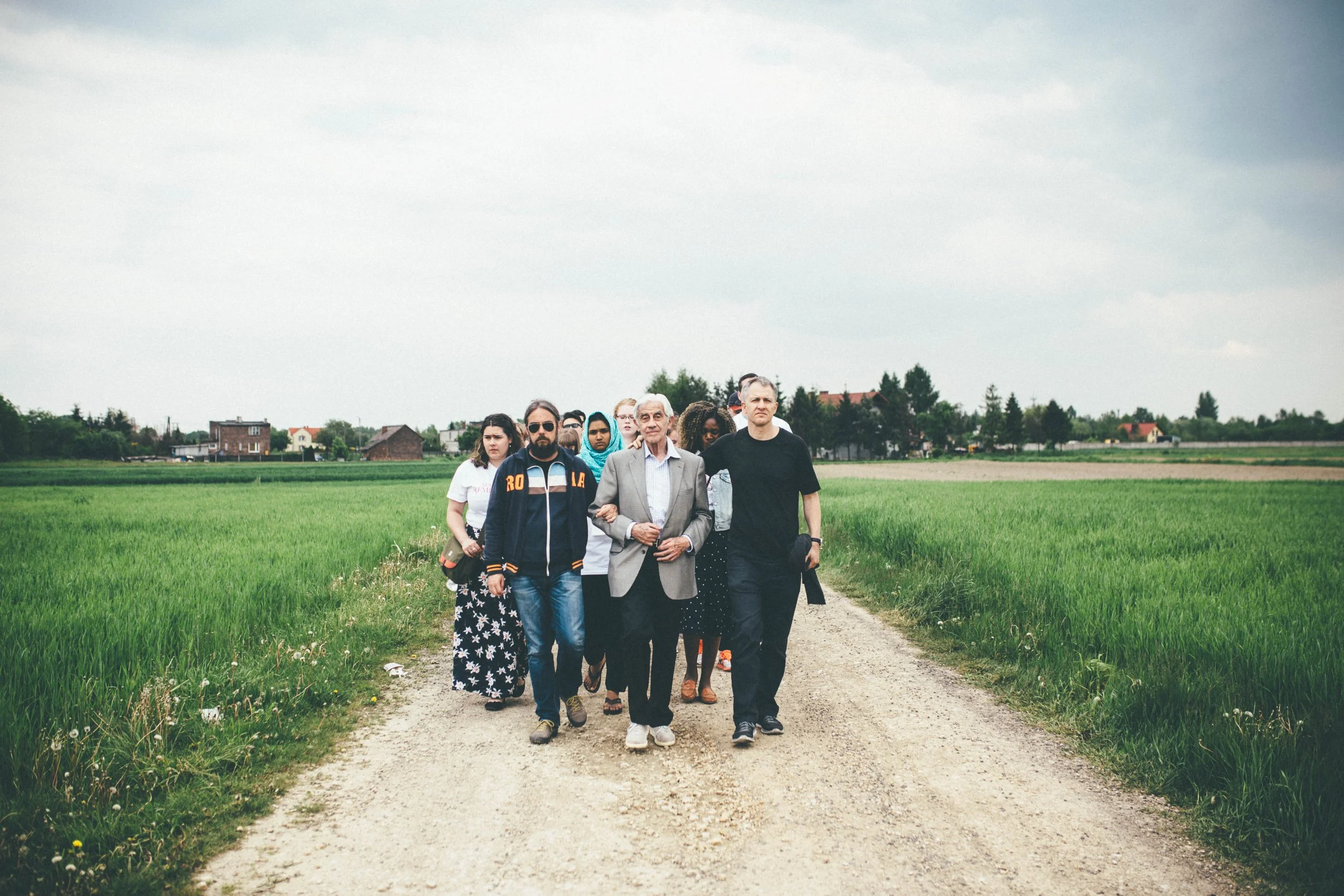
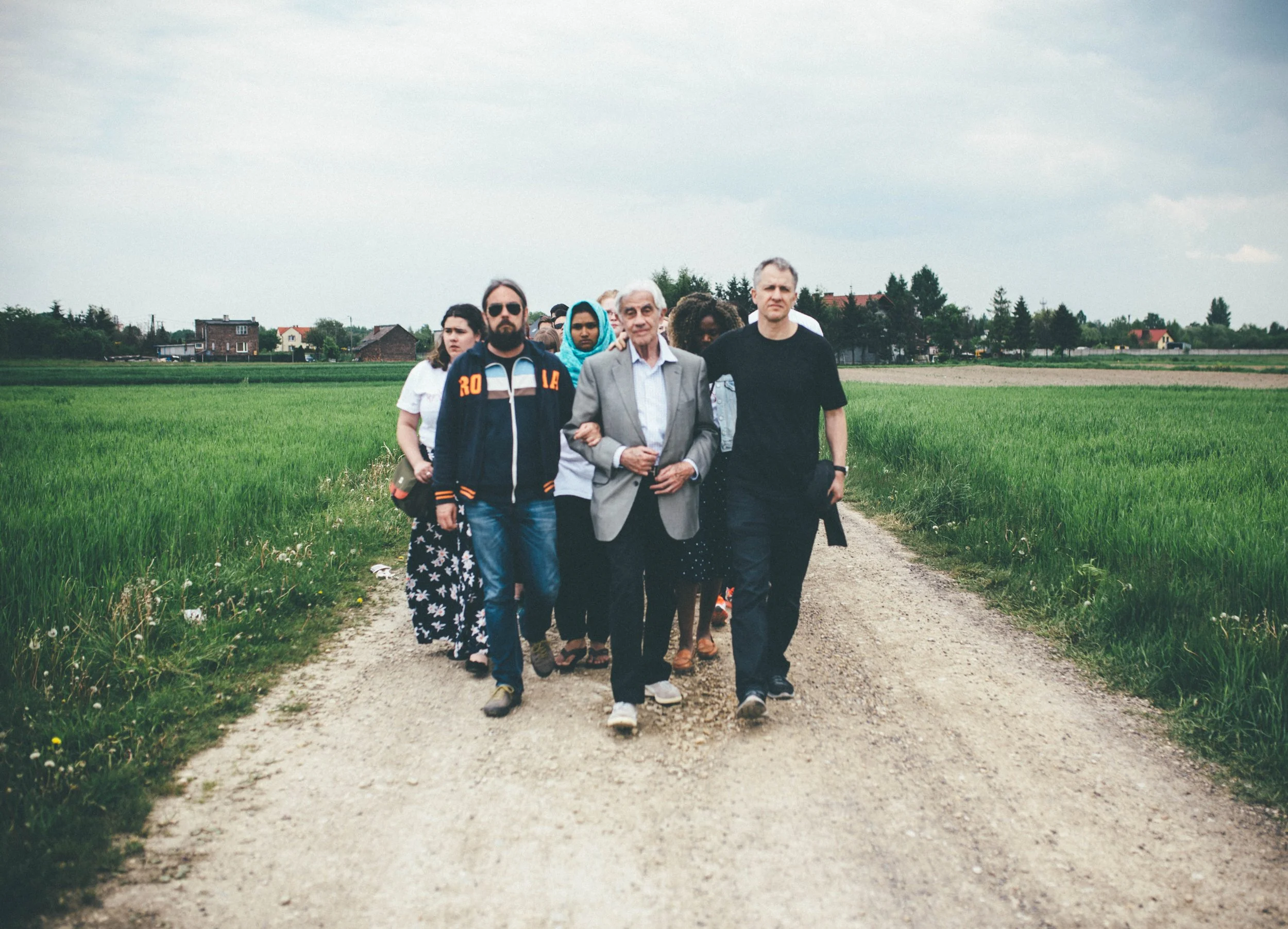

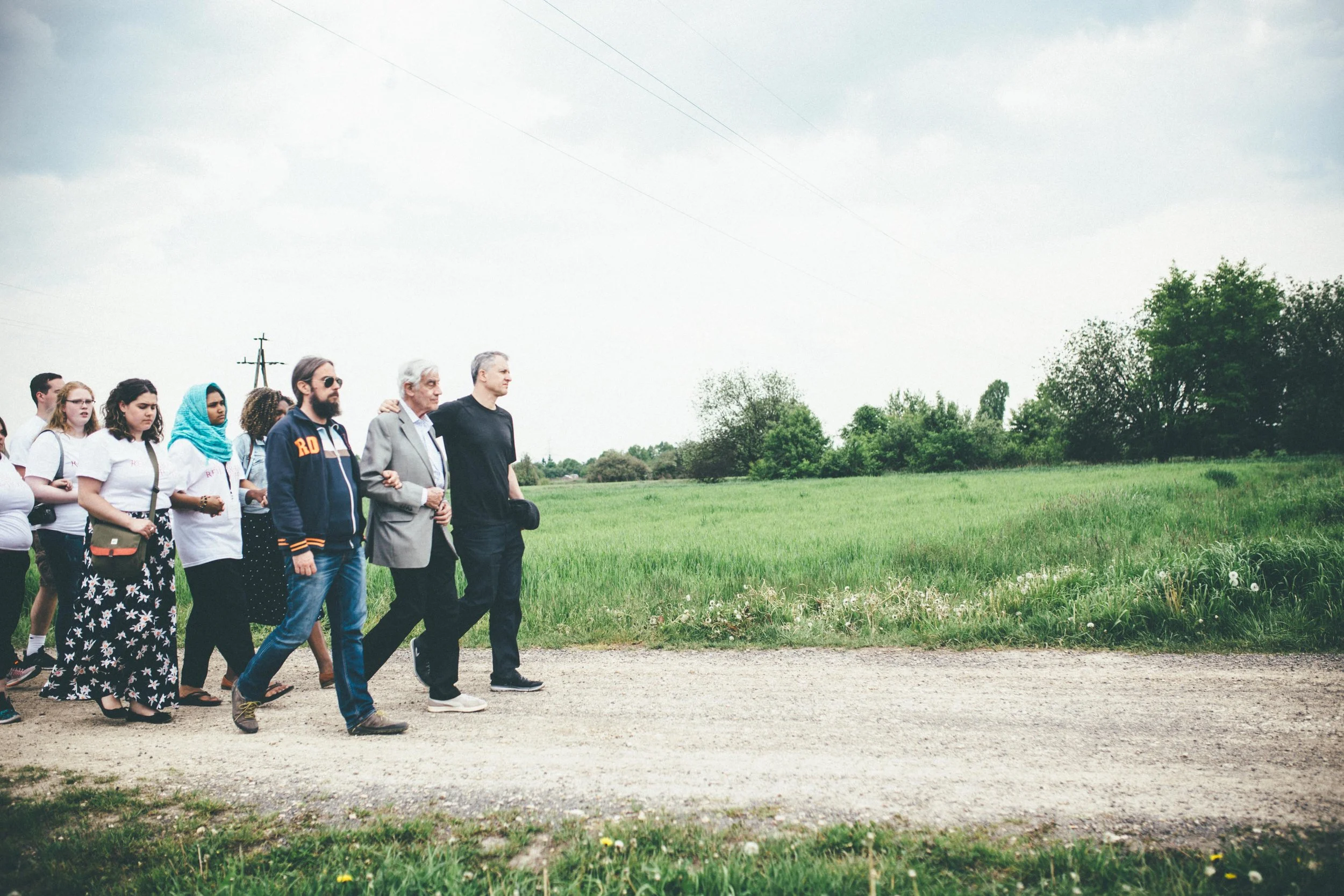
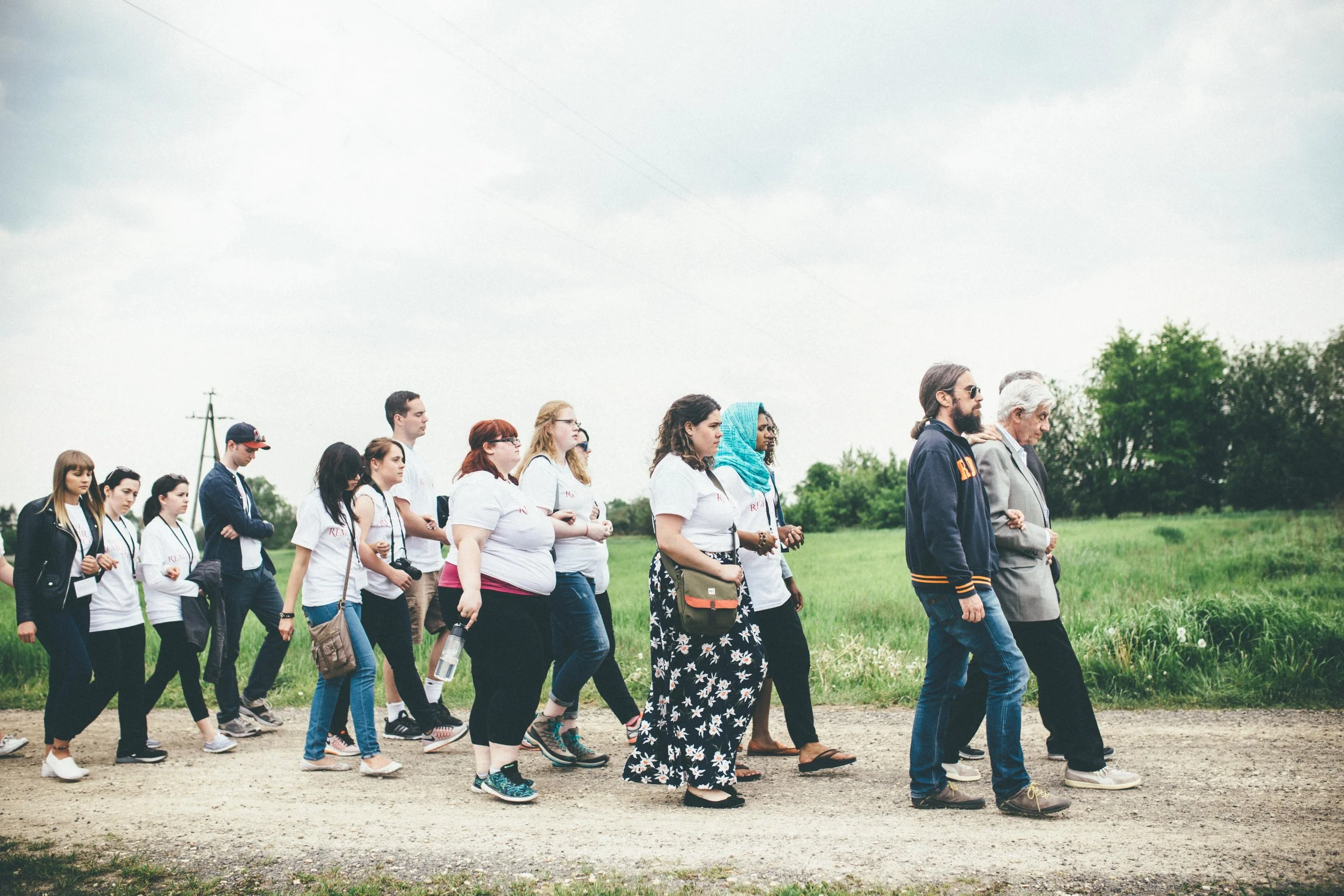
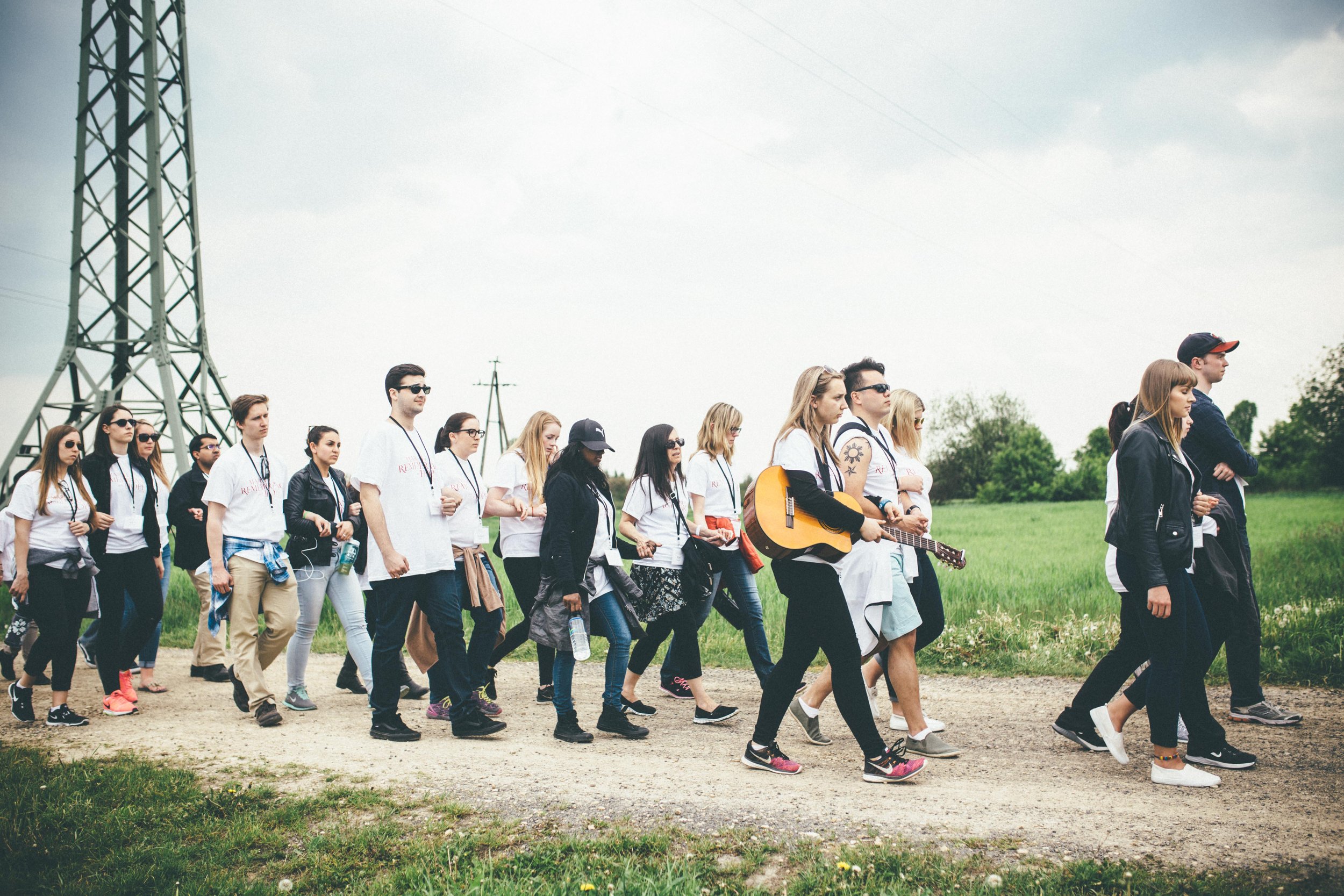
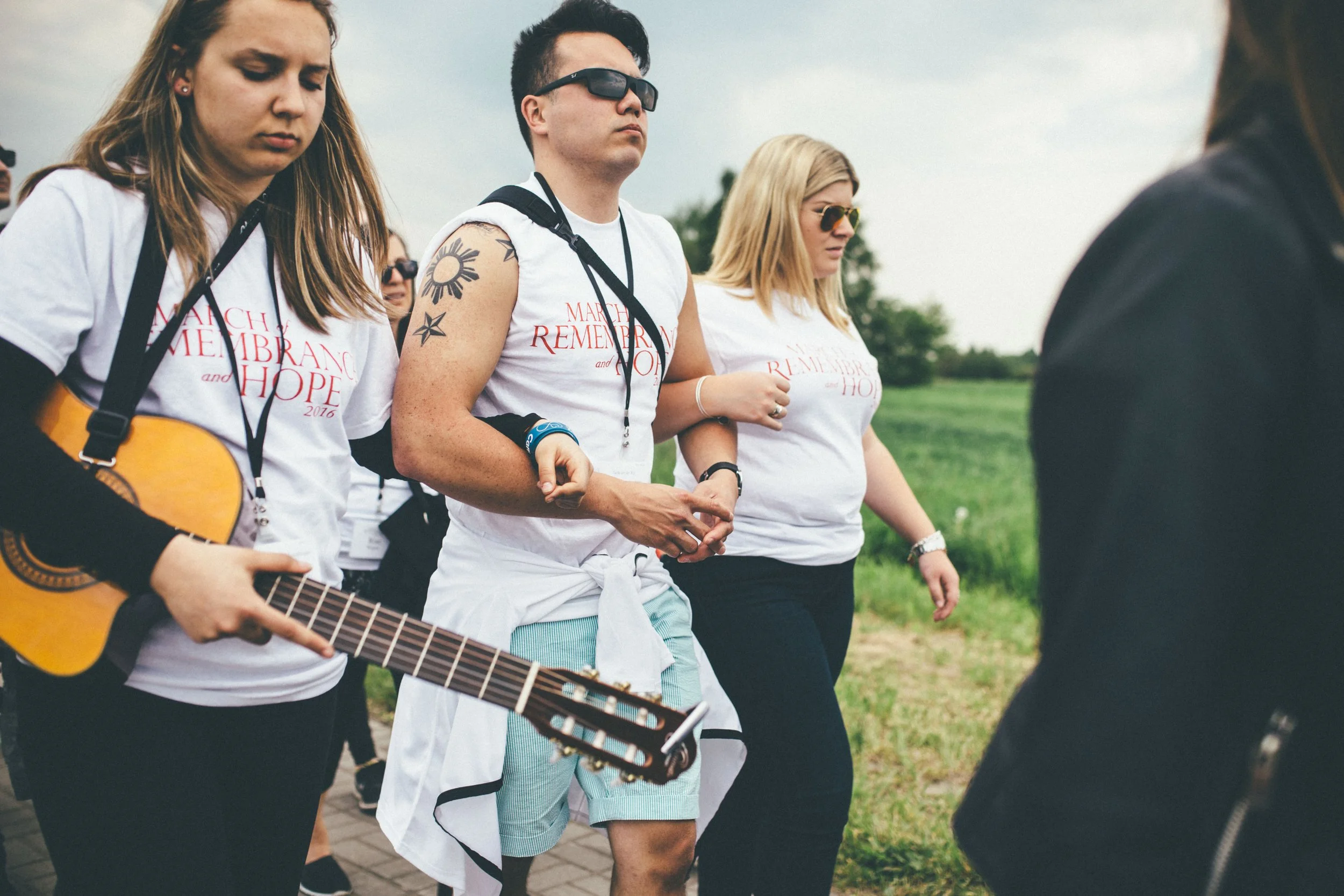
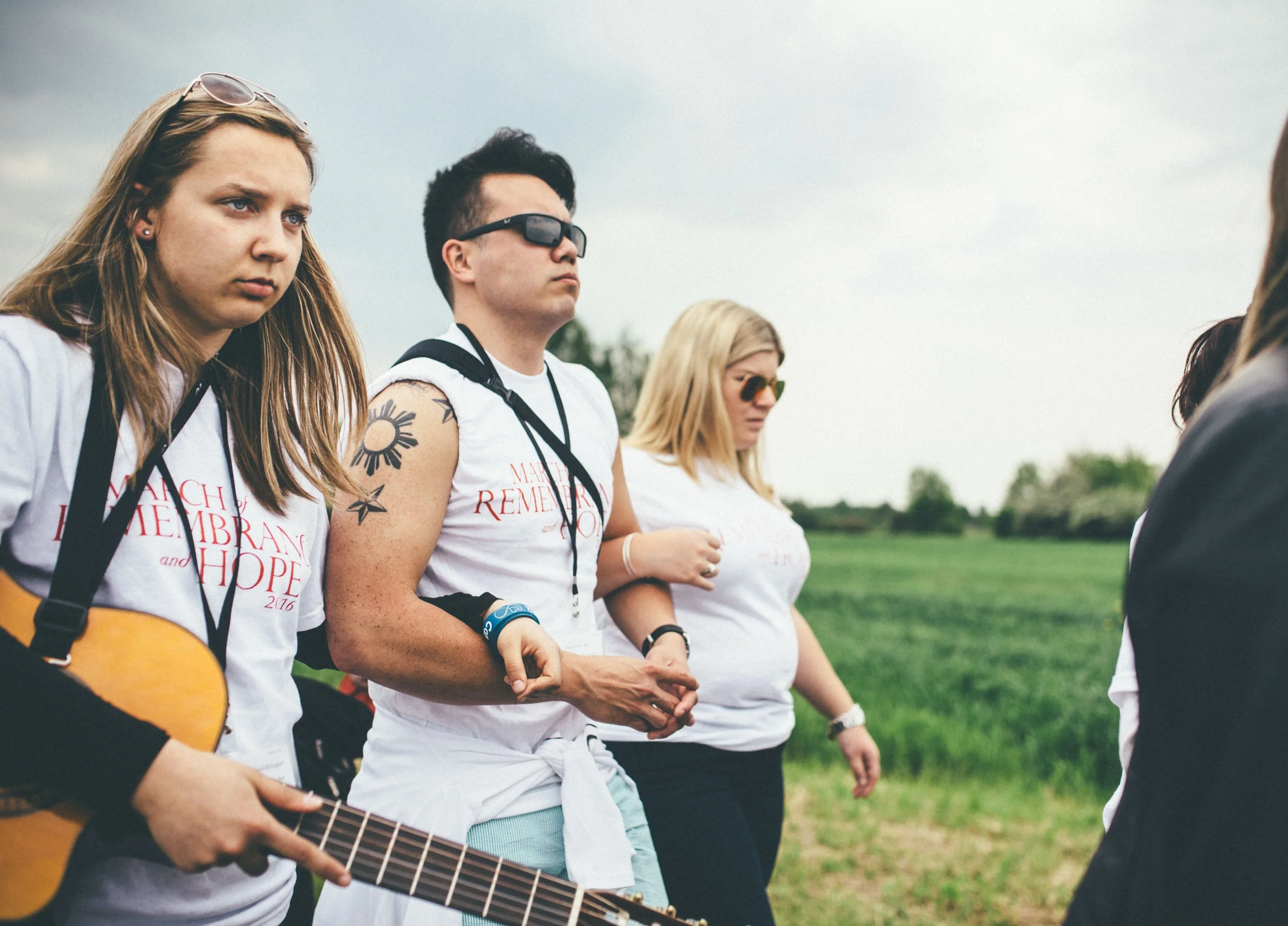
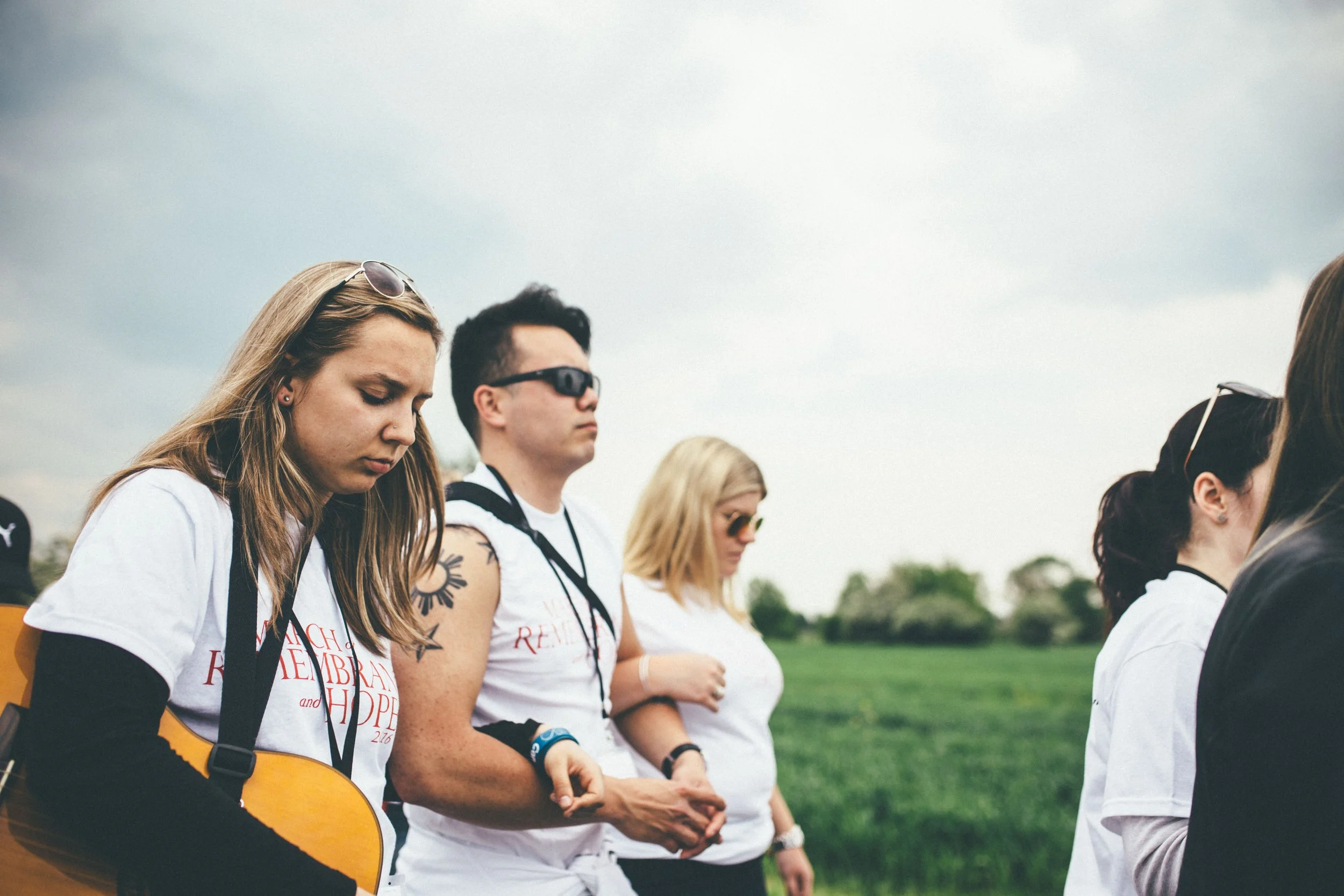
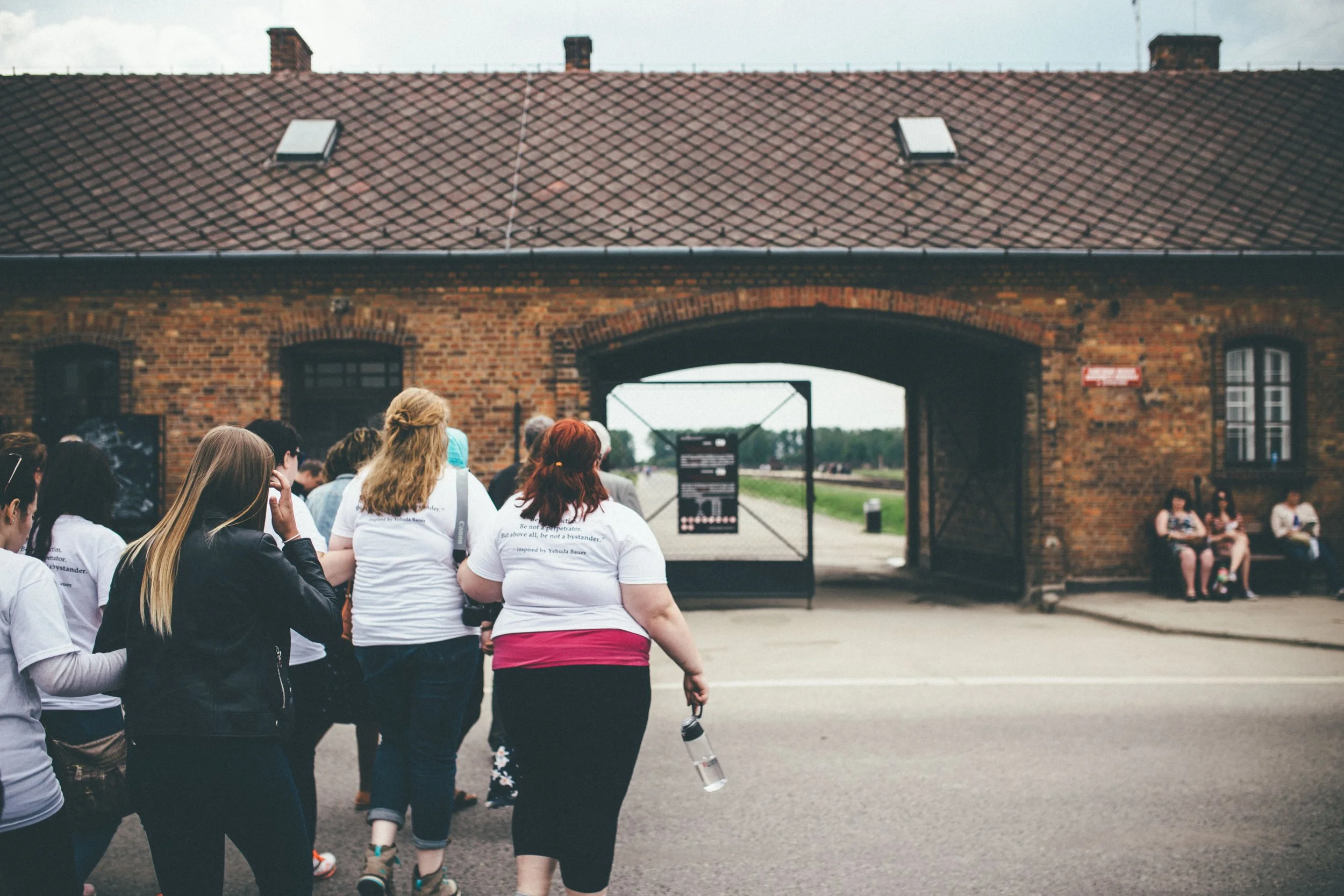
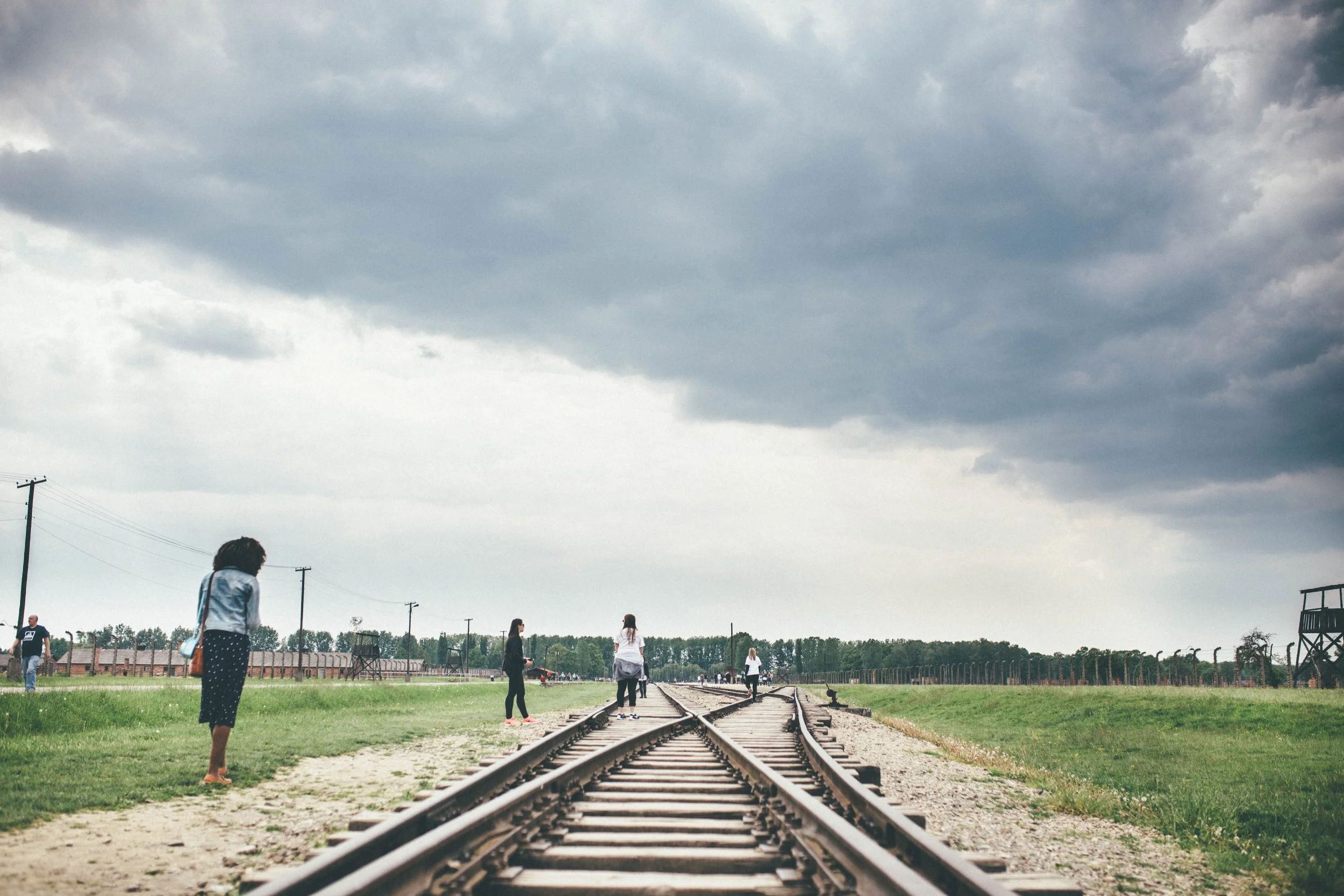

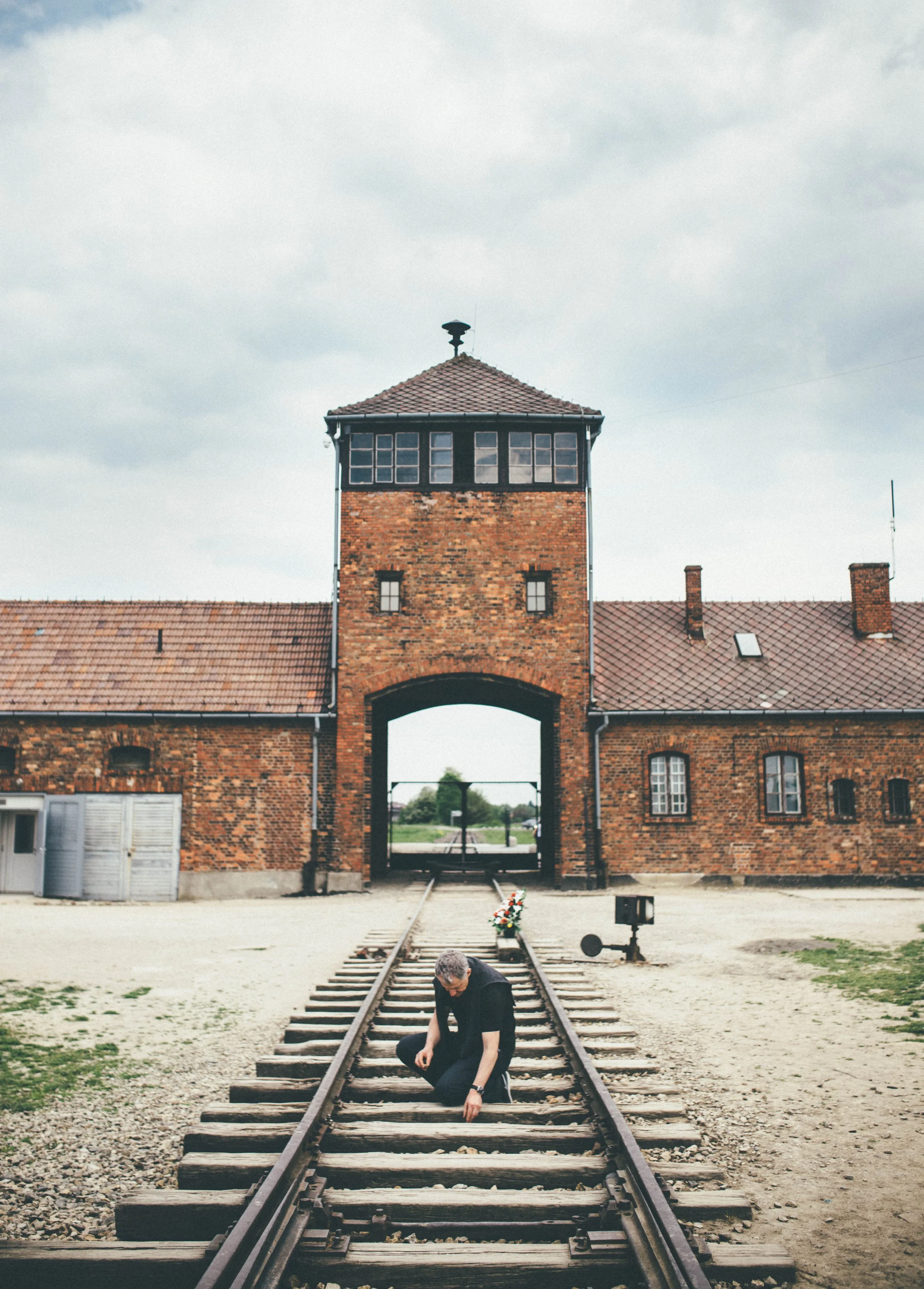
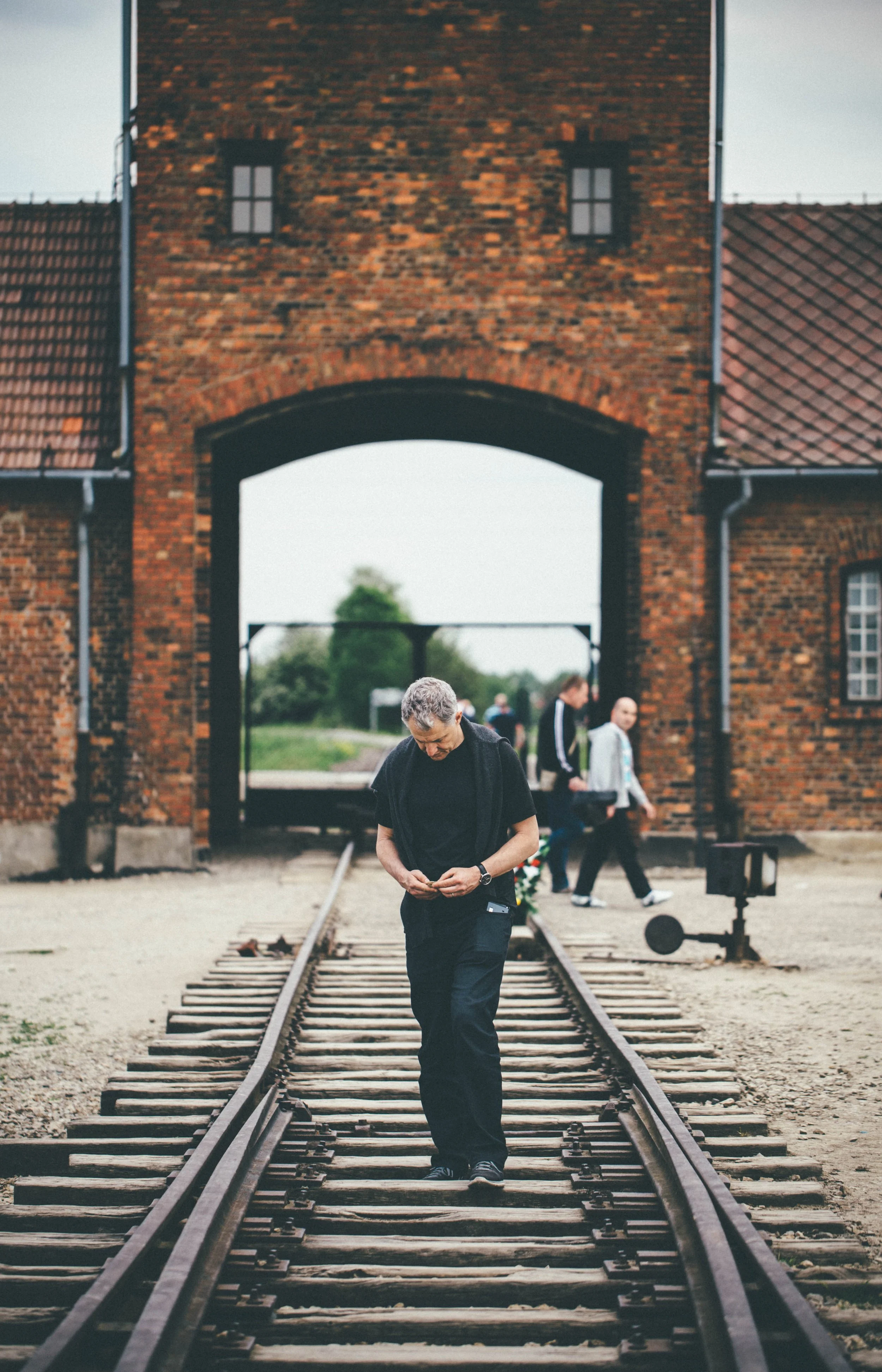
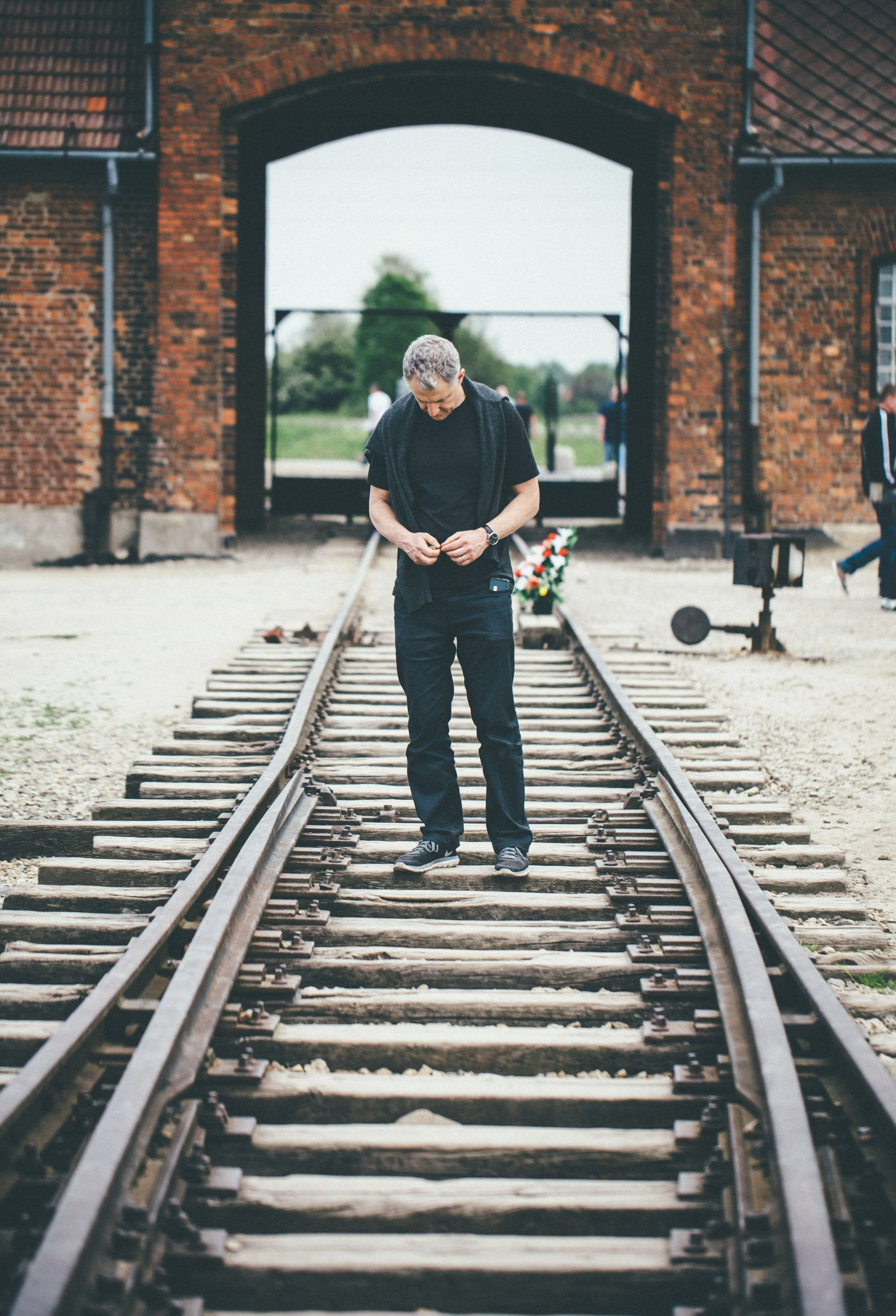
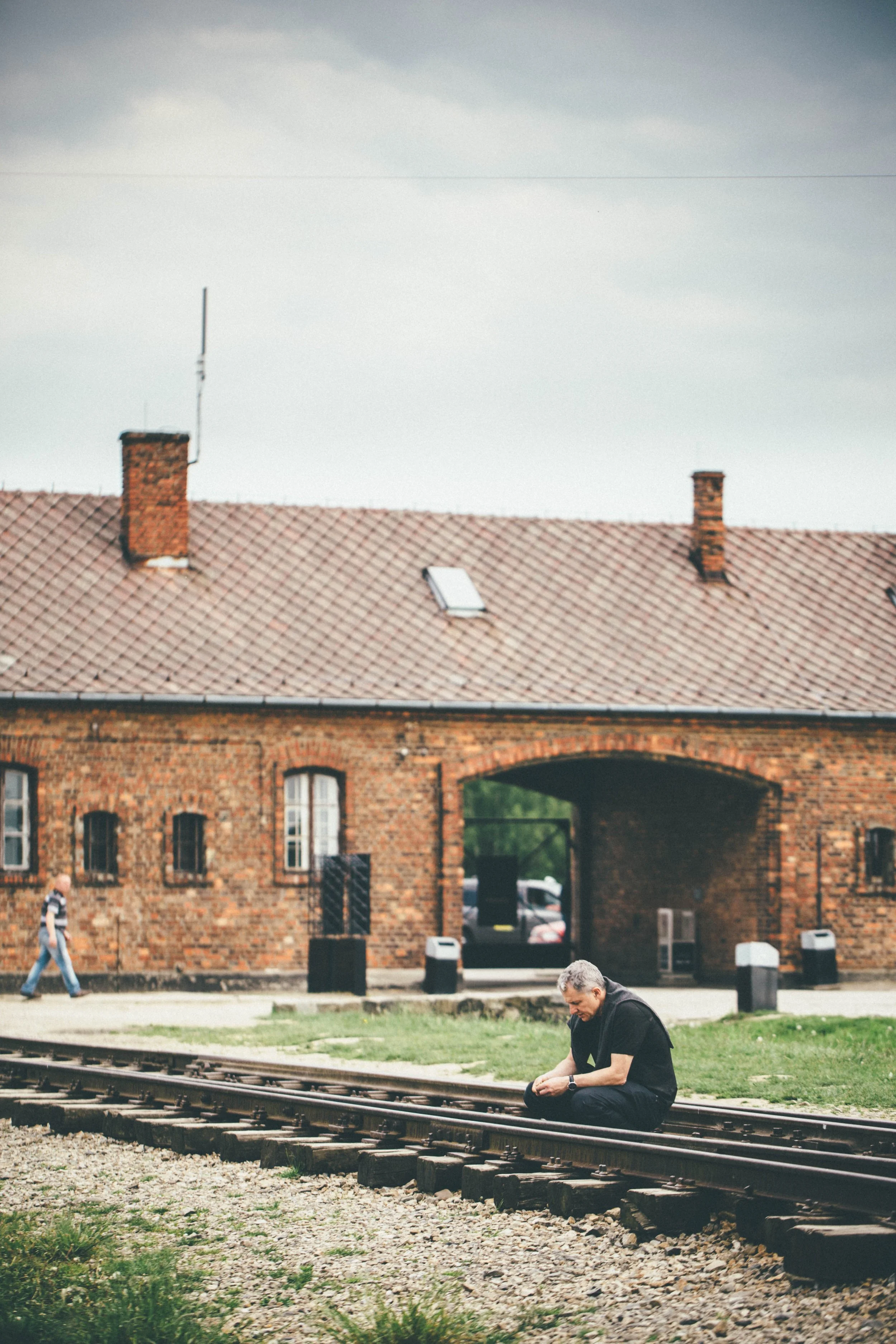
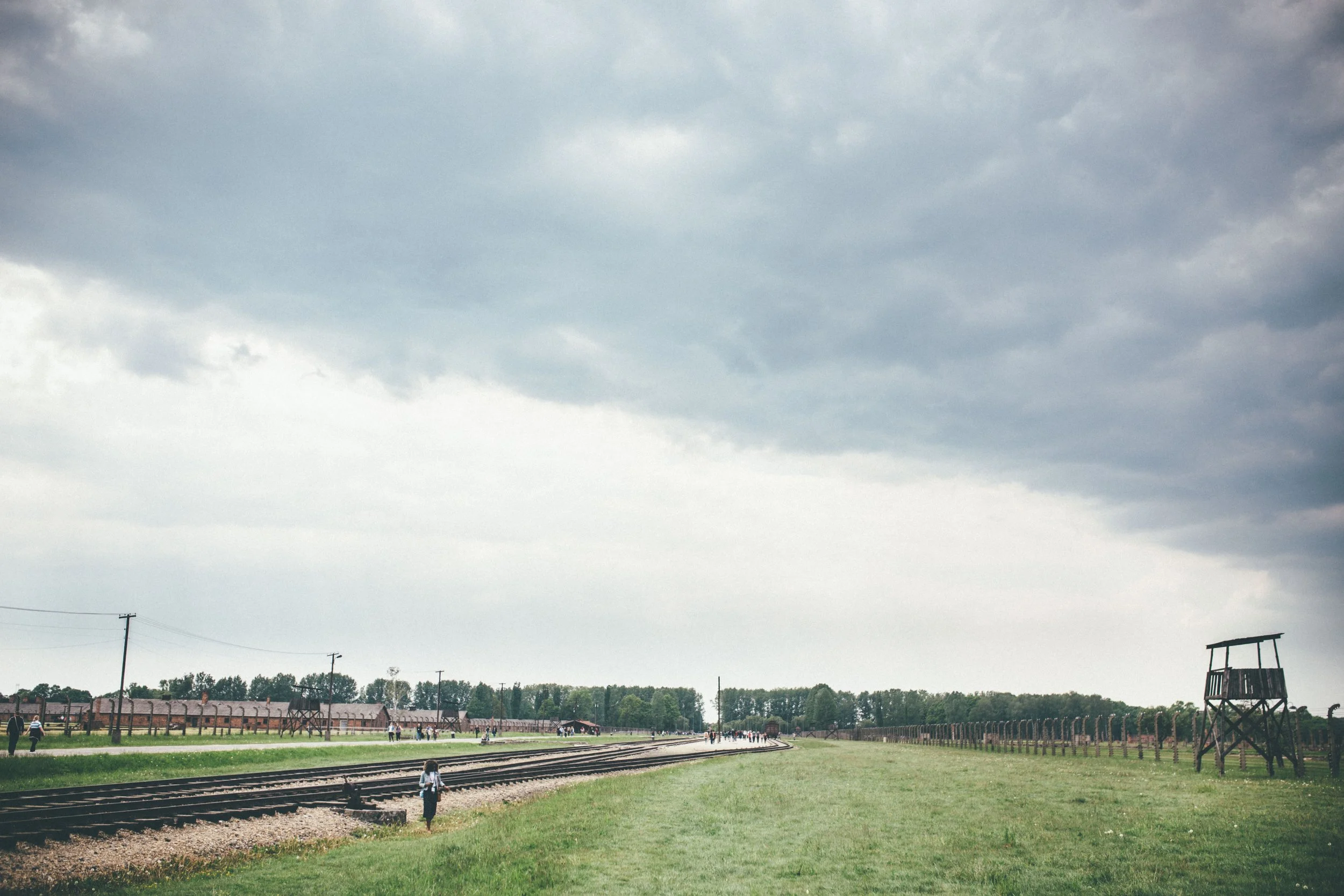
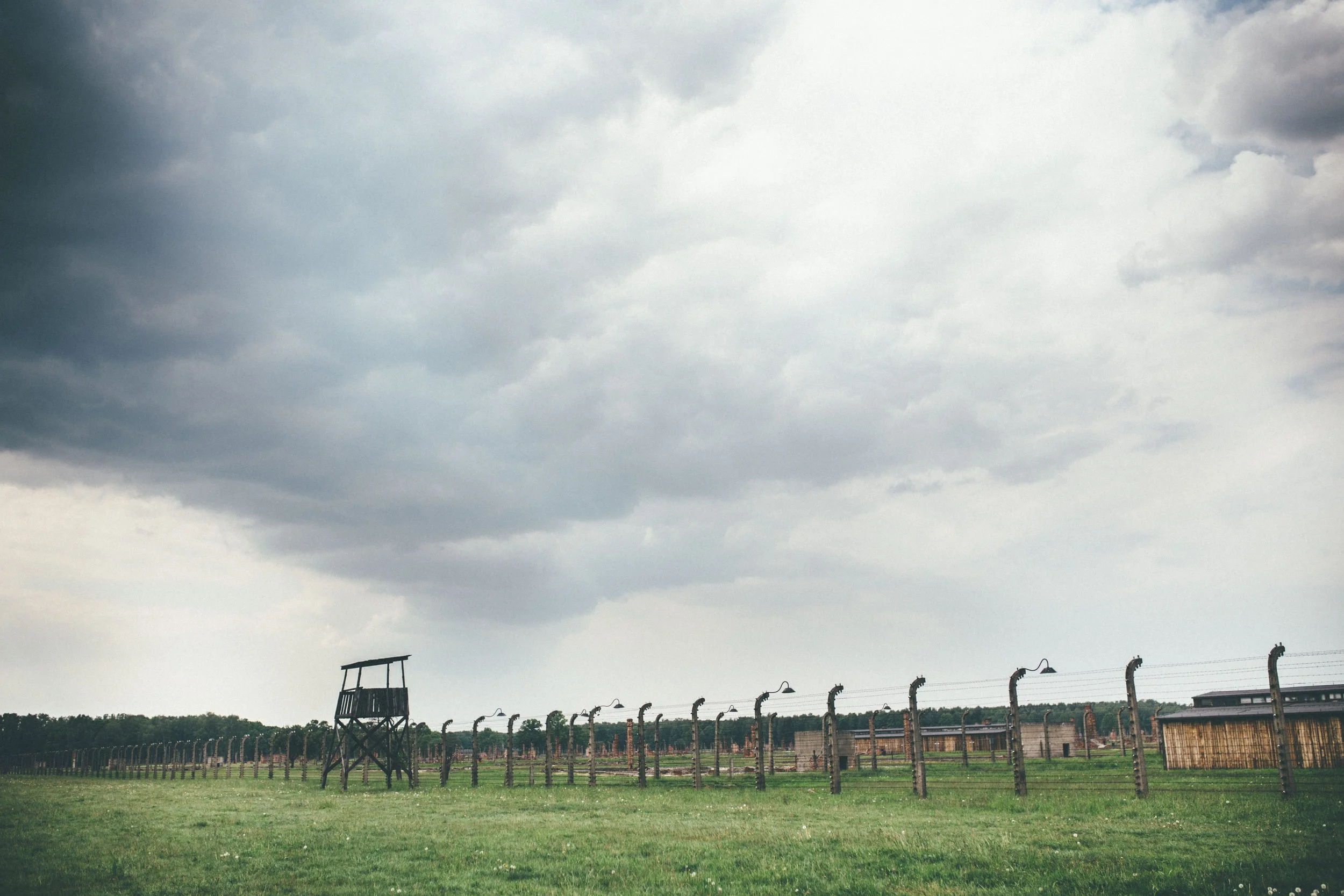
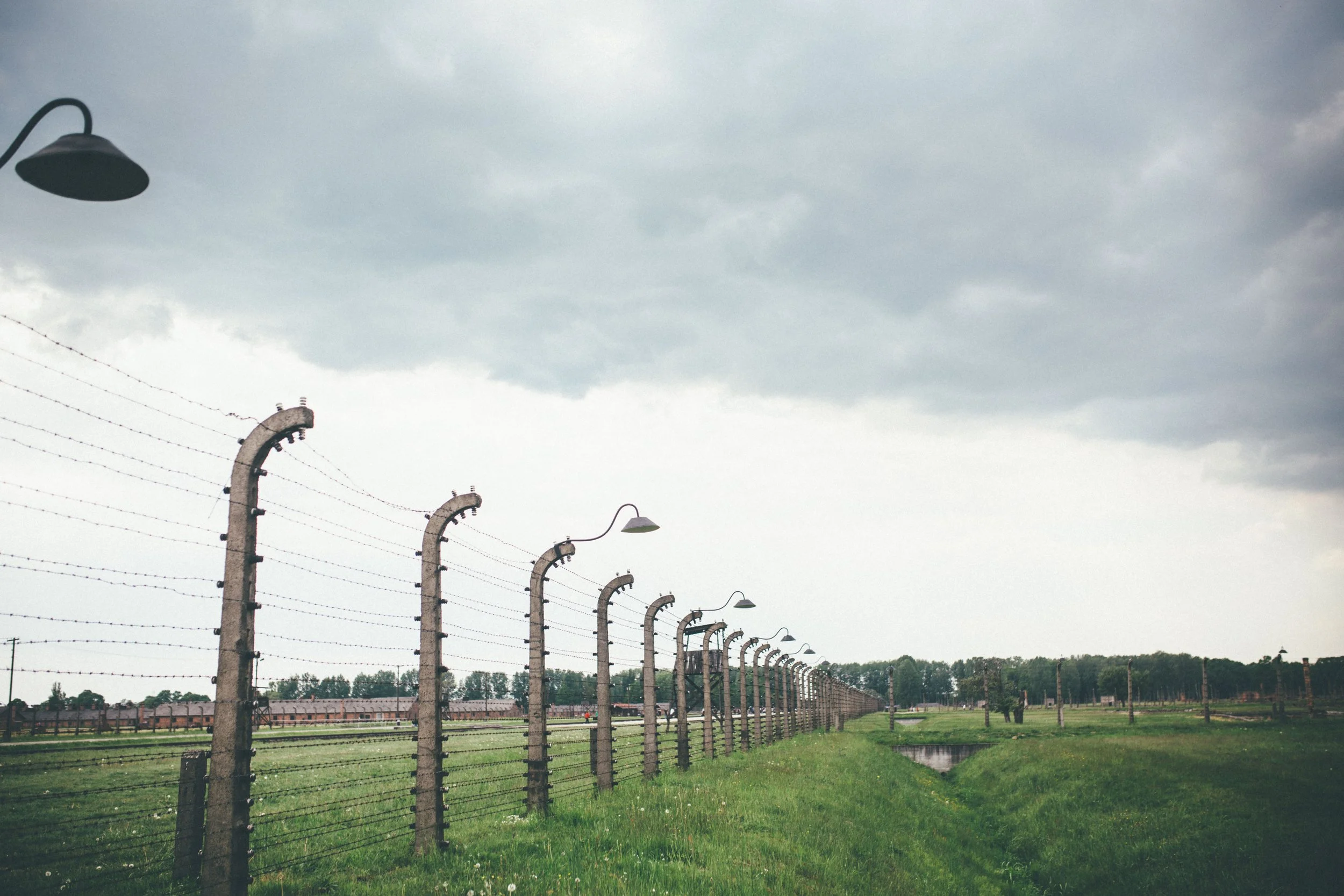
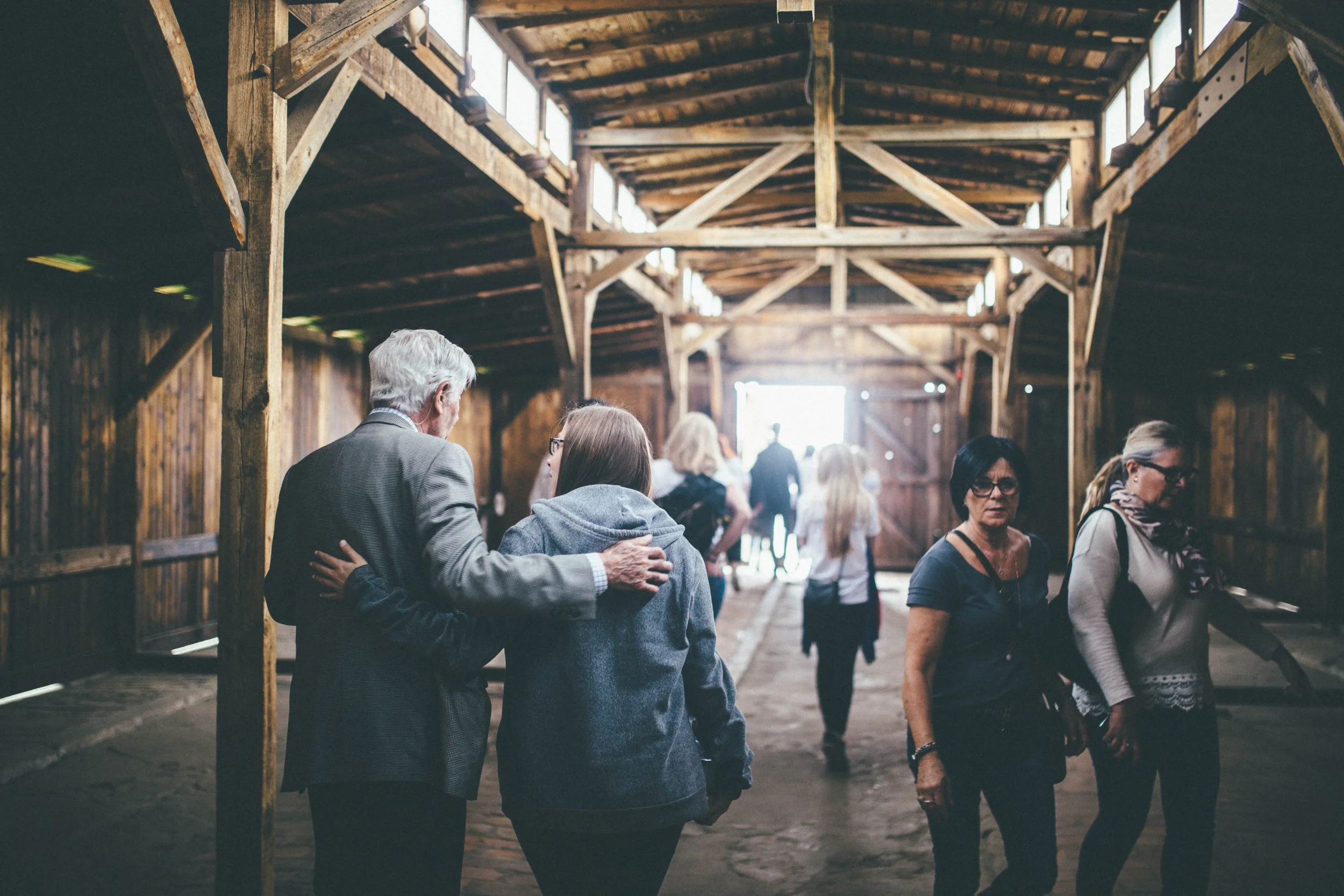
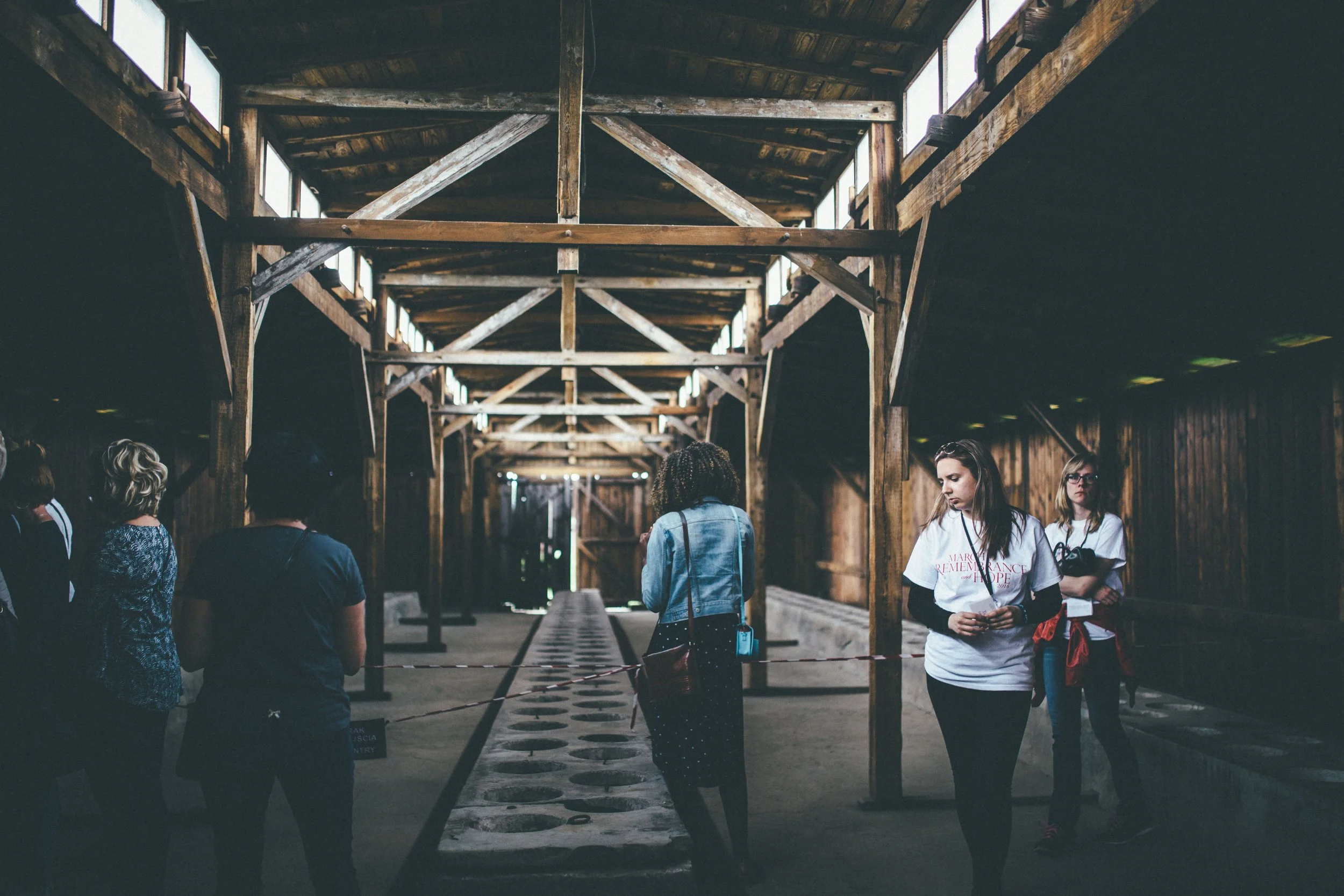
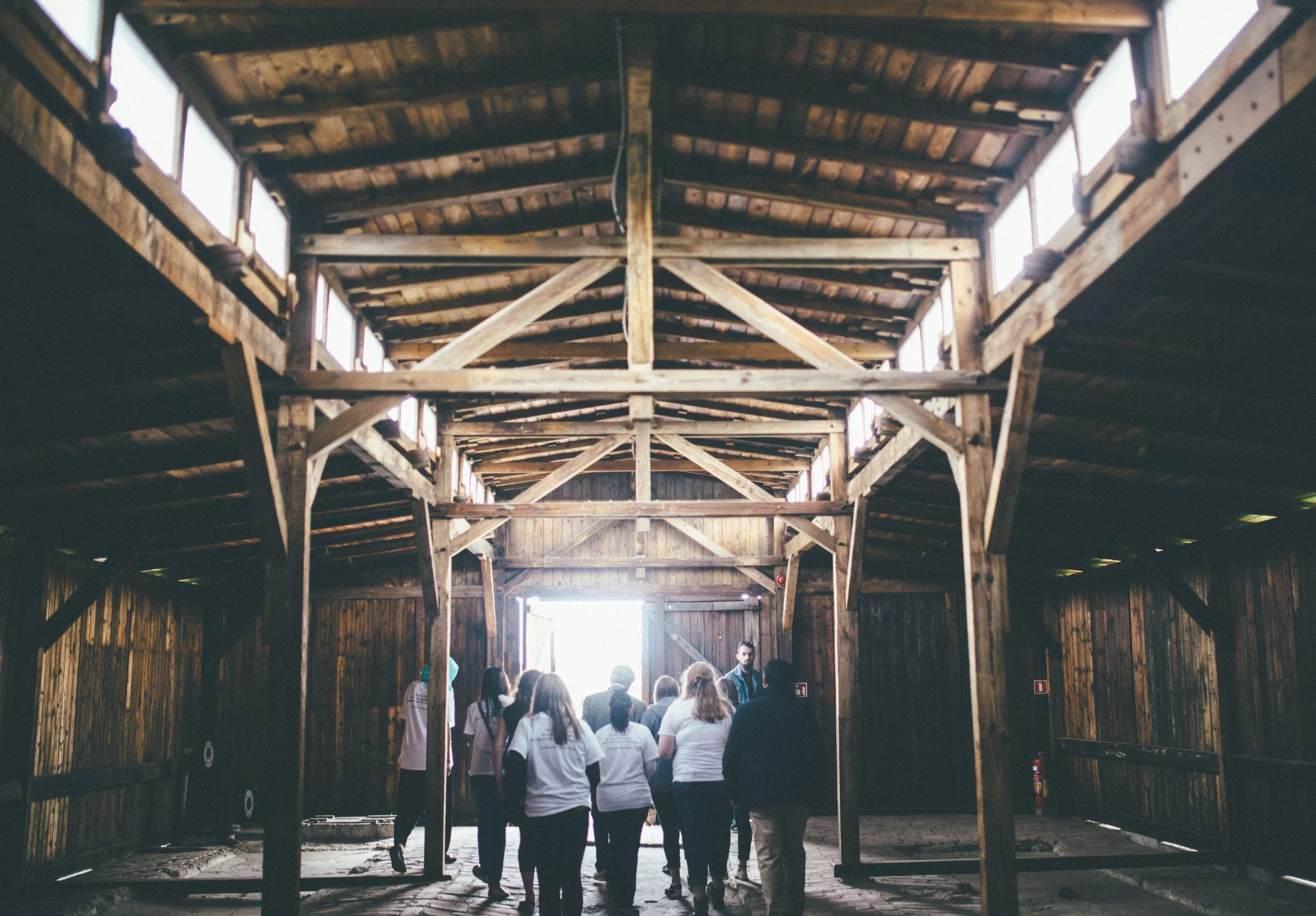
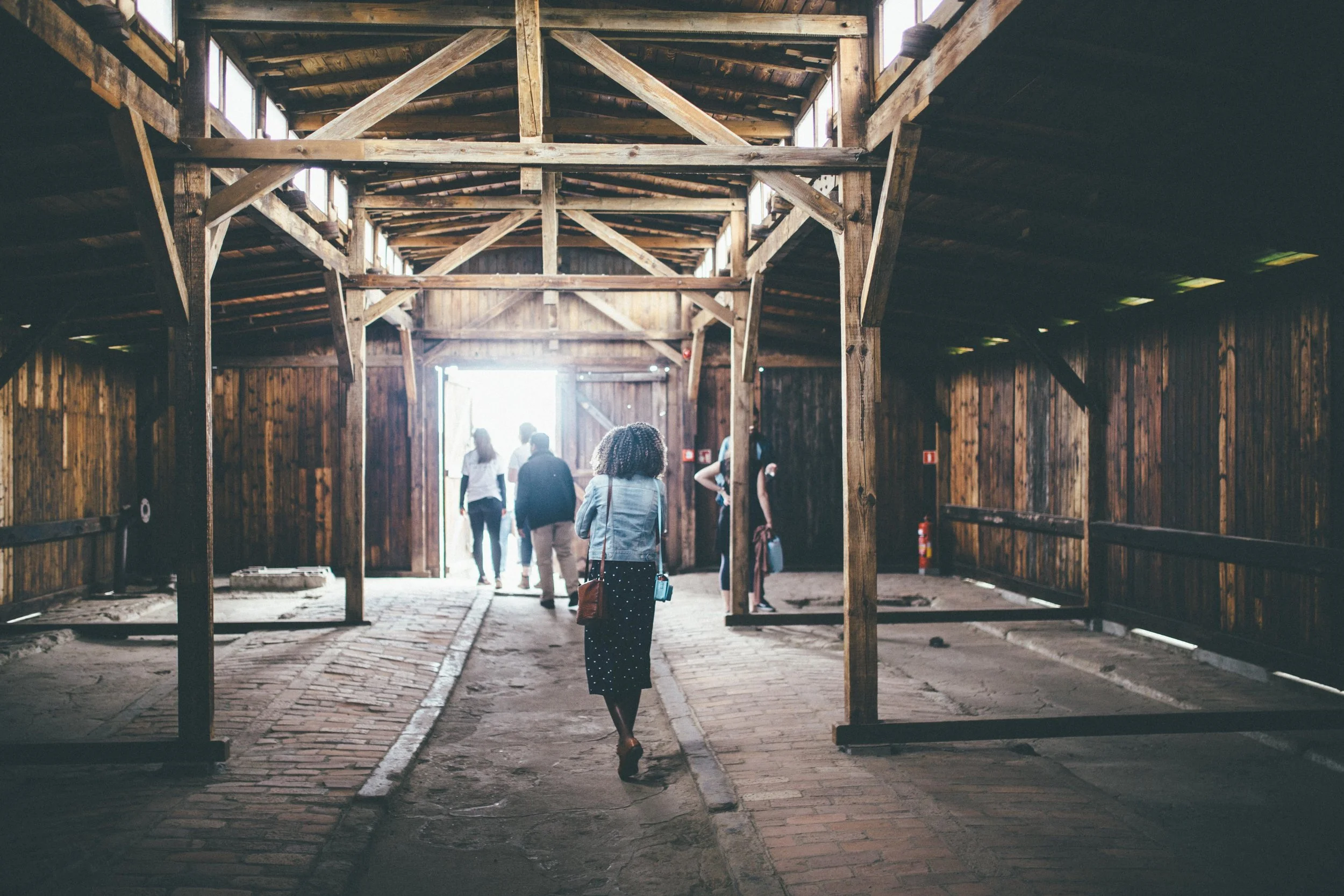
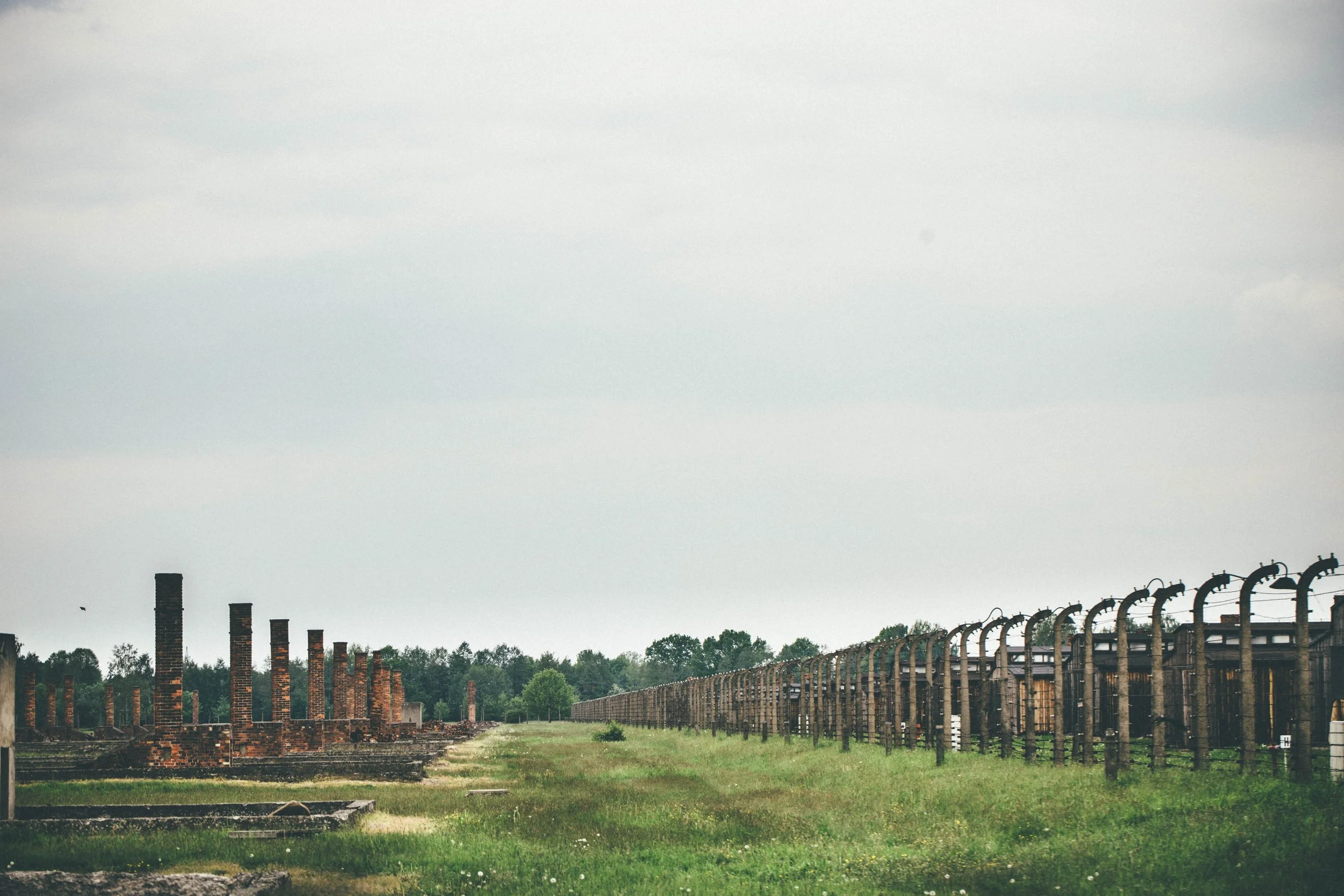
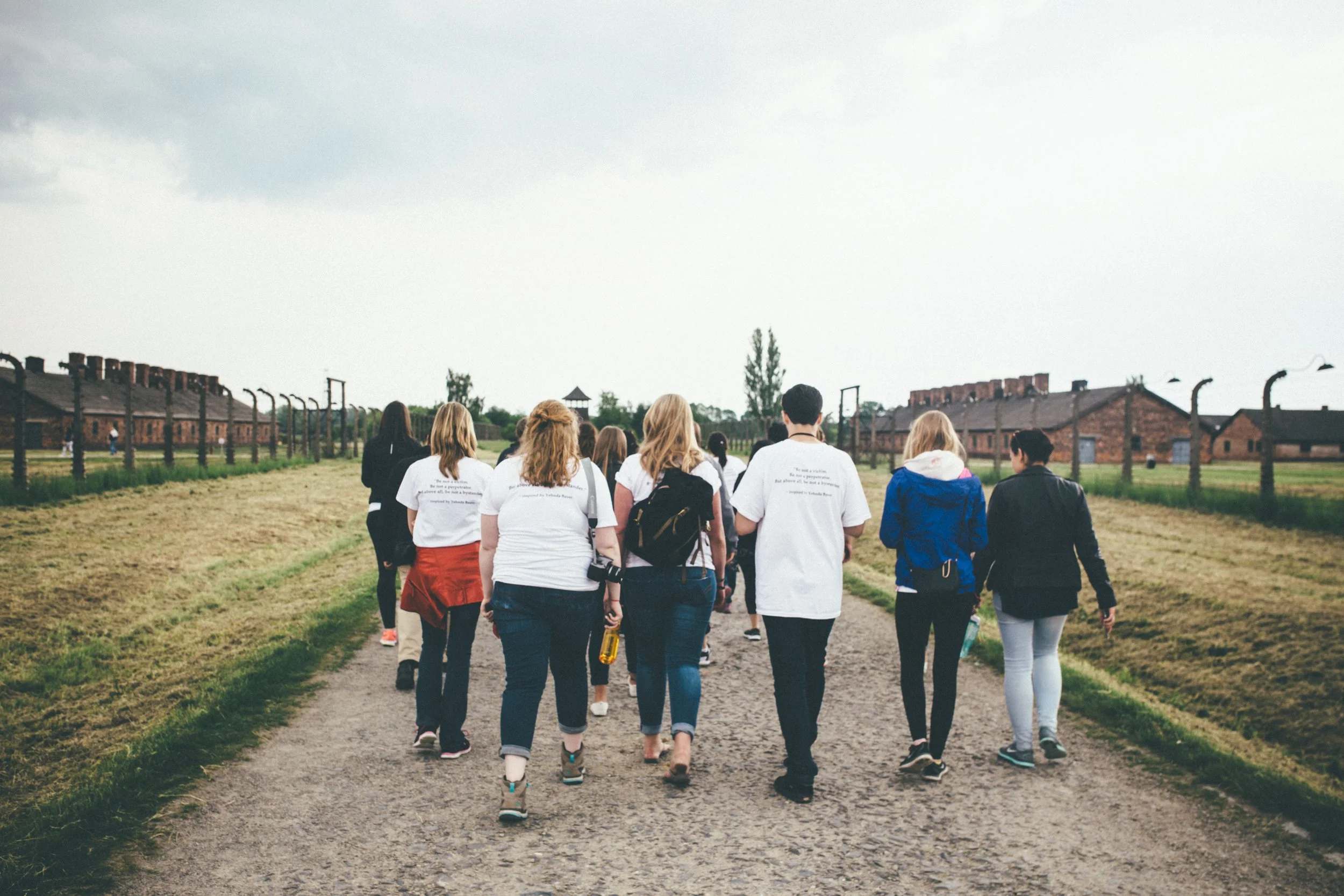
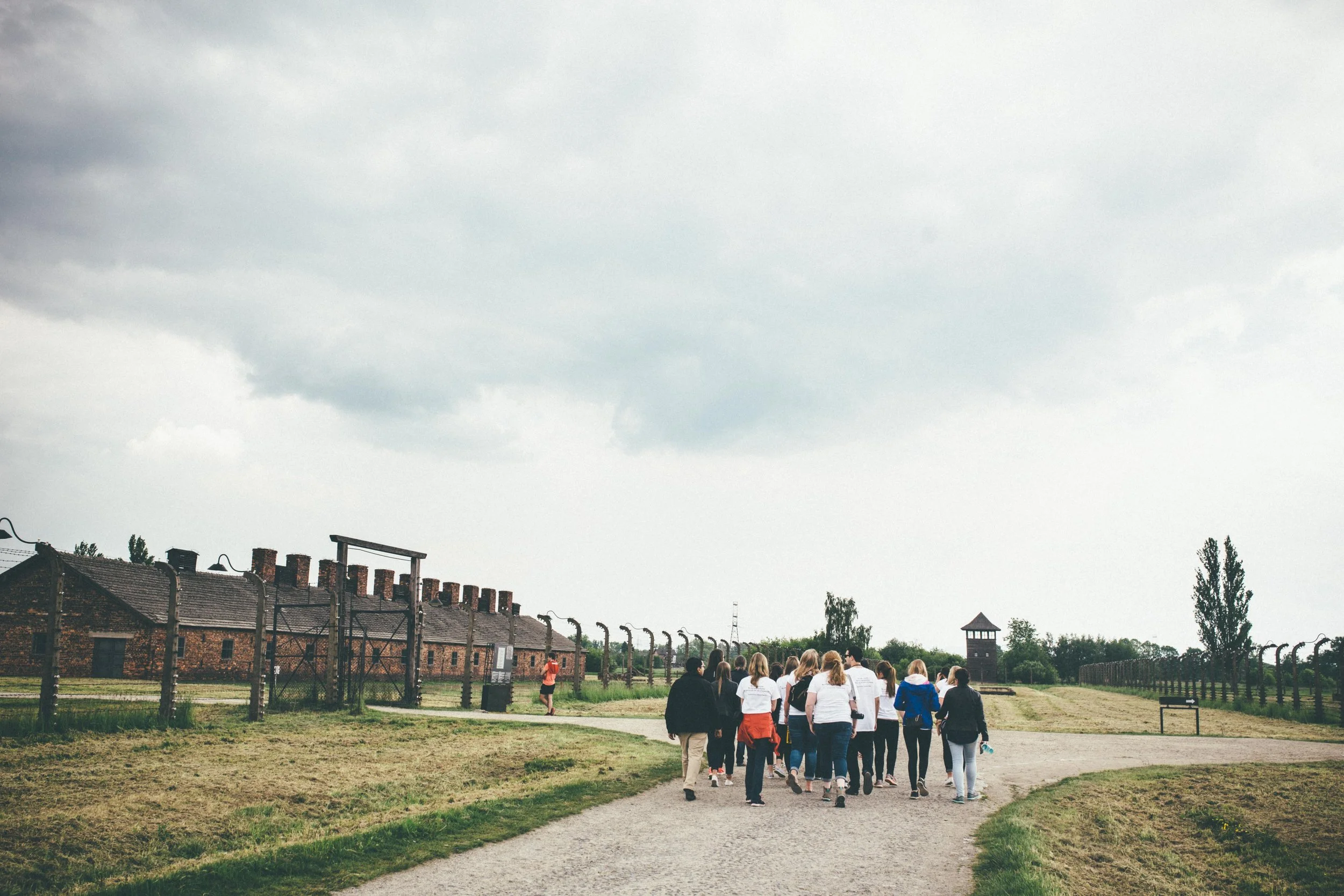
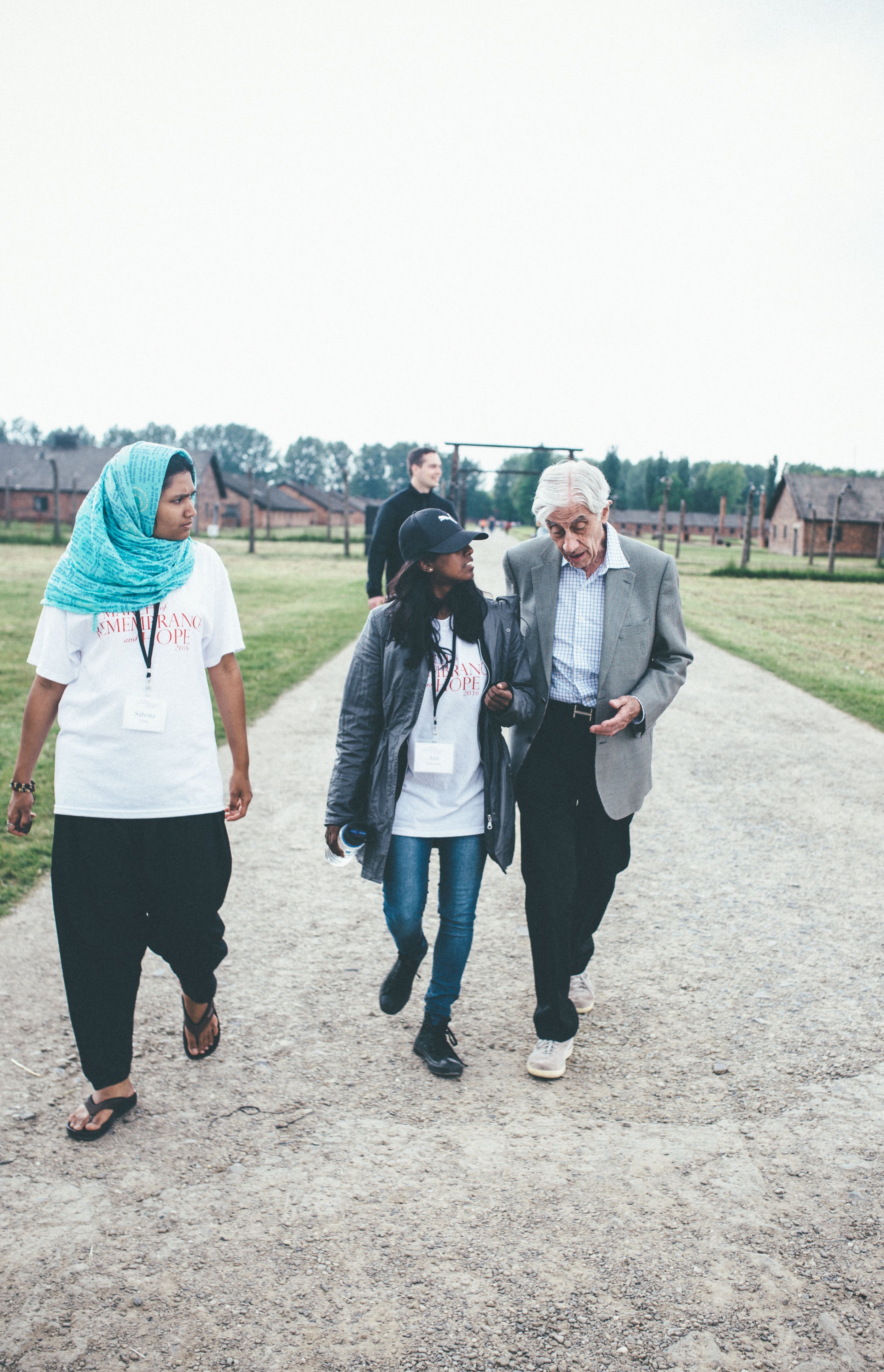
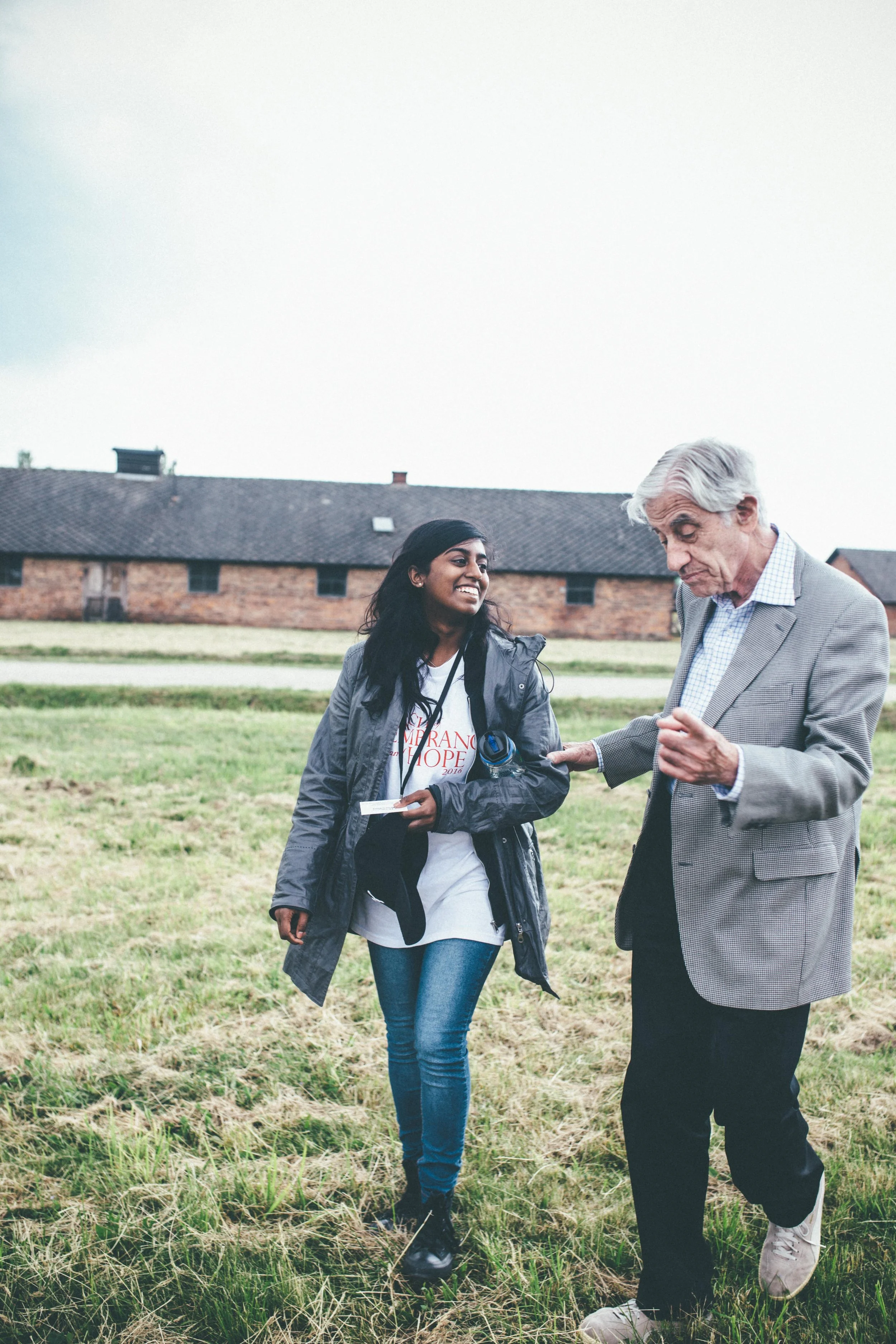

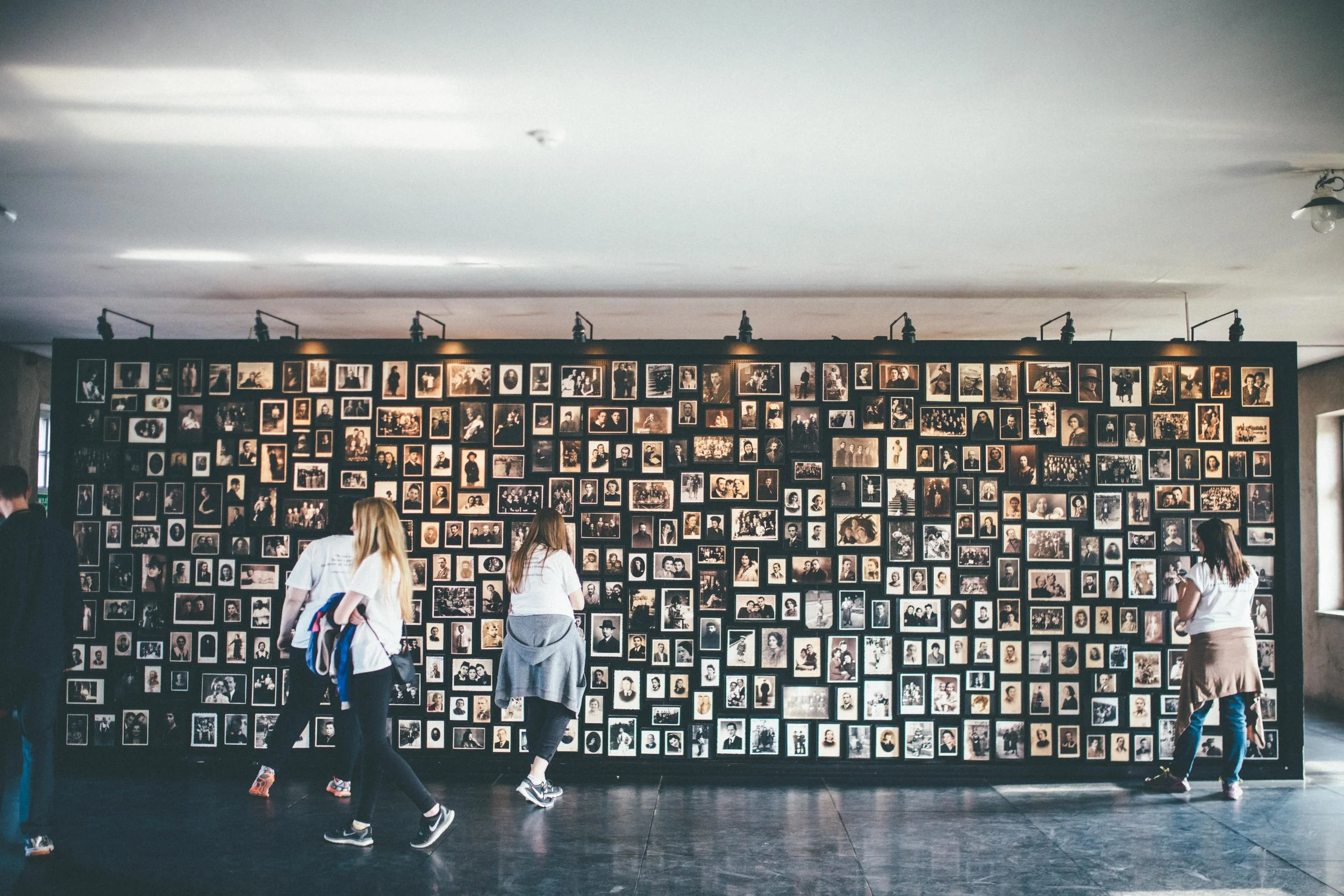
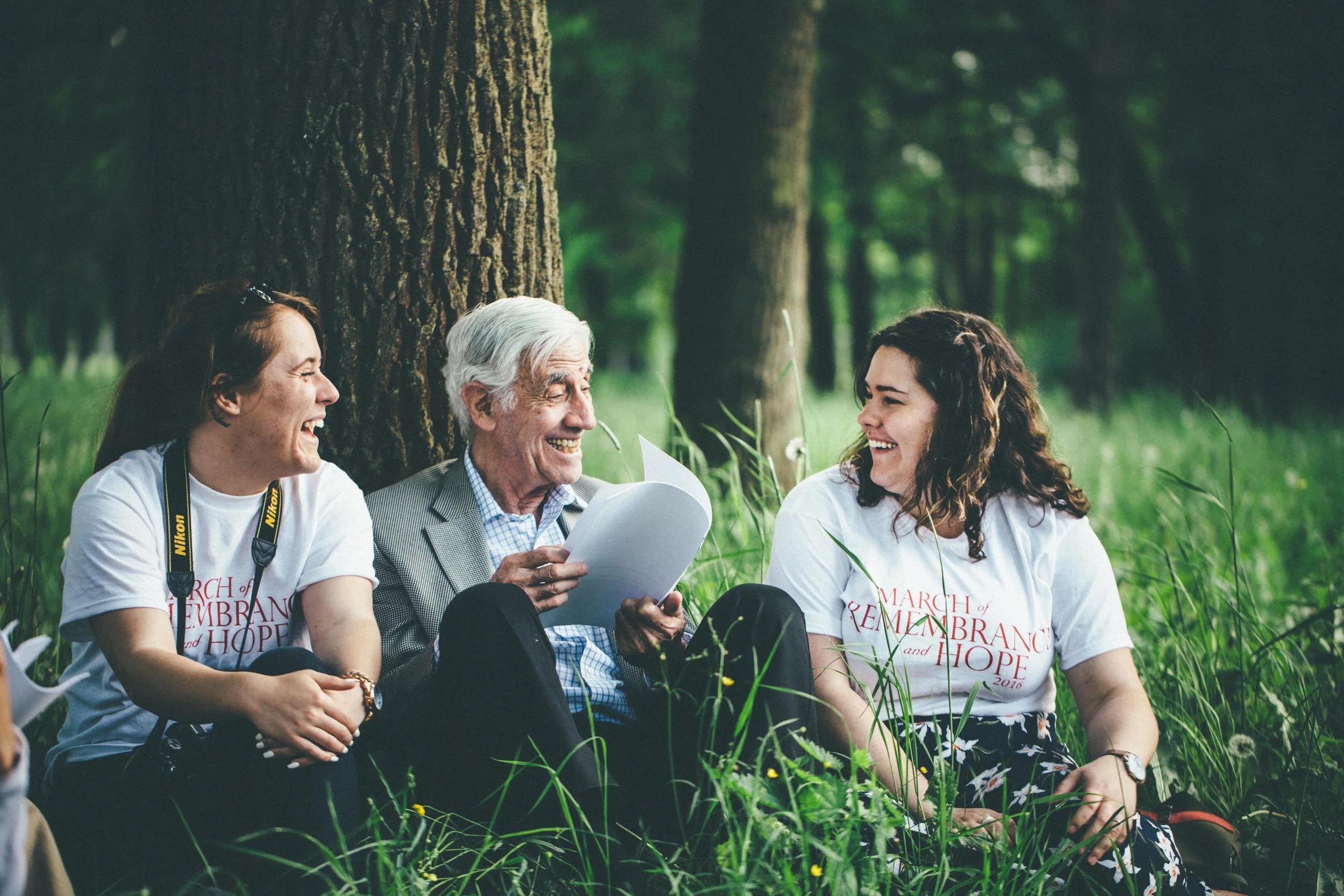
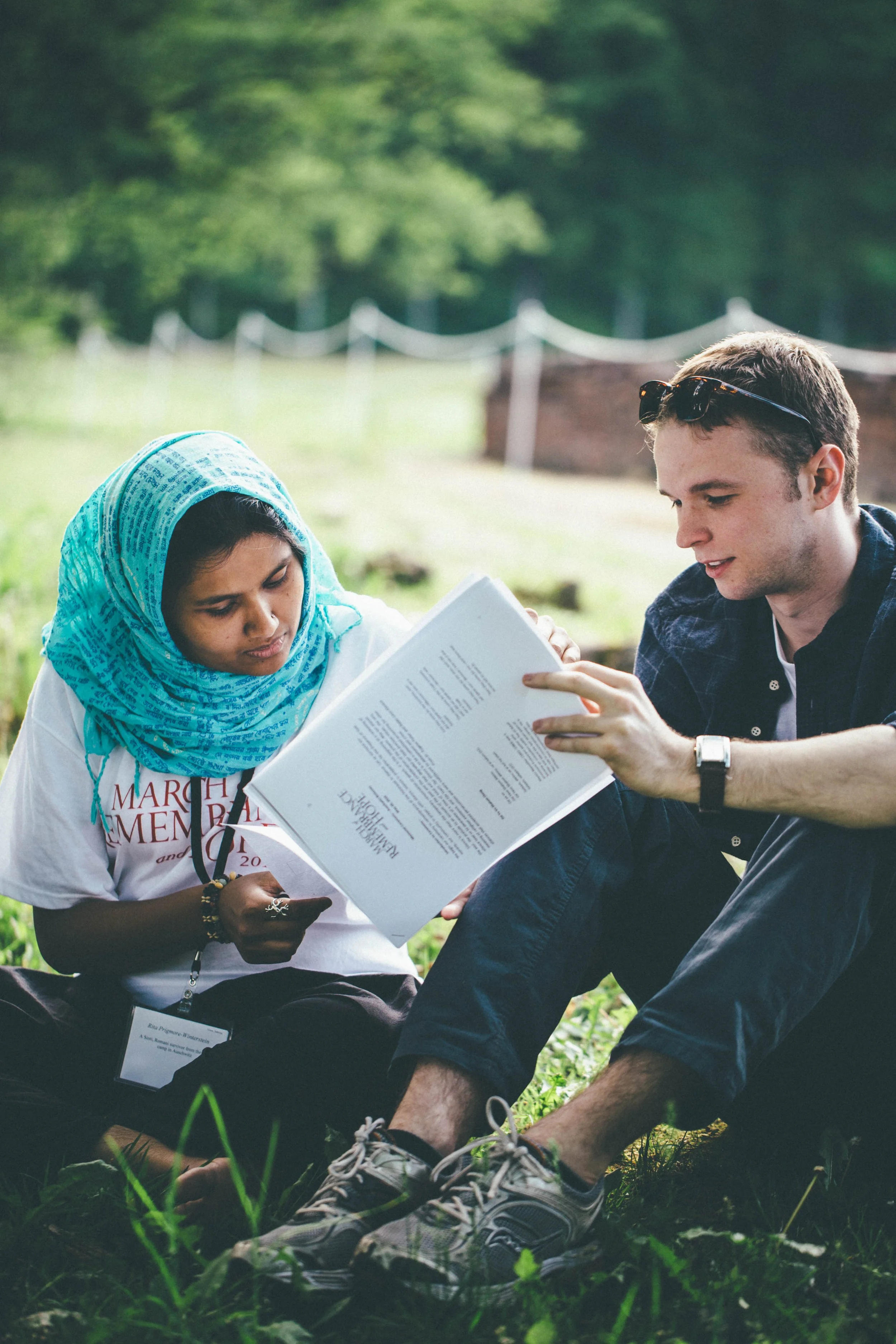
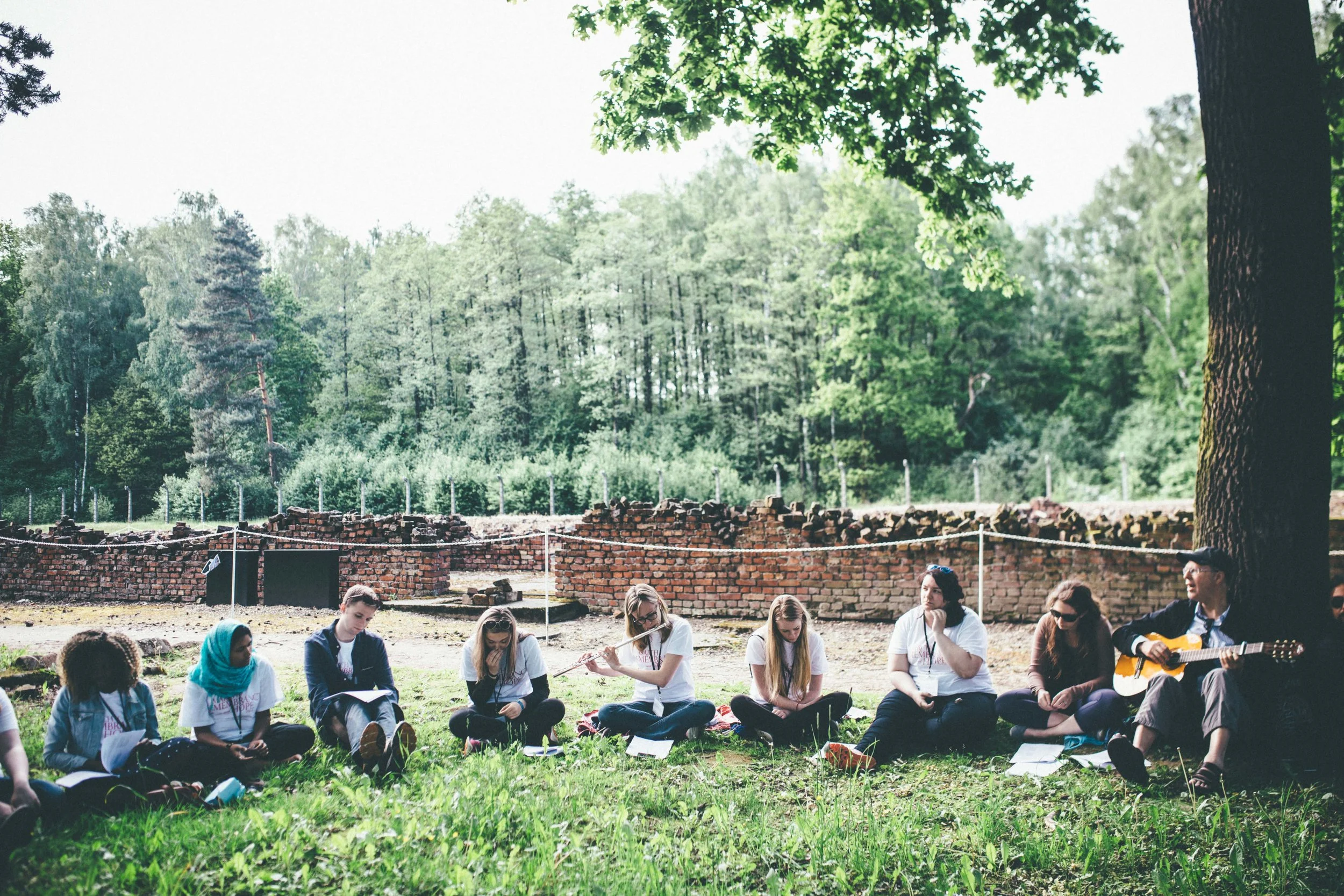
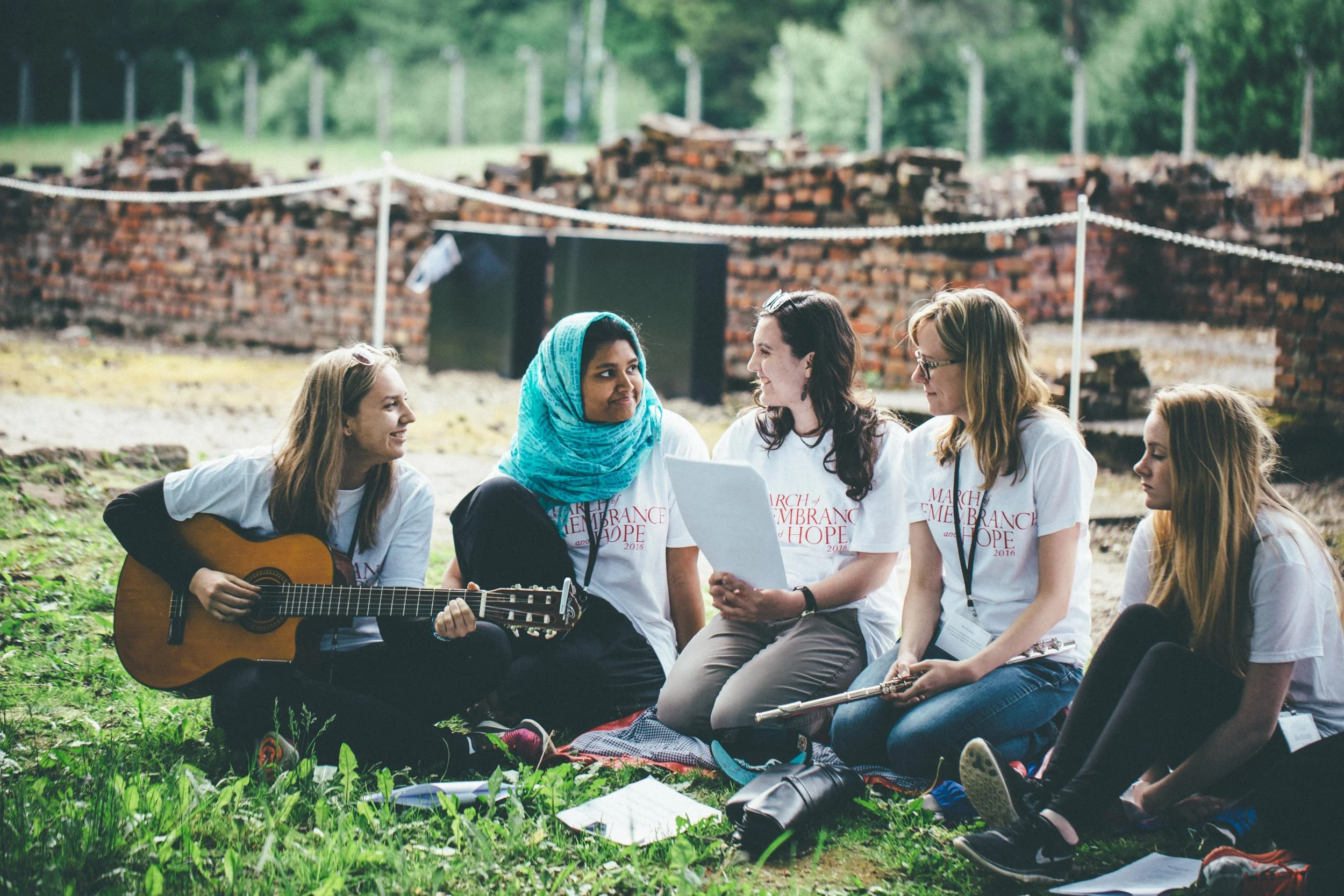
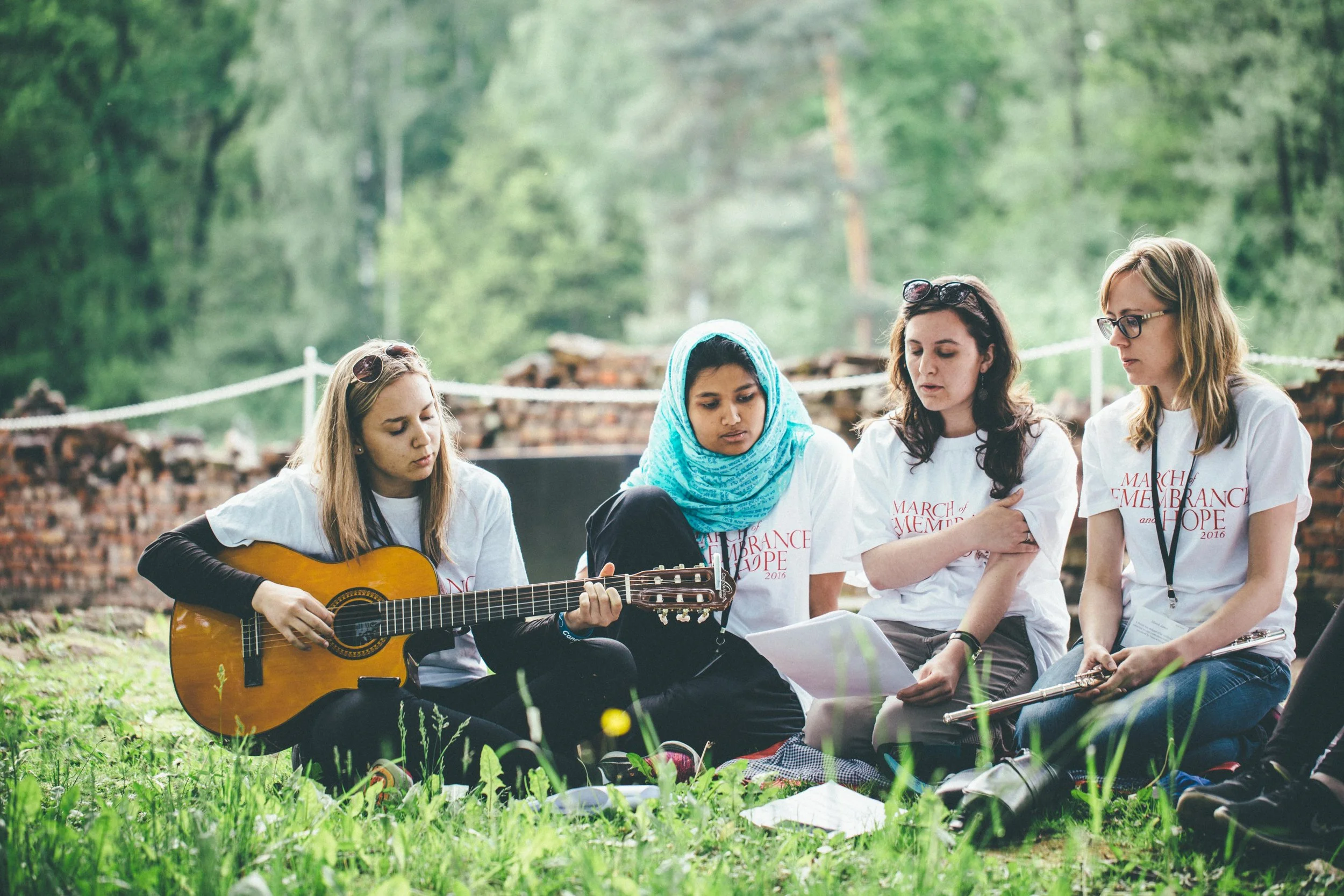
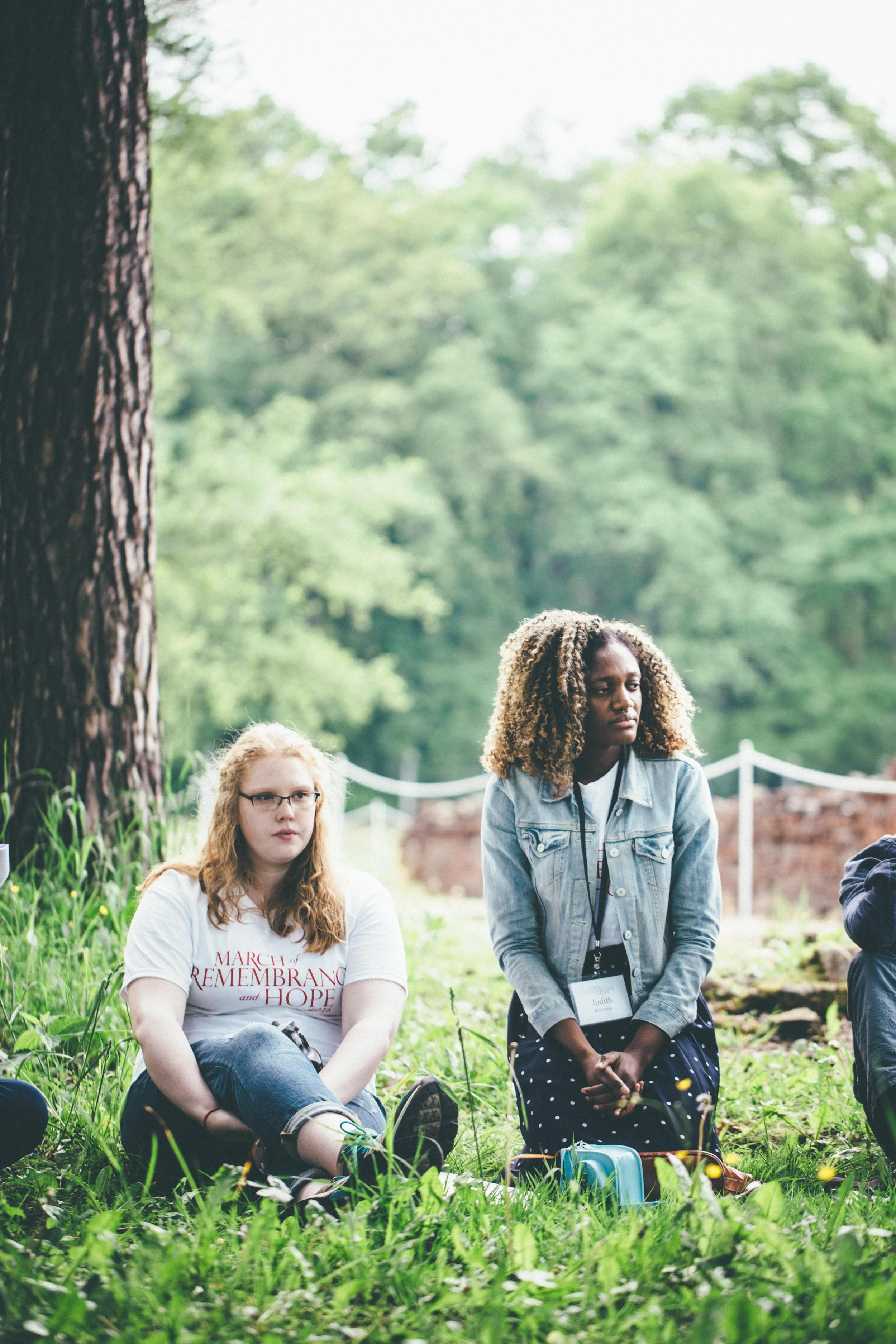

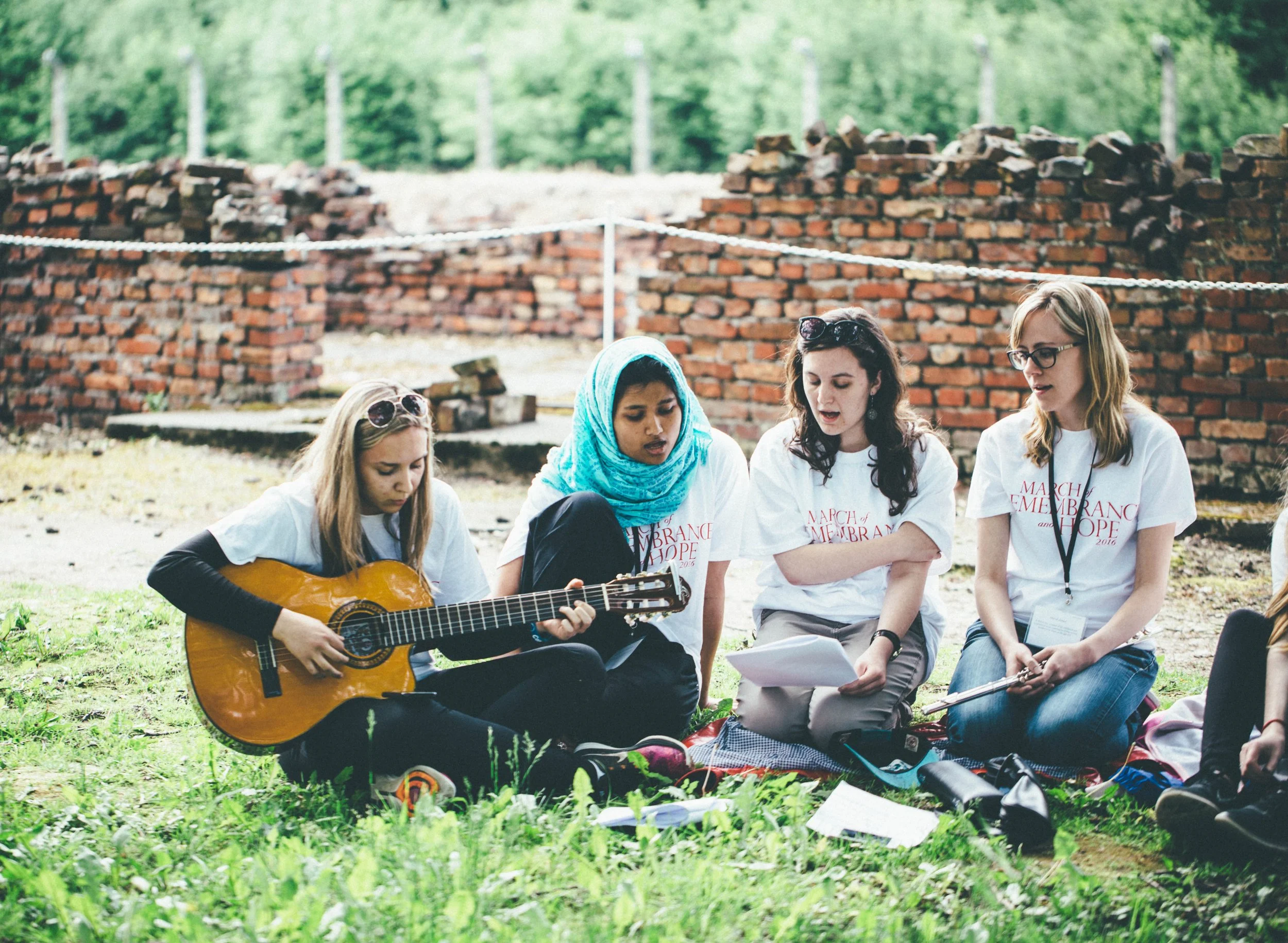

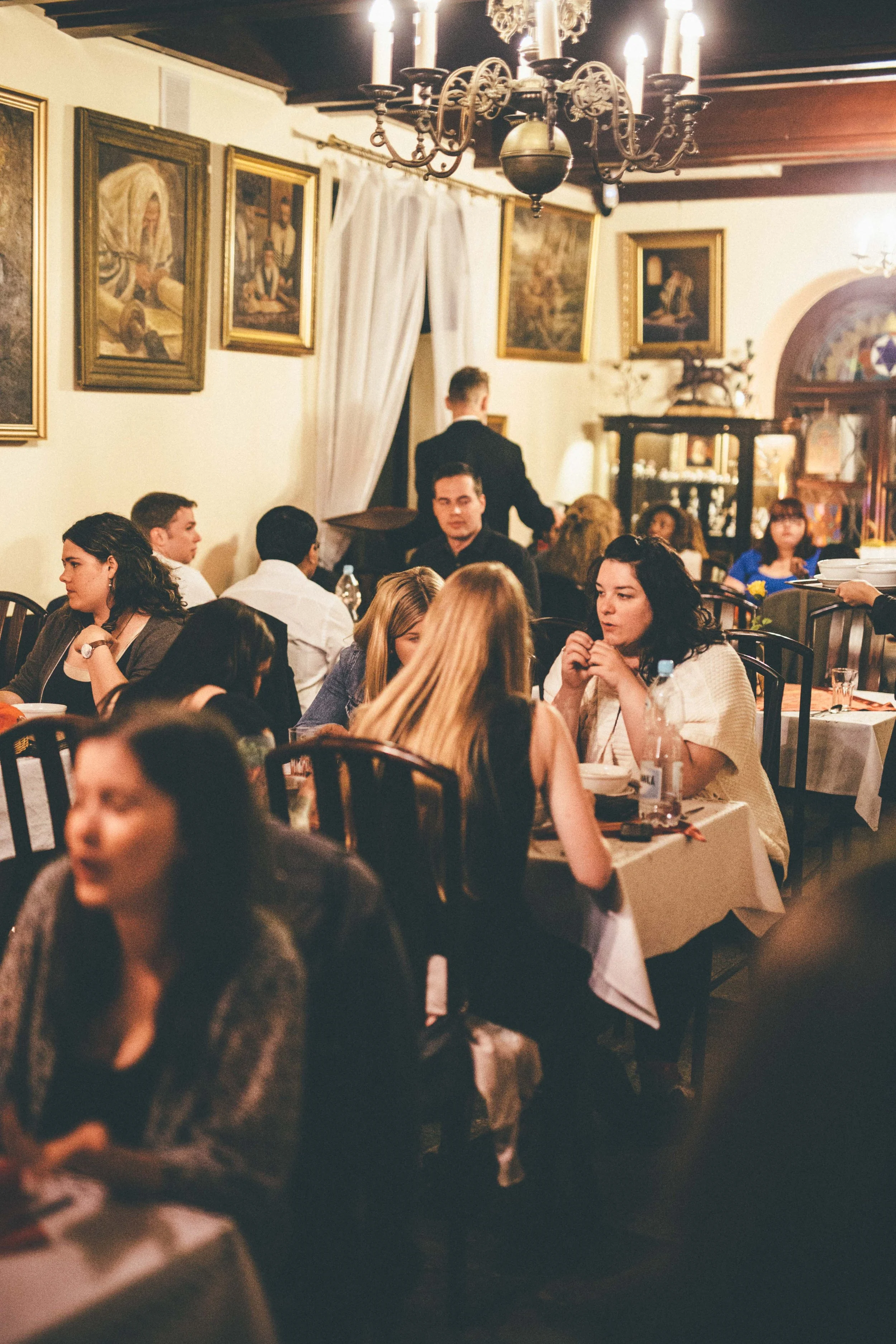
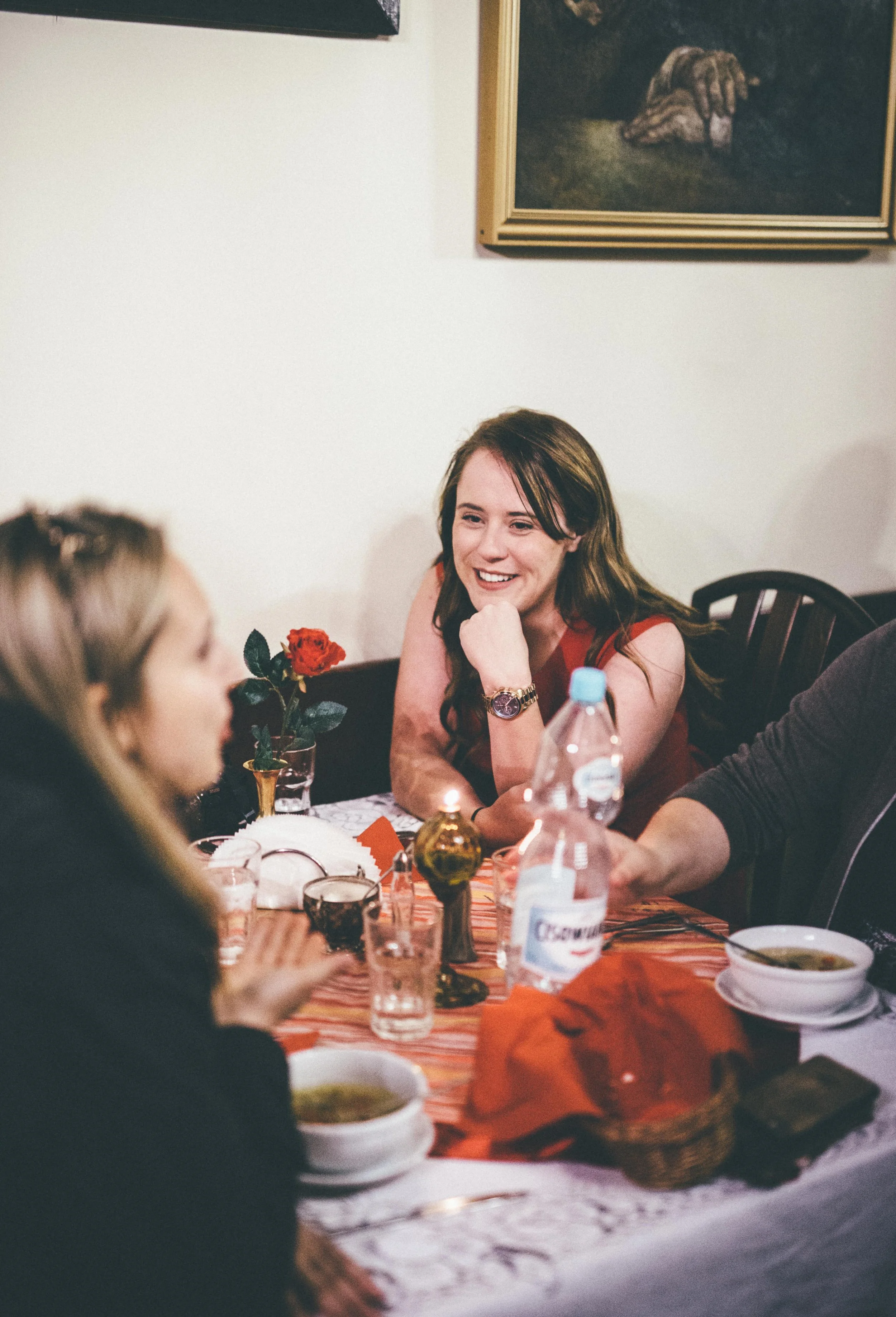
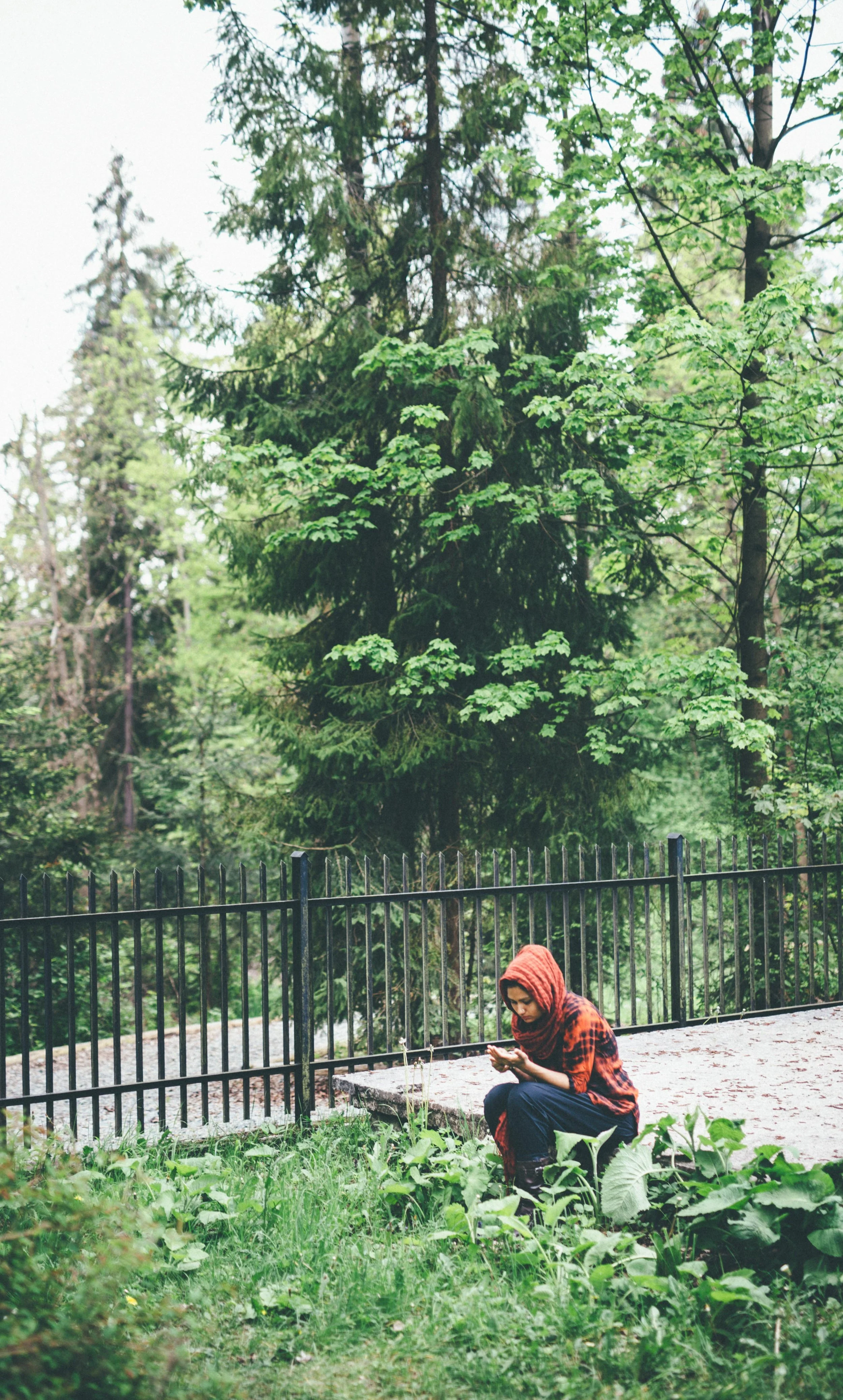
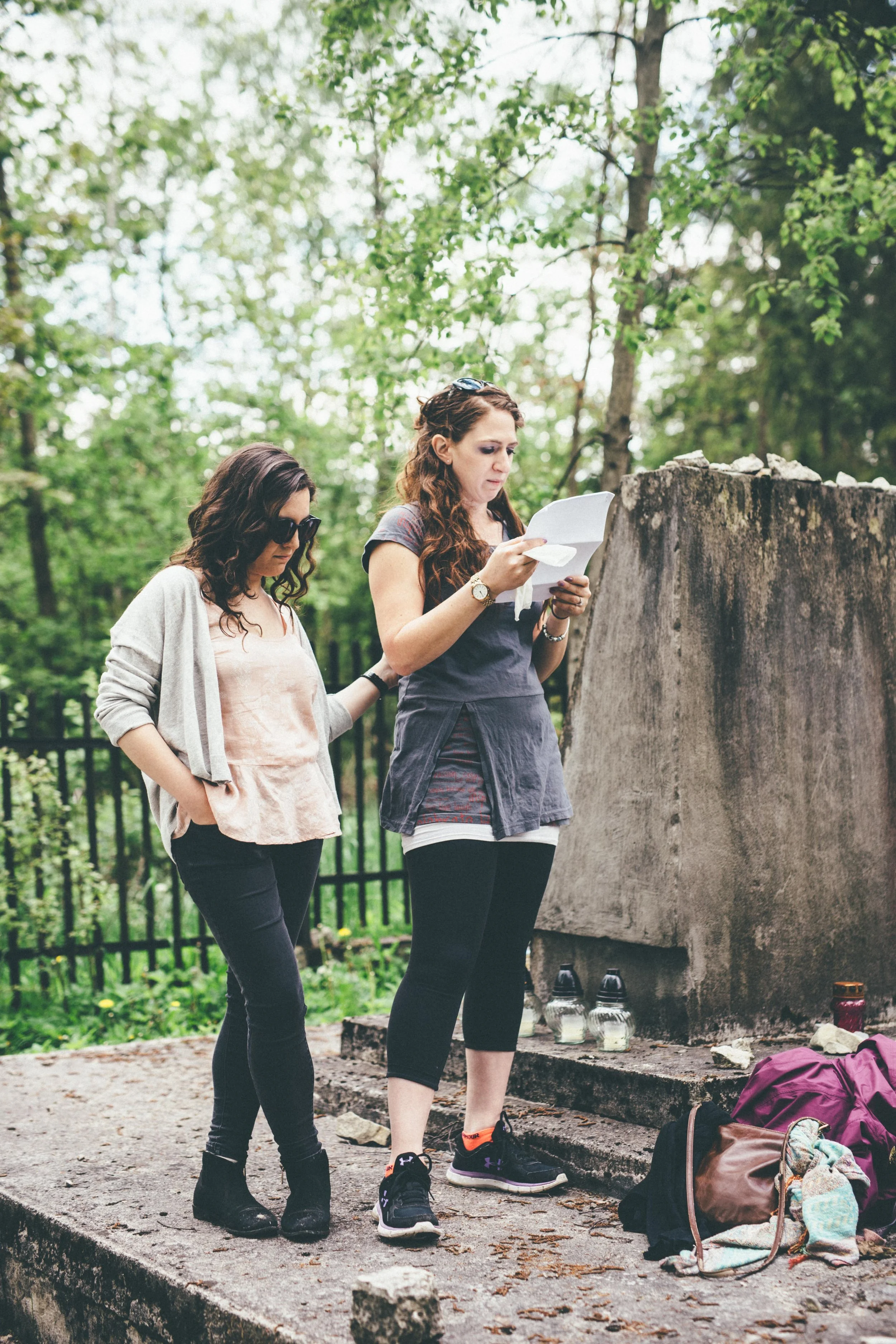

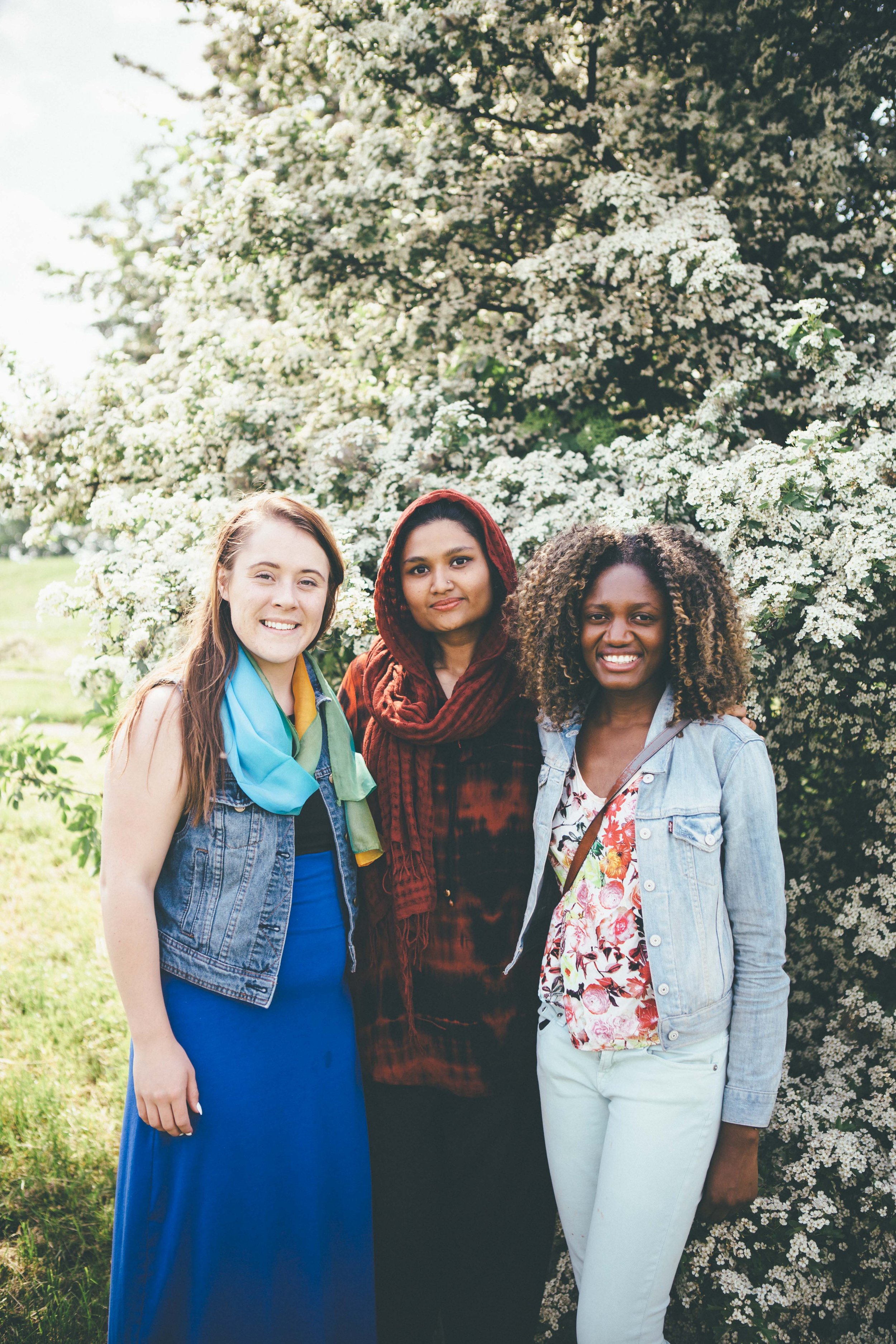

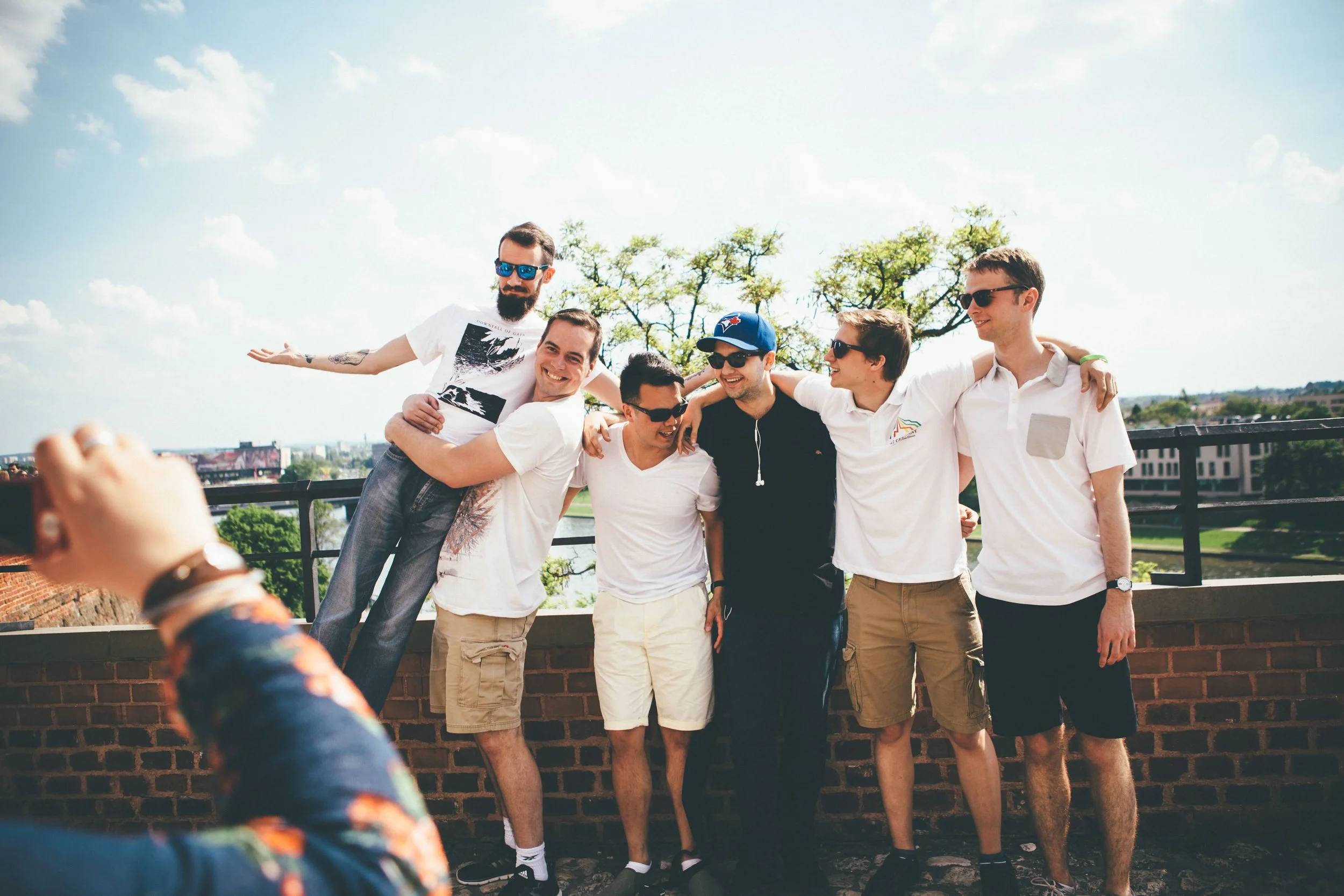
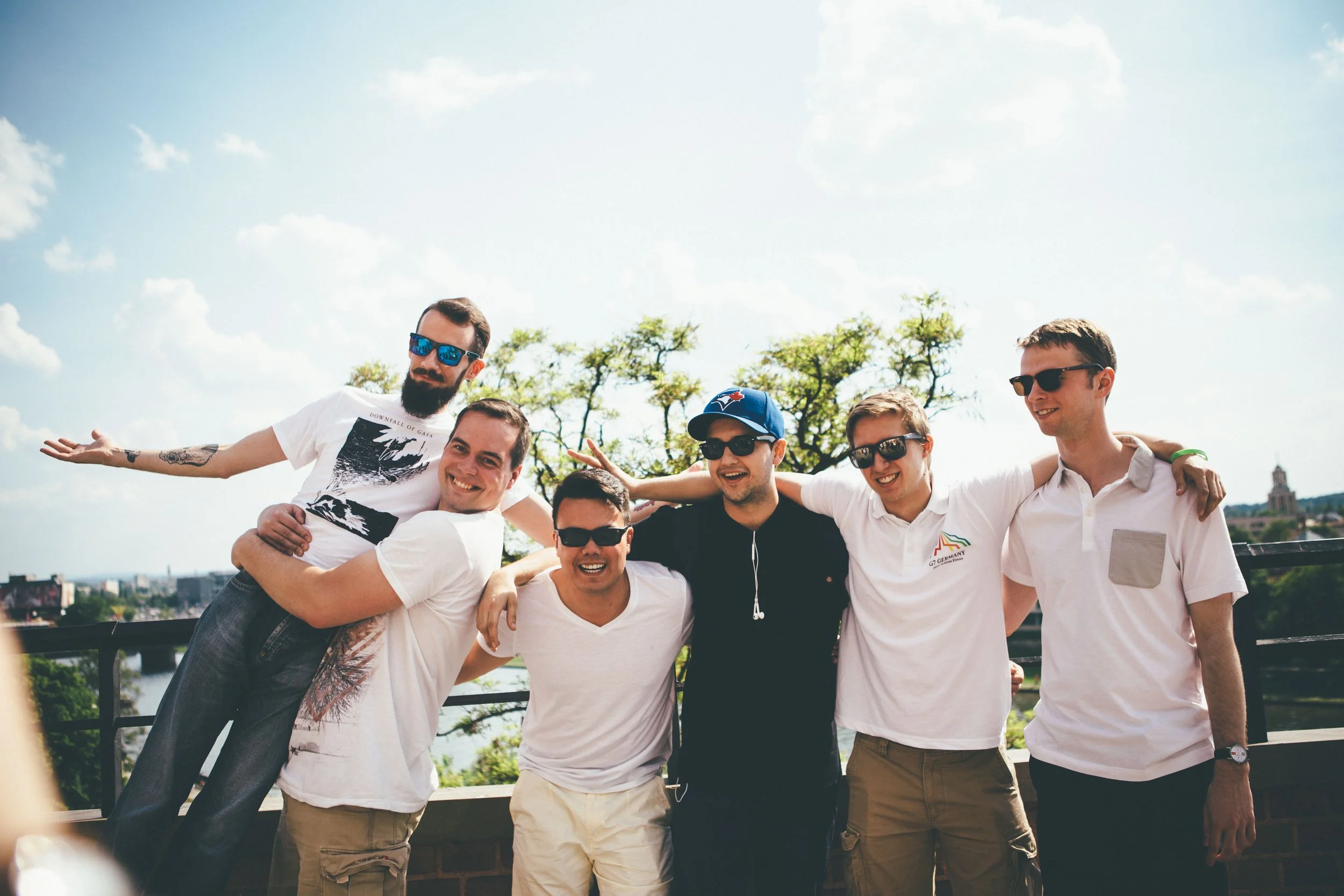




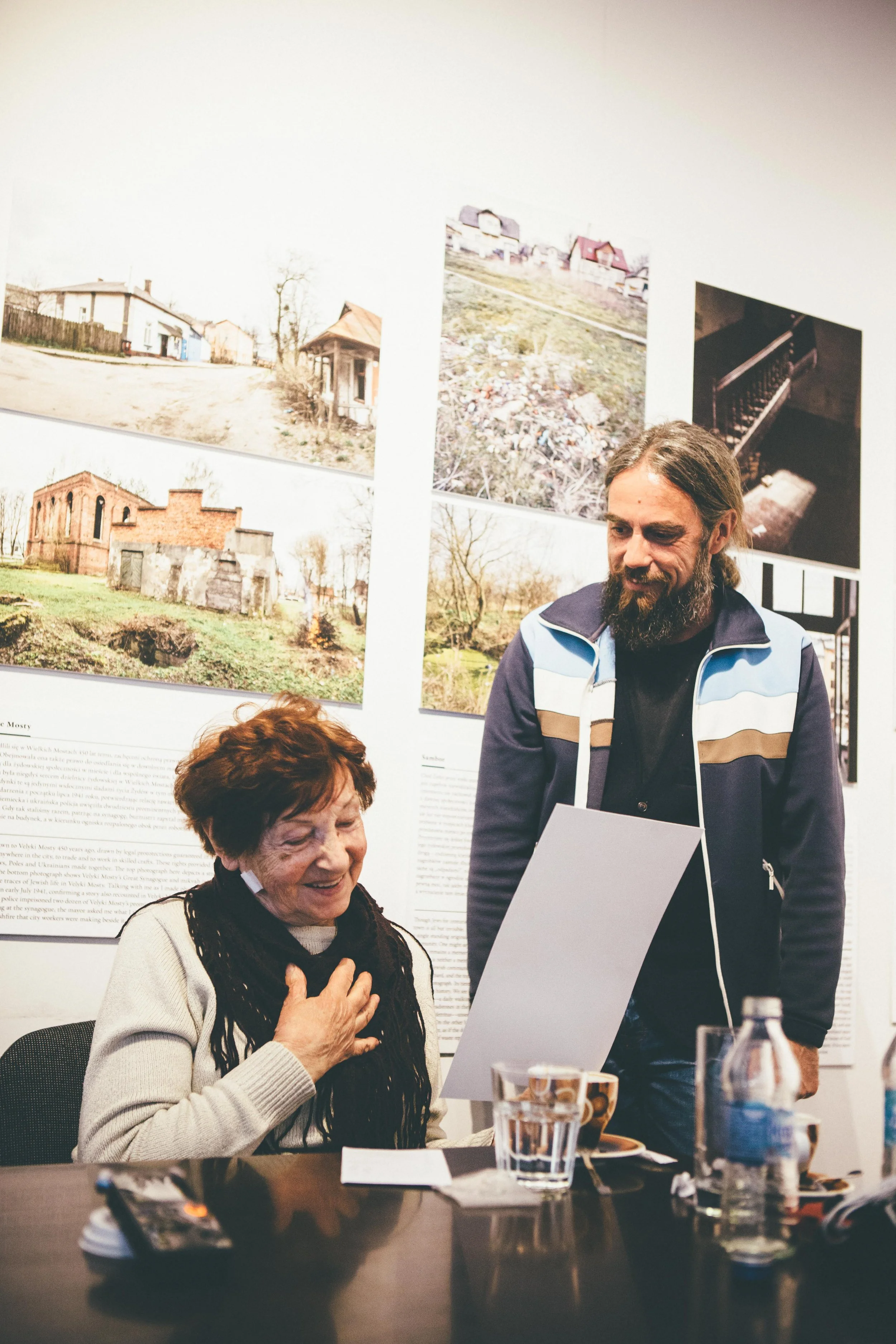
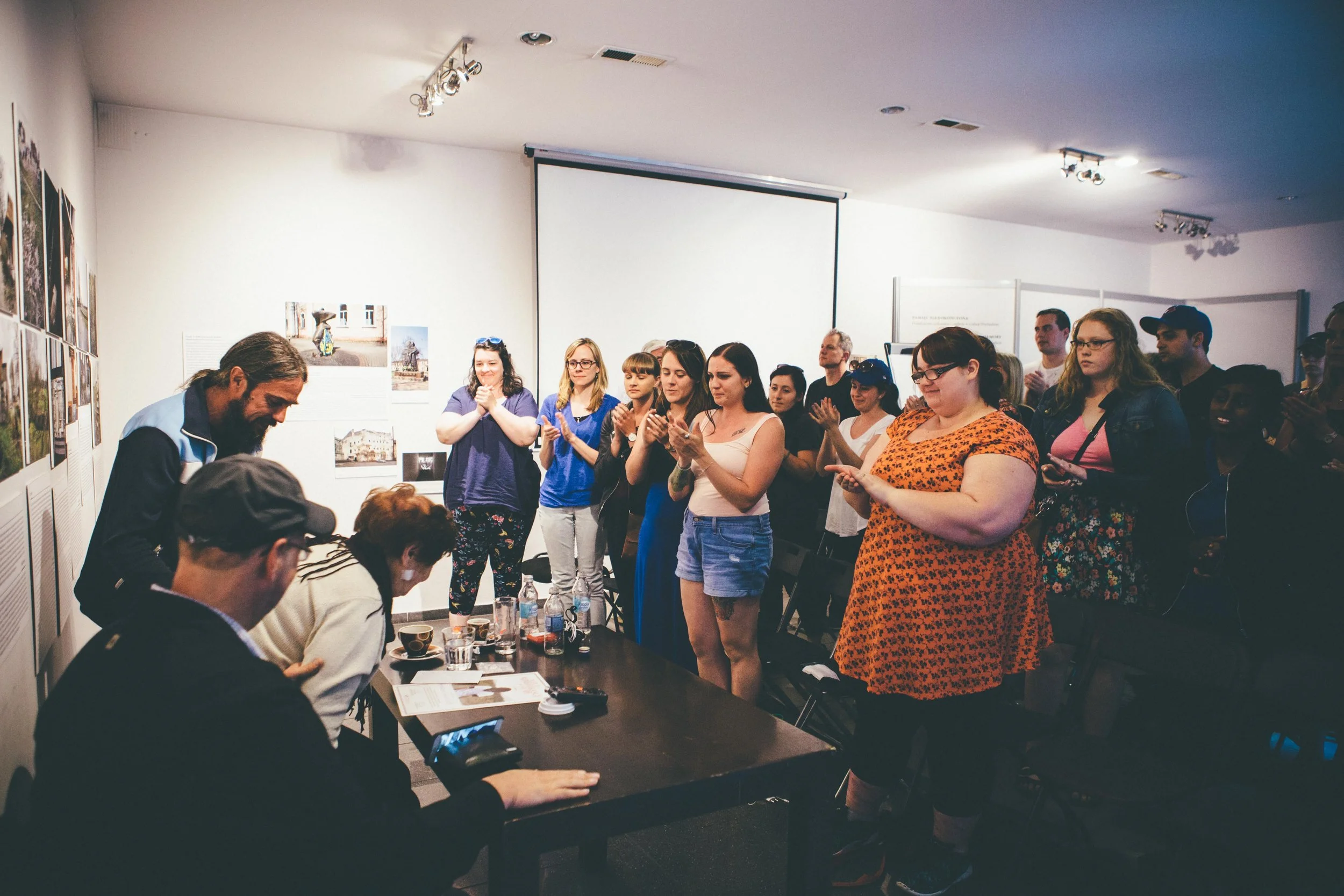
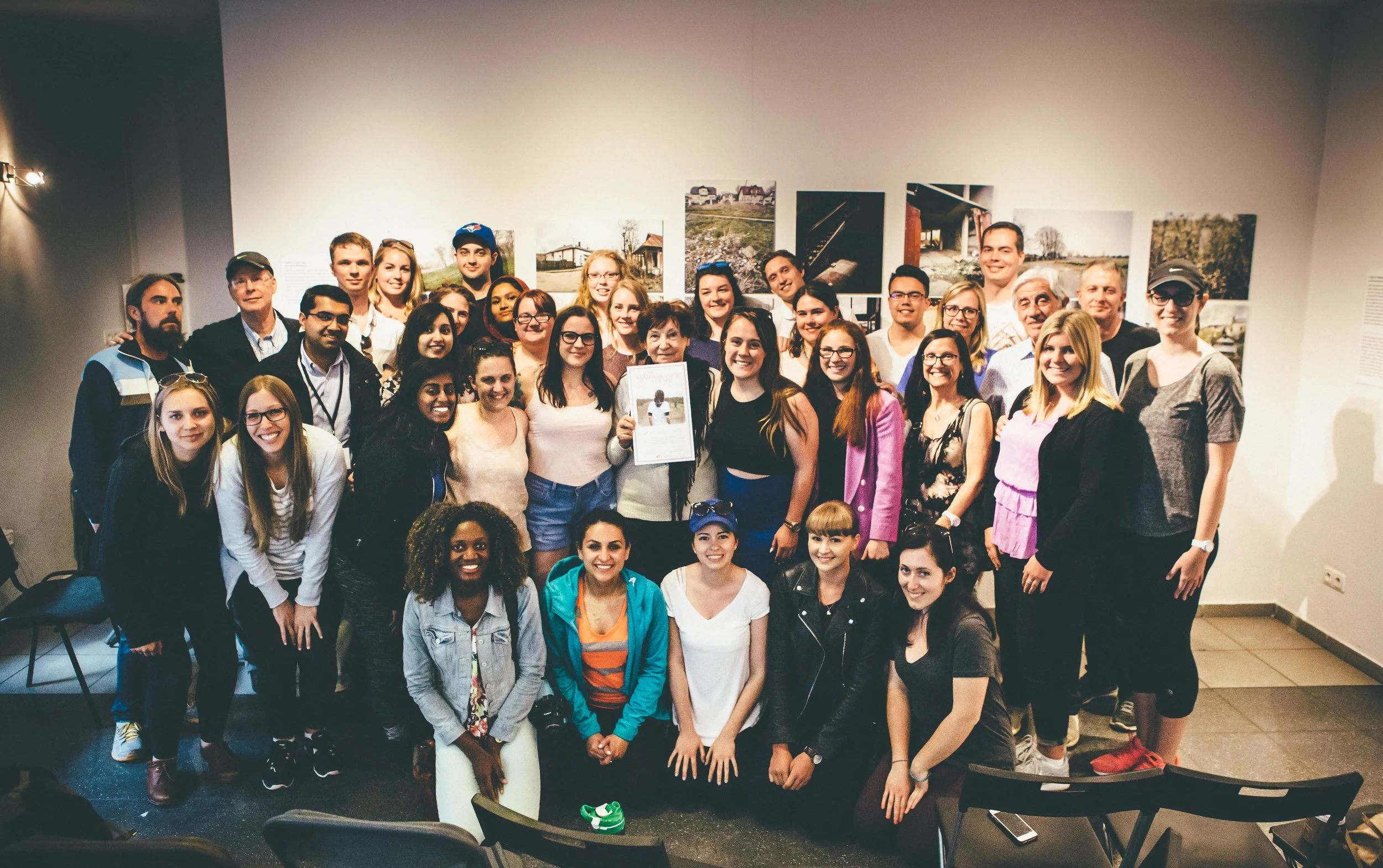
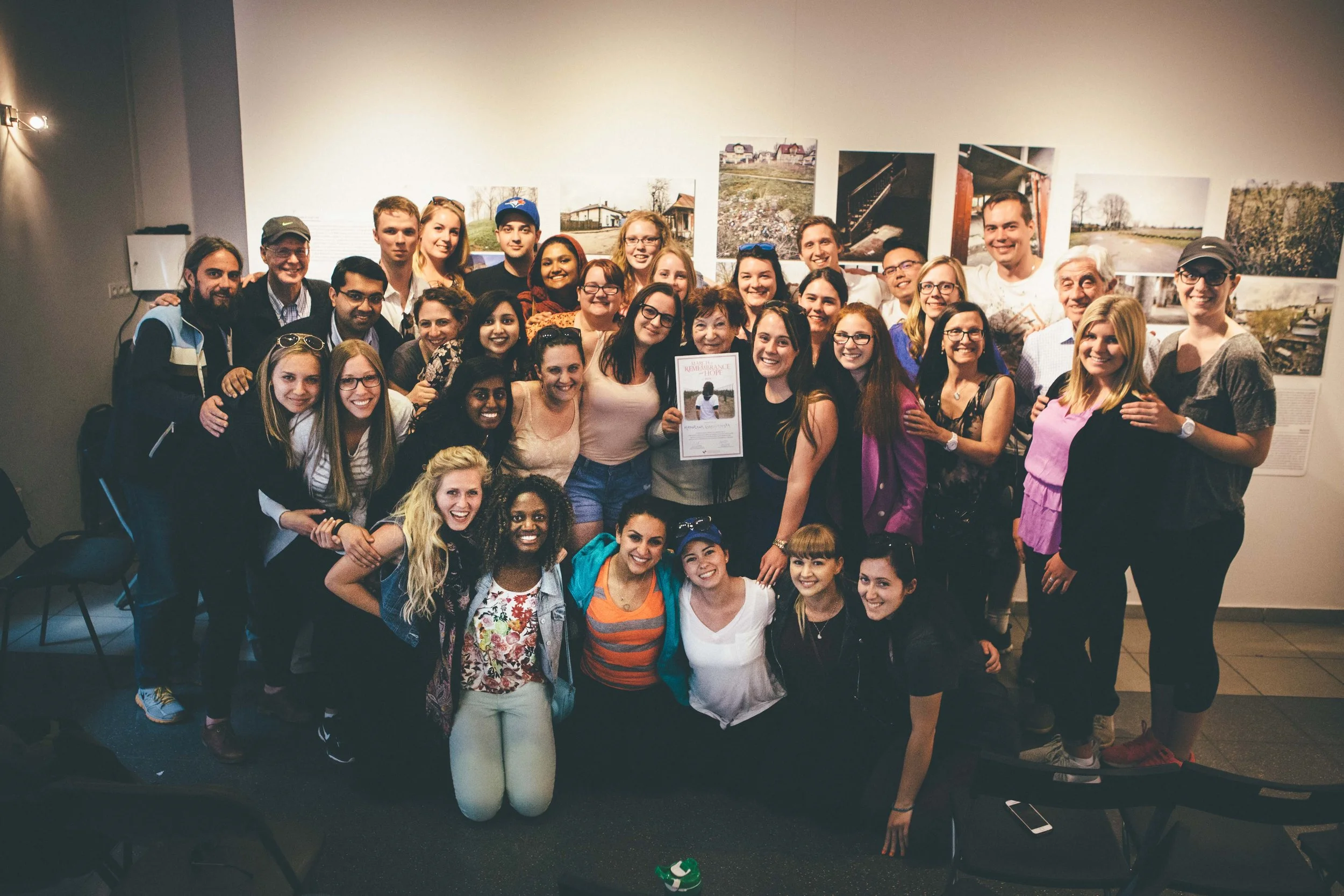
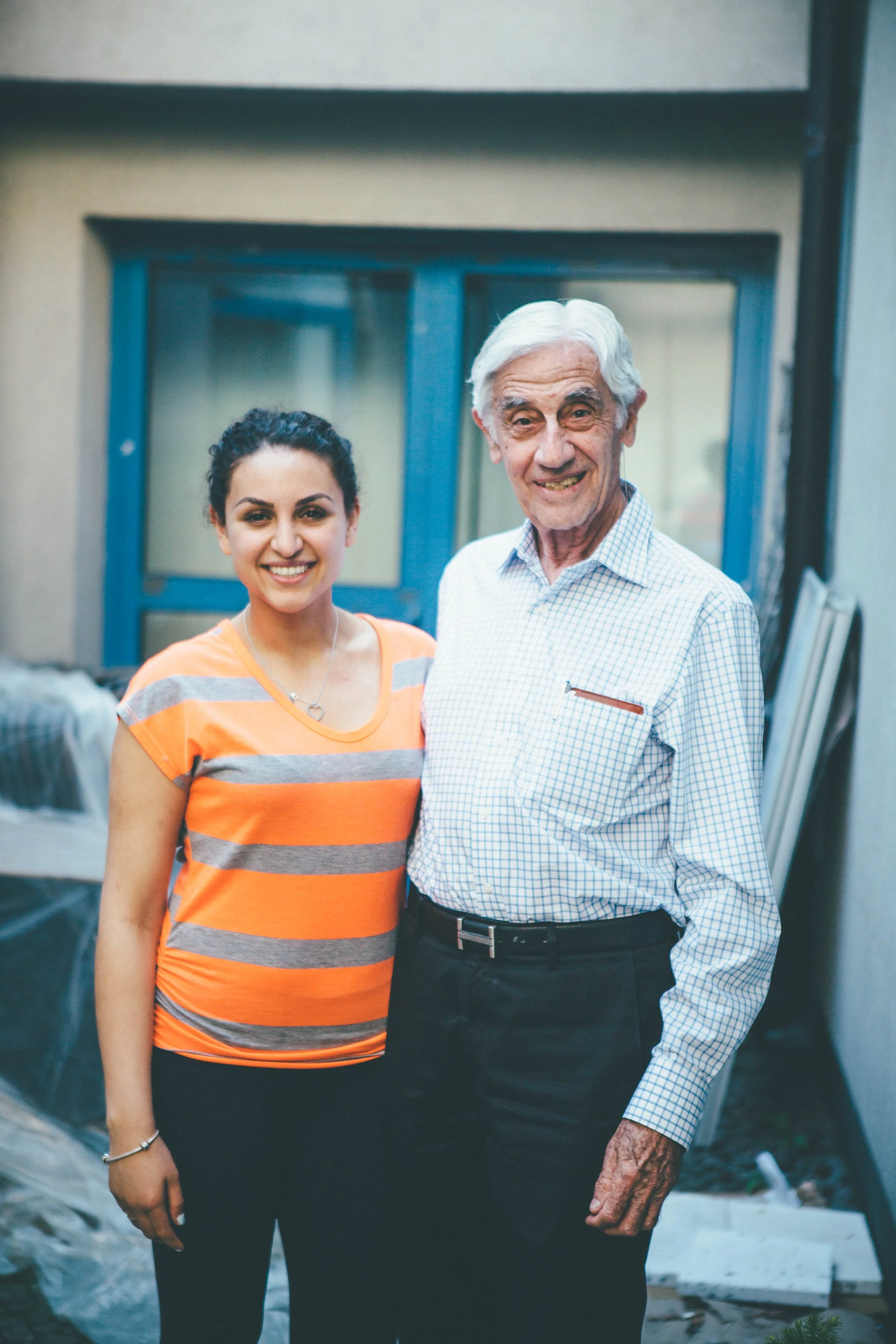
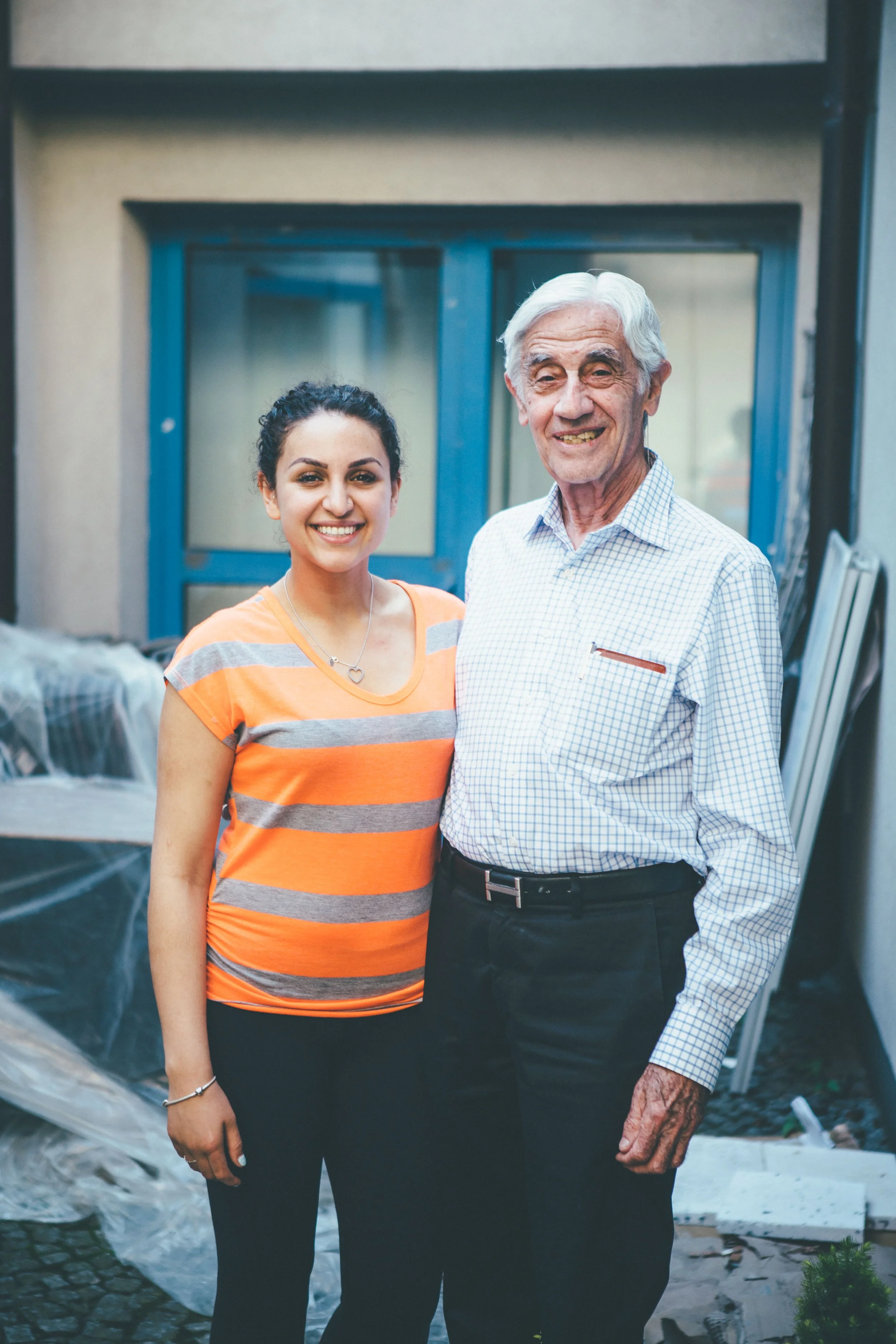
Photo Books
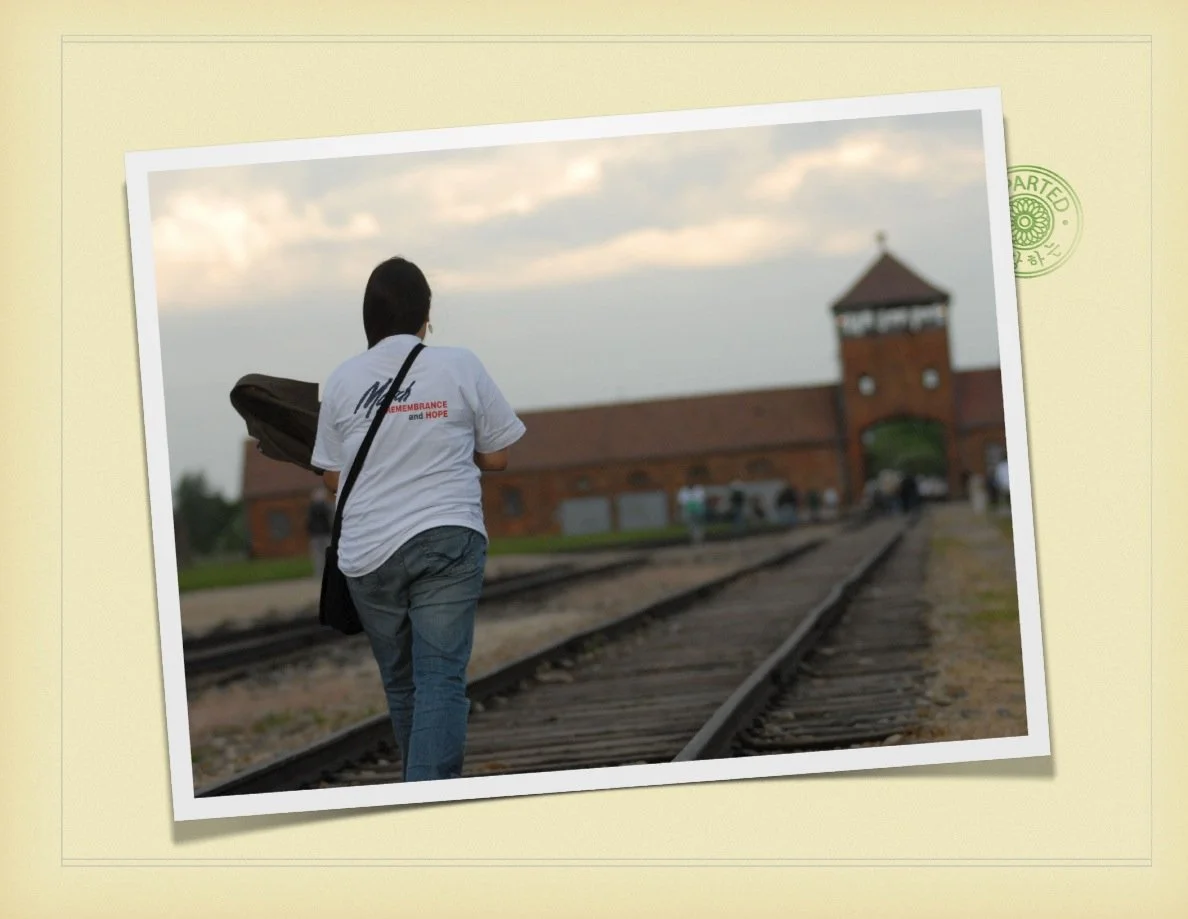
2006 Collection
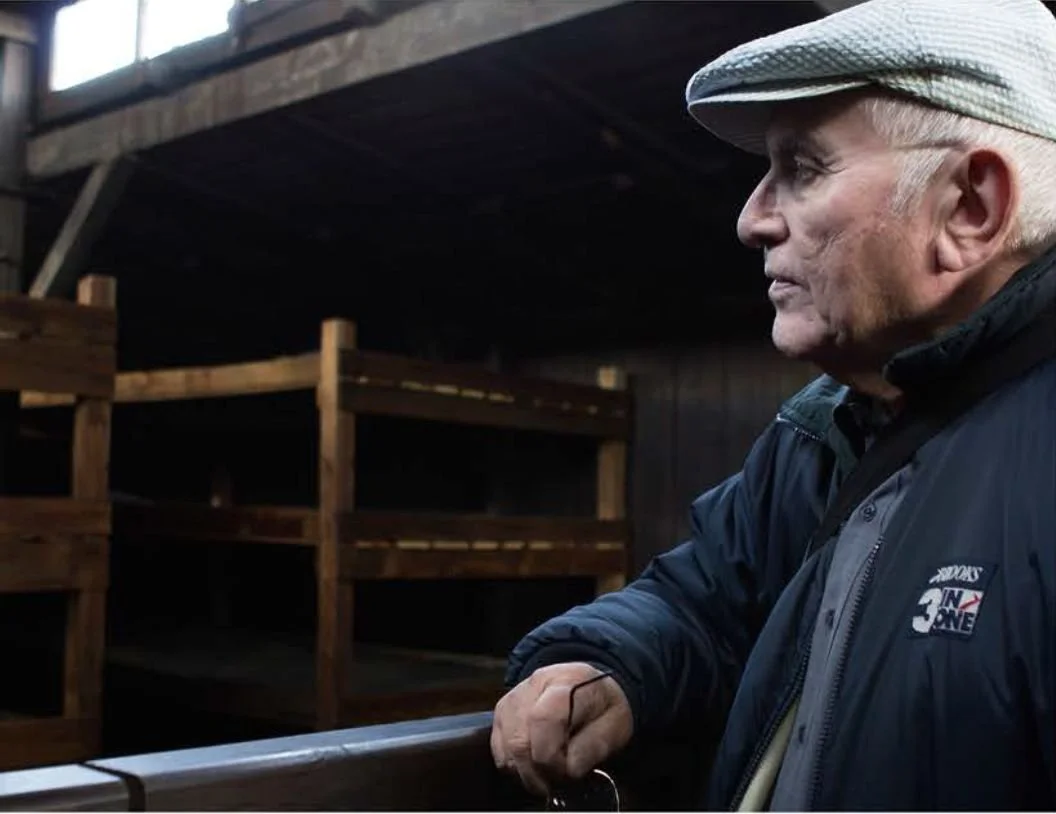
2015 Collection
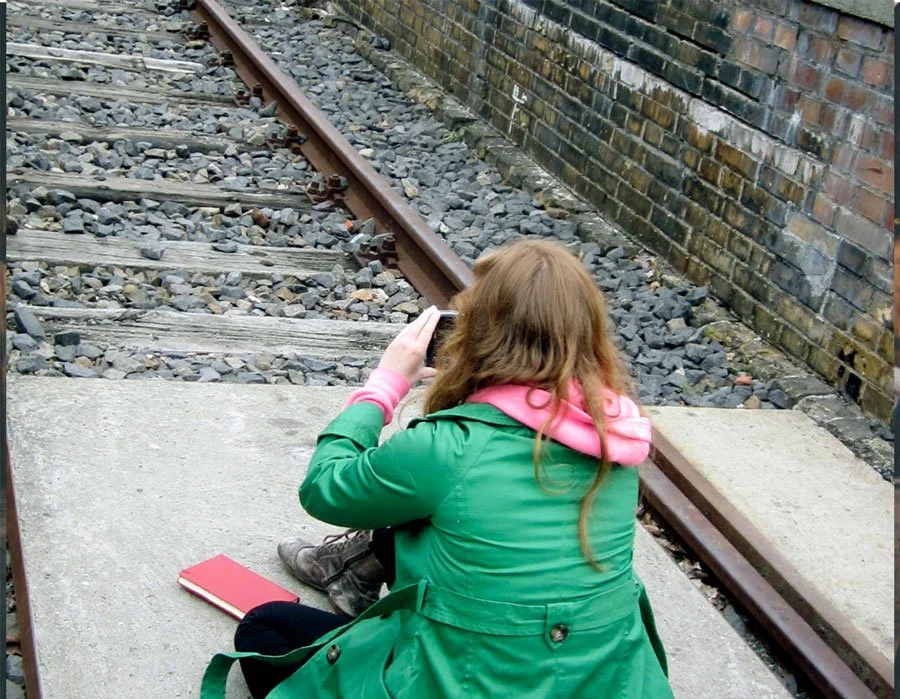
2013 Collection
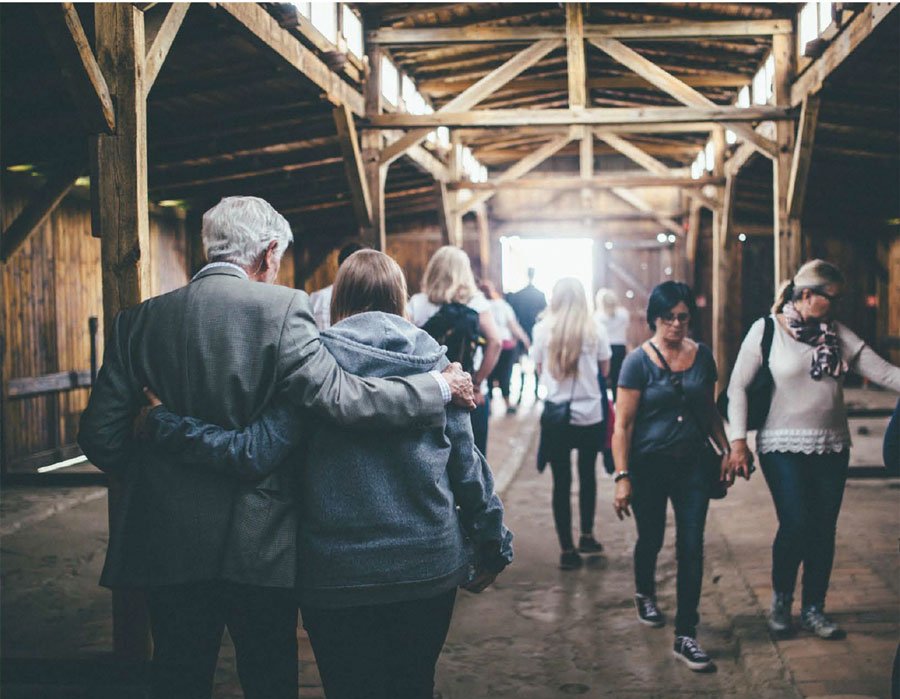
2016 Collection
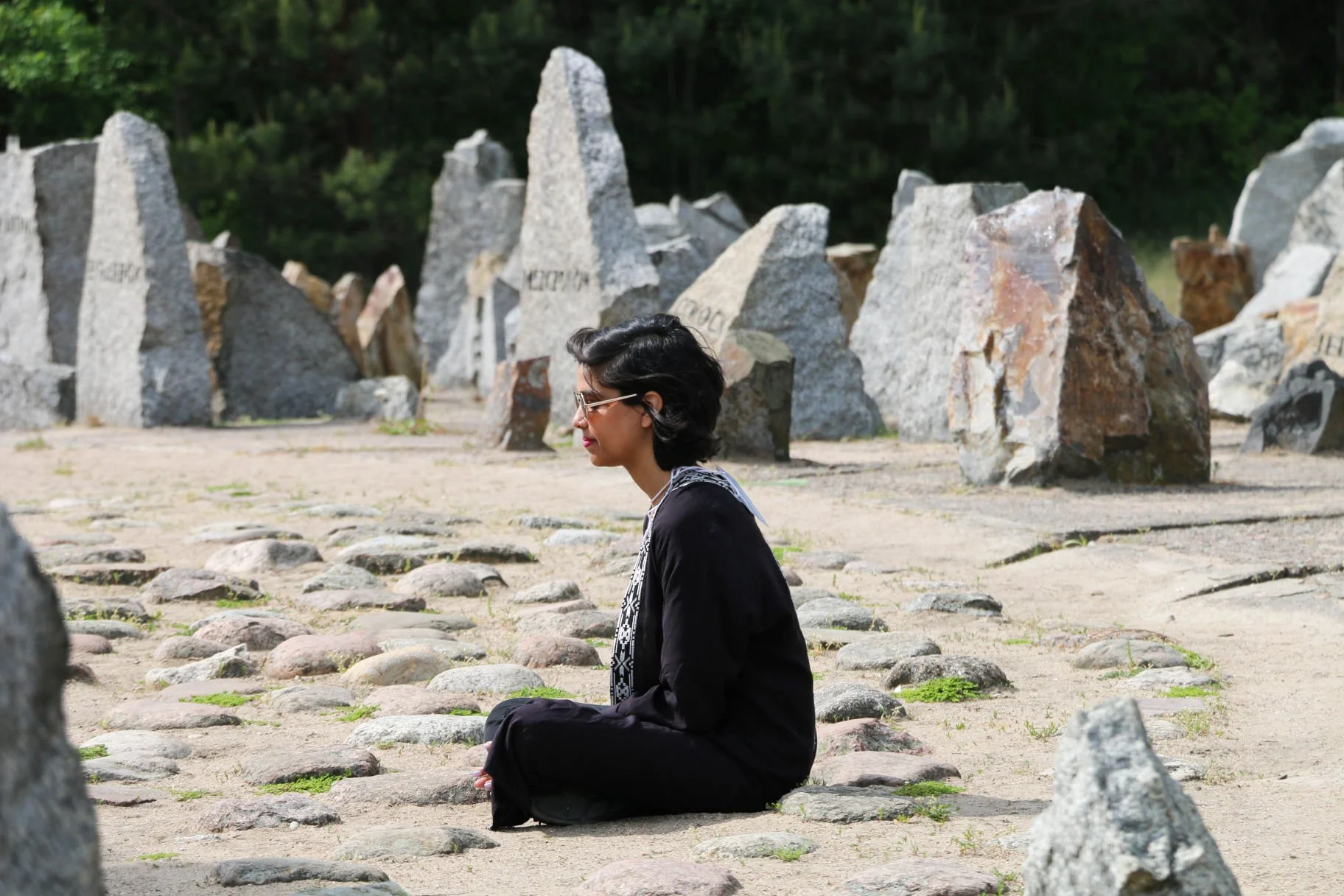
2017 Collection
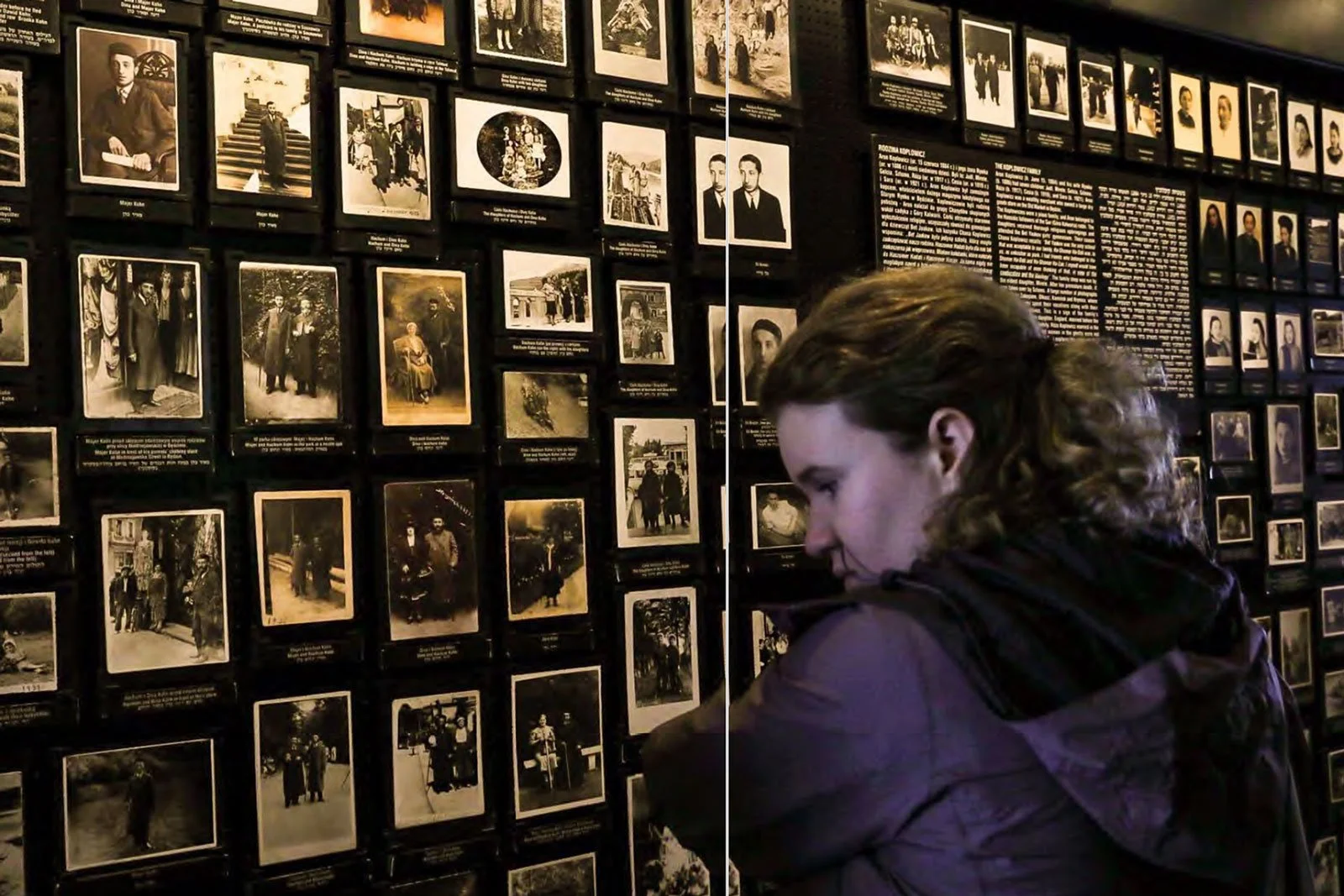
2019 Collection
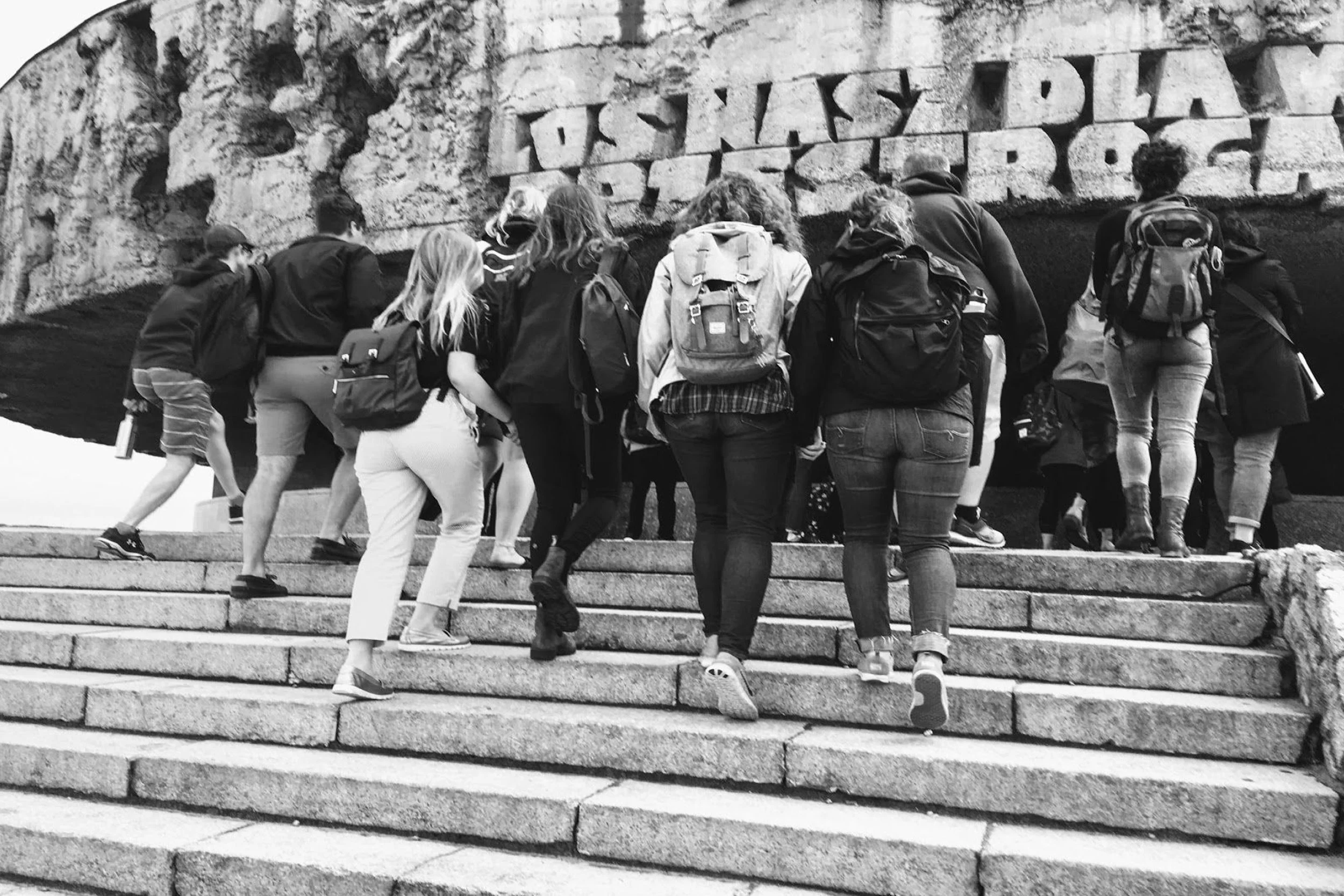
2018 Collection
Every year, MRH staff compile a diary for the students which includes background information on the Holocaust, on the sites visited, as well as other important material for them to access on the trip. Click here to see a sample diary from the 2010 journey.
View/download the 2010 notebook here.
MRH 2008: The Last Letter From Me To You: Sally Wasserman Survivor Testimony - Auschwitz-Birkenau
Standing with students in a barrack in Auschwitz-Birkenau, hidden child Sally Wasserman shares the last letter her mother wrote to her sister in Toronto before being deported to Auschwitz.
MRH 2009: 7 Days of Remembrance and Hope
This documentary follows the journey of 60 Canadian university students of diverse backgrounds on the March of Remembrance and Hope, as they visit the former Nazi German death camps in occupied Poland as well as other historic sites in the country. Directed by Fern Levitt.
MRH 2009: 7 Days of Remembrance and Hope - Trailer
Reflections on the March of Remembrance and Hope: 2010
2013 March of Remembrance and Hope
In May 2013, a delegation of young Canadian's were accompanied by Survivor, Pinchas Gutter, in an attempt to trace the evolution of the Holocaust. This emotionally draining 10 day journey would start in Germany and finish in Poland. This is their journey.
Highlights from MRH 2016
MRH 2016: Hope is Found in Those Willing to Listen
A series of testimonies and reflections primarily focused on the Holocaust. Elly Gotz, a Canadian Holocaust survivor, provides a detailed account of his experience, from the dehumanizing train transport to Dachau, the initial shock and brutality of camp life, the gruelling forced labour, and the psychological despair that led him to a point where he would have preferred death.
MRH 2018: Healing the World
This film documents the reflections of a diverse group of Canadian participants in the program. Speakers shared their initial expectations, their emotional reactions to visiting memorials and former concentration camps, and the profound impact of hearing directly from survivor, Elly Gotz. The conversation moved from historical accounts of the gradual dehumanization and bureaucratic implementation of the Holocaust to personal reflections on responsibility, empathy, and the importance of turning memory into action. The participants collectively processed their grief and concluded with a shared sense of hope and commitment to combating hatred and creating a better world.
MRH 2019: Seeing the Beauty In the Darkness
A compilation of historical explanations at former synagogues and concentration camps, deeply personal testimonies from Holocaust survivors and their descendants, and reflections from the students. This video also includes the program's mission to educate and build a better future, the intergenerational trauma of the Holocaust, the importance of individual stories over statistics, and the power of choosing hope and kindness in the face of immense hatred and suffering.
The March of Remembrance and Hope Fall 2018: Reunion
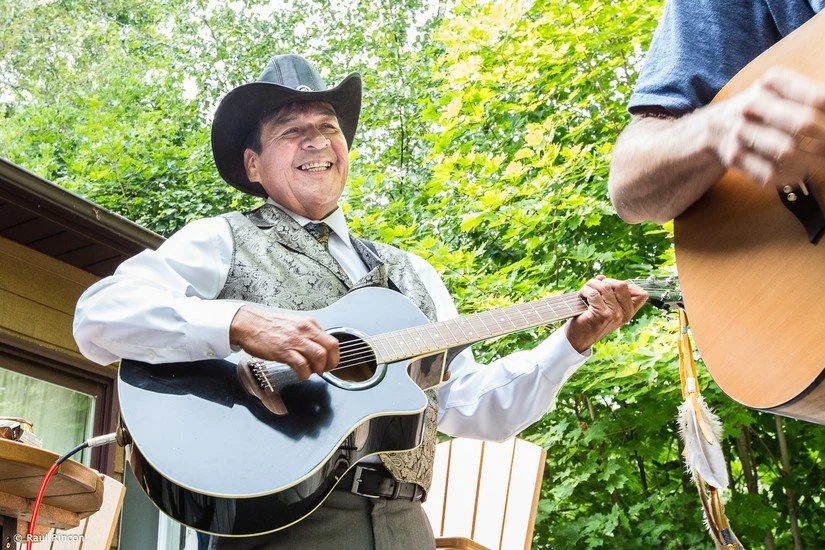
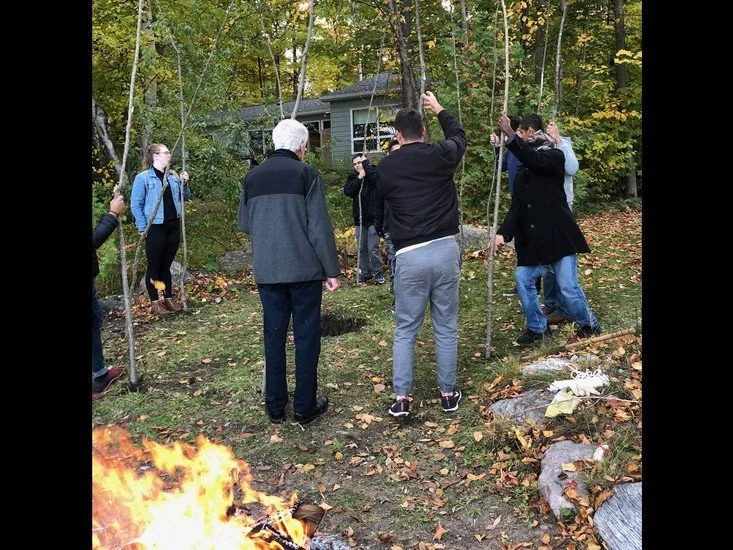
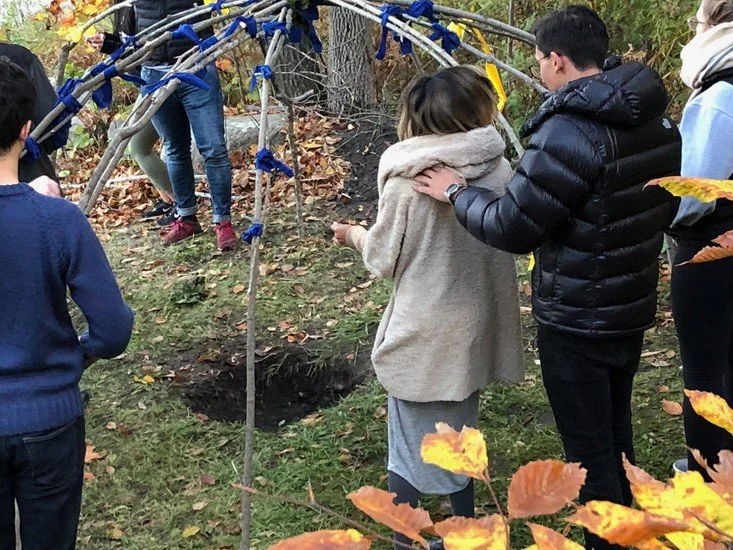
In the latter years of the program, March of Remembrance and Hope organized reunions on Christian Island, a large island in Georgian Bay, Ontario, home to the Beausoleil First Nation. A number of participants in the program were of First Nations Heritage, including those from Christian Island and the surrounding area.
During the reunion on the island, students heard from First Nations elders, teachers. and reflected on Canada’s difficult and often painful history with respect to its treatment of First Nations communities in the centuries that followed the arrival of the Europeans and first contact. They also discussed how they could use the knowledge learned from the trip to become more aware of current issues and concerns facing First Nations in Canada.
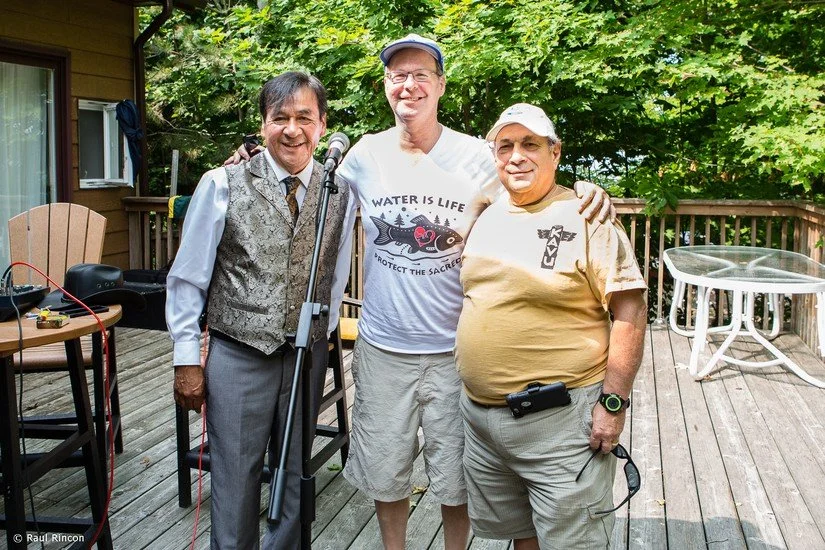
Chief Guy Monague (seen below) was among those who participated along with Holocaust survivor Elly Gotz and First Nations Healer James Carpenter/GreyCloud
Elly Gotz’s Story: The Ghetto, Dachau, and Liberation
Holocaust survivor, Elly Gotz, spoke at Western University (full video below). He began by providing historical and legal context for the Holocaust, including postwar efforts to prosecute Nazi war criminals such as Oskar Gröning, and the legal shift that allowed for prosecution based on service within the killing system rather than proof of direct murder.
He also addressed the fight against Holocaust denial, referencing the David Irving libel case and the use of forensic and architectural evidence to counter denialist claims. The core of his presentation focused on his personal survival story. Elly recounted his imprisonment in the Kovno ghetto in Lithuania, describing systematic dehumanization, the murder of thousands of Jews in mass shootings, and small acts of resistance such as preserving books and attending a trade school.
He then described his deportation to and survival within the Dachau concentration camp system, detailing brutal slave labor, starvation, disease, and the constant presence of death. He concluded by reflecting on his life after liberation—his decision to reject hatred, pursue education, build a family, and establish a successful career in Canada—and delivered a clear moral message urging the audience to reject prejudice and hatred and to consciously choose humanity, often framed through the metaphor of “feeding the good wolf.”